Artificial Intelligence App for Identifying Dog Breeds An Overview
Artificial intelligence app for identifying dog breeds represents a fascinating intersection of machine learning and canine companionship, promising to revolutionize how we interact with and understand our furry friends. This technology, fueled by advancements in image recognition and deep learning, offers the potential to quickly and accurately identify dog breeds from a simple photograph. The development and deployment of such an app necessitates a deep dive into various aspects, from the intricacies of algorithm selection and data preparation to the ethical considerations surrounding its use and the marketing strategies required for successful implementation.
The core of this application lies in its ability to analyze visual data. Convolutional Neural Networks (CNNs) are the primary driving force behind this image recognition process. These algorithms are designed to mimic the way the human visual cortex processes images, extracting relevant features like edges, textures, and shapes. The app’s success hinges on a robust dataset of labeled dog breed images, meticulously curated and preprocessed to optimize the algorithms’ performance.
This involves techniques like resizing, normalization, and data augmentation to improve accuracy and robustness against variations in image quality and lighting conditions. This document will comprehensively analyze all these points, presenting a detailed overview of the design, development, ethical considerations, and marketing strategies for an AI-powered dog breed identification application.
Exploring the foundational principles that enable an AI app to identify dog breeds effectively requires careful consideration.
The development of an AI-powered dog breed identification app necessitates a robust understanding of machine learning, image processing, and data preparation techniques. Success hinges on the careful selection of algorithms, meticulous data preprocessing, and efficient model training. The app’s ability to accurately classify breeds depends on the quality and diversity of the training data, as well as the sophistication of the underlying computational models.
This section explores the critical elements that underpin effective dog breed identification using artificial intelligence.
Machine Learning Algorithms for Image Recognition
The core of any dog breed identification app lies in its ability to analyze and interpret visual data. Several machine learning algorithms are commonly used for this purpose, each with its strengths and weaknesses. These algorithms are trained on extensive datasets of dog images, learning to extract relevant features and patterns that distinguish different breeds.
- Convolutional Neural Networks (CNNs): CNNs are the workhorse of image recognition. They excel at identifying spatial hierarchies of features in images. A CNN typically consists of convolutional layers, pooling layers, and fully connected layers. Convolutional layers apply filters to the input image, detecting local patterns such as edges, corners, and textures. Pooling layers reduce the dimensionality of the feature maps, making the model more robust to variations in image size and position.
Finally, fully connected layers perform the classification based on the learned features. The benefits of CNNs include their ability to automatically learn relevant features from raw pixel data, their high accuracy in image classification tasks, and their ability to handle complex image variations.
- Support Vector Machines (SVMs): SVMs are supervised learning models used for classification and regression. In the context of image recognition, SVMs can be used to classify images based on features extracted using other methods, such as handcrafted features or features learned by a CNN. SVMs work by finding the optimal hyperplane that separates different classes of data. The benefits of SVMs include their effectiveness in high-dimensional spaces, their robustness to overfitting, and their ability to handle non-linear data using kernel functions.
- Transfer Learning: This technique leverages pre-trained models, typically CNNs trained on large datasets like ImageNet, and fine-tunes them for the specific task of dog breed identification. This approach significantly reduces the amount of training data and computational resources required, as the pre-trained model has already learned general image features. The benefits include faster training times, improved accuracy, and the ability to work with smaller datasets.
Data Preprocessing for Image Datasets
Before training any machine learning model, the image data must undergo several preprocessing steps to optimize its quality and improve model performance. These steps ensure the data is in a suitable format for the algorithms and helps to mitigate issues like varying image sizes and orientations.
- Resizing: All images are typically resized to a consistent size. This is essential to ensure that all images have the same input dimensions for the neural network. A common size is 224×224 pixels, but the optimal size may vary depending on the model and dataset.
- Normalization: Pixel values are normalized to a specific range, usually between 0 and 1 or -1 and 1. This helps to stabilize the training process and prevent any single feature from dominating the learning. Common normalization techniques include dividing pixel values by 255 (for 0-1 range) or subtracting the mean and dividing by the standard deviation.
- Augmentation: Data augmentation techniques are used to artificially expand the training dataset and improve the model’s generalization ability. These techniques involve creating modified versions of the original images, such as rotations, flips, zooms, and color adjustments. This helps the model to become more robust to variations in image conditions and poses.
Example Python Code Snippet: CNN for Image Classification
The following Python code snippet, using the TensorFlow and Keras libraries, demonstrates a simplified CNN for image classification. This example is intended for illustrative purposes and would require further refinement for real-world application, including hyperparameter tuning, more complex network architectures, and extensive data augmentation.“`pythonimport tensorflow as tffrom tensorflow.keras.models import Sequentialfrom tensorflow.keras.layers import Conv2D, MaxPooling2D, Flatten, Dense# Define the modelmodel = Sequential([ Conv2D(32, (3, 3), activation=’relu’, input_shape=(224, 224, 3)), MaxPooling2D((2, 2)), Conv2D(64, (3, 3), activation=’relu’), MaxPooling2D((2, 2)), Flatten(), Dense(128, activation=’relu’), Dense(num_classes, activation=’softmax’) # num_classes is the number of dog breeds])# Compile the modelmodel.compile(optimizer=’adam’, loss=’categorical_crossentropy’, metrics=[‘accuracy’])# Model summarymodel.summary()# Training (example)
Assuming training_data and training_labels are preprocessed
# and ready for usemodel.fit(training_data, training_labels, epochs=10, batch_size=32)# Evaluation (example)
Assuming validation_data and validation_labels are preprocessed
loss, accuracy = model.evaluate(validation_data, validation_labels)print(f’Loss: loss, Accuracy: accuracy’)“`The code defines a basic CNN architecture. The `Conv2D` layers extract features from the images using convolutional filters. `MaxPooling2D` layers reduce the spatial dimensions of the feature maps, and the `Flatten` layer converts the 2D feature maps into a 1D vector. The `Dense` layers perform the classification. The model is then compiled, trained, and evaluated.
The example showcases the core components of a CNN and provides a starting point for developing a dog breed identification application. This example showcases the core components of a CNN and provides a starting point for developing a dog breed identification application.
Detailing the data acquisition and preparation processes is critical for the app’s accuracy.: Artificial Intelligence App For Identifying Dog Breeds
The performance of an AI-powered dog breed identification app hinges on the quality and quantity of its training data. A meticulously curated dataset, encompassing a diverse range of dog breeds, poses a significant challenge. The following sections detail the crucial processes of data acquisition and preparation, ensuring the app’s effectiveness.
Data Acquisition: Sourcing a Comprehensive Image Dataset
Obtaining a comprehensive dataset requires a multi-pronged approach, drawing from various sources to ensure breed diversity, image quality, and contextual variety. This multifaceted strategy helps to minimize biases and improve the app’s generalization capabilities.
- Online Databases: Publicly available image databases, such as those maintained by the American Kennel Club (AKC) and breed-specific organizations, serve as valuable starting points. These databases often contain high-quality images of purebred dogs, meticulously categorized by breed. Additionally, open-source datasets like those curated by researchers and academic institutions are crucial for supplementing the dataset. The use of APIs (Application Programming Interfaces) to systematically collect and download images is essential for efficient data acquisition.
- User Uploads: Integrating a mechanism for user uploads within the app itself allows for the continuous expansion of the dataset. This approach is particularly useful for capturing images of mixed-breed dogs and variations within breeds. This process needs careful management to ensure image quality and prevent data corruption.
- Collaborations with Animal Shelters: Partnering with animal shelters provides access to a unique dataset of dogs in various environments and poses. These images often include mixed breeds, which are frequently underrepresented in standard datasets. Agreements with shelters must adhere to ethical considerations, including privacy and informed consent where applicable.
Image Annotation and Labeling: Ensuring Dataset Accuracy and Consistency
Accurate and consistent annotation is critical for training the AI model effectively. This process involves labeling each image with the correct breed and, ideally, additional metadata such as age, gender, and pose. The goal is to minimize labeling errors, which can significantly degrade model performance.
- Breed Labeling: Each image must be assigned the correct breed label. This task requires expert knowledge of dog breeds and their characteristics. To maintain consistency, a standardized breed taxonomy, like the one provided by the AKC, should be adopted.
- Annotation Tools: Specialized annotation tools are employed to facilitate the labeling process. These tools enable annotators to draw bounding boxes around the dogs in the images and associate them with the corresponding breed labels.
- Quality Control: A rigorous quality control process is essential to minimize errors. This involves cross-validation, where multiple annotators label the same images, and discrepancies are resolved through consensus or expert review. Regular audits of the labeled data are also crucial to maintain accuracy.
Data Preparation Steps
The following table Artikels the key data preparation steps, providing examples for each to illustrate the process. This meticulous preparation is critical for enhancing the AI model’s accuracy and robustness.
| Step | Description | Example |
|---|---|---|
| Image Cropping | Removing irrelevant background elements to focus on the dog. | Cropping an image to remove a cluttered background, leaving only the dog visible. |
| Image Resizing | Standardizing image dimensions for consistent input to the AI model. | Resizing all images to a fixed size, such as 224×224 pixels, for efficient processing. |
| Data Augmentation | Generating additional training data by applying transformations to existing images. | Creating variations of an image through techniques such as rotations, flips, and color adjustments. This technique helps to improve the model’s robustness and generalization ability. |
| Data Cleaning | Removing or correcting erroneous or corrupted data. | Removing images with incorrect labels or low quality, such as blurry or poorly exposed images. |
Examining the user interface and user experience design is vital for app usability.
The success of an artificial intelligence app designed to identify dog breeds hinges not only on its underlying algorithms but also on the user’s interaction with the application. A well-designed user interface (UI) and a positive user experience (UX) are crucial for ensuring the app is intuitive, engaging, and accessible to a wide range of users. This section details the ideal UI design, workflow, and feedback mechanisms for such an app.
Ideal User Interface Design
The UI should prioritize simplicity, clarity, and visual appeal. The primary goal is to guide the user through the breed identification process with minimal effort. Accessibility is paramount, ensuring that the app is usable by individuals with disabilities.
- Visual Design: The app’s aesthetic should be clean and modern, employing a color palette that is both visually appealing and minimizes eye strain. High-quality imagery, such as breed-specific icons and example photos, enhances user engagement. The use of a responsive design ensures optimal viewing across various devices (smartphones, tablets, and desktops).
- Navigation: The navigation should be intuitive. A prominent “Upload Image” button should be the primary call to action on the home screen. A clear menu or navigation bar should provide access to features such as a “History” section (for viewing past identifications), an “About” section (explaining the app’s functionality and limitations), and a “Settings” section (for customizing preferences like language or display mode).
- Accessibility: Adherence to accessibility guidelines (e.g., WCAG) is critical. This includes:
- Providing alternative text for all images.
- Ensuring sufficient color contrast between text and background.
- Supporting screen reader compatibility.
- Offering adjustable font sizes.
- User Feedback: Clear and concise feedback mechanisms are essential. This includes progress indicators during image processing, error messages that are easy to understand, and a clear presentation of the identification results.
App Workflow: Image Upload to Breed Identification
The app’s workflow should be straightforward and user-friendly, from the initial image upload to the presentation of the breed identification results. This section illustrates the process step-by-step.
- Step 1: Image Upload. The user opens the app and is presented with the home screen. A large, prominent “Upload Image” button is displayed. Clicking this button opens the device’s file explorer or camera, allowing the user to select an image from their device or capture a new photo.
Screenshot Description: The home screen displays a clean interface with a centered “Upload Image” button.Above the button, a brief tagline reads, “Identify your dog’s breed.” The background is a light, neutral color.
- Step 2: Image Processing. After the image is selected, a progress indicator (e.g., a progress bar or spinning wheel) appears on the screen, indicating that the app is processing the image. The user should be informed that the app is analyzing the image.
Screenshot Description: The screen displays a progress bar filling from left to right, accompanied by the text “Analyzing Image…” The background is the same as the home screen, and the progress bar is a contrasting color. - Step 3: Breed Identification. Once the image processing is complete, the app displays the identified dog breed(s). The result is presented clearly and concisely. The primary identified breed is displayed prominently, along with a confidence score (e.g., “95% Labrador Retriever”). If multiple breeds are detected, they are listed with their corresponding confidence scores.
Screenshot Description: The screen shows the uploaded image, followed by a box containing the identified breed.The text reads: “Breed: Labrador Retriever (95%)”. Below this, there is an option to view other potential breeds.
- Step 4: Additional Information. Providing additional information about the identified breed enhances the user experience. The app could include links to external resources, such as breed-specific information pages or related articles.
Screenshot Description: The screen from the previous step is extended to include a button “Learn More About Labrador Retrievers,” which, when pressed, takes the user to an external webpage.
Strategies for User Feedback
Providing effective feedback is crucial for building user trust and ensuring a positive user experience.
- Progress Indicators: A progress bar or spinning wheel should visually represent the image processing time. This prevents the user from assuming the app has frozen. The progress indicator should be clearly labeled (e.g., “Analyzing Image…”).
- Error Messages: If an error occurs during image processing (e.g., a corrupted image or an unsupported file format), a clear and informative error message should be displayed. The message should explain the problem and suggest possible solutions.
Example: “Error: The image could not be processed.
Please try again with a different image or file format.”
- Result Presentation: The breed identification results should be presented clearly and concisely. The primary identified breed and its confidence score should be displayed prominently. If multiple breeds are detected, they should be listed with their confidence scores. Providing additional information about the identified breed, such as breed characteristics or links to external resources, further enhances the user experience.
Considering the ethical implications of using AI for dog breed identification necessitates thoughtful discussion.
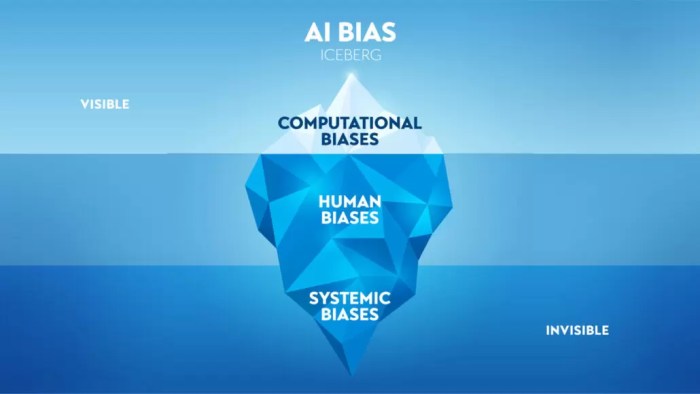
The development and deployment of AI-powered dog breed identification apps raise significant ethical considerations. While these apps offer convenience and entertainment, potential biases, data privacy concerns, and the responsible use of such technology must be carefully evaluated. Neglecting these aspects can lead to unfair outcomes, erosion of trust, and misuse of sensitive information.
Potential Biases in Breed Identification
AI algorithms are trained on datasets, and these datasets can reflect existing societal biases. This can lead to inaccuracies and unfair outcomes.* Breed-Specific Biases: Certain dog breeds, especially those less commonly photographed or represented in training datasets, might be misidentified more frequently. For example, a rare breed might be incorrectly classified as a more common breed due to the algorithm’s limited exposure to its unique characteristics.
Demographic Group Bias
If the training data predominantly features dogs from a specific geographic region or owner demographic, the app might perform less accurately on dogs from other regions or with different grooming styles. For instance, a dog with a particular grooming style popular in one region might be misclassified if that style is underrepresented in the training data.
Appearance Variations
The app’s accuracy can be affected by the range of appearances within a breed. If the dataset primarily contains show-quality dogs, the app may struggle to accurately identify dogs with less standardized features, such as those from working lines or mixed breeds.
Data Privacy and Security Concerns
User data privacy and security are paramount when users upload images or share personal information. Data breaches or misuse of information can have severe consequences.* Image Data Security: The app stores user-uploaded images, which can be vulnerable to unauthorized access or breaches. If sensitive metadata, such as location data, is embedded in the images, this can further compromise user privacy.
Personal Information Handling
The app might collect user data such as email addresses or other personal details for account creation or marketing purposes. This data must be protected against unauthorized access and used ethically.
Data Minimization
The principle of data minimization, which advocates for collecting only the necessary data, should be applied. Avoid collecting unnecessary personal information to reduce the risk of data breaches and misuse.
Mitigating Ethical Risks
To promote responsible use of the app, several steps can be taken to mitigate the identified ethical risks.* Diverse and Representative Datasets: The foundation for ethical AI lies in the data used to train it. Constructing datasets that encompass a wide range of breeds, geographic origins, grooming styles, and appearances is essential. This includes actively seeking out and incorporating images of less common breeds and dogs from diverse backgrounds.
For example, collaborating with animal shelters and rescue organizations can provide access to a broader range of dog breeds and appearances.
Bias Detection and Mitigation Techniques
Implementing robust bias detection methods is crucial. Regularly audit the algorithm’s performance across different dog breeds, demographic groups, and image types. If biases are detected, employ mitigation strategies, such as data augmentation techniques or re-weighting data points, to balance the dataset and improve fairness. For example, if the app struggles to identify a specific breed, add more images of that breed to the training dataset and adjust the algorithm’s weights to give those images more influence.
Transparency and User Control
Enhance user transparency by clearly communicating the app’s limitations and potential biases. Allow users to review and correct misclassifications and provide options for users to control their data. For example, clearly state that the app is for entertainment purposes and not a definitive diagnosis. Allow users to delete their uploaded images and personal information at any time.
Exploring the potential for integration with other technologies will broaden the app’s functionality.

The integration of an AI-powered dog breed identification app with other technologies offers significant opportunities to enhance its functionality, user experience, and overall value. This expansion goes beyond simply identifying breeds and can provide a more comprehensive and engaging experience for users. Such integrations could range from augmented reality features to seamless social media sharing, creating a more interactive and informative platform for dog owners.
Augmented Reality Integration
Augmented reality (AR) can revolutionize the user interaction with the dog breed identification app. By overlaying digital information onto the real-world view captured by a user’s smartphone camera, AR creates immersive and interactive experiences. This integration enhances the app’s ability to engage users and provide valuable information in real-time.For example, when a user points their phone at a dog, the AR feature could:
- Display a 3D model of the identified breed superimposed on the dog, allowing users to visualize the breed’s typical size and features even if the dog is a mixed breed.
- Provide dynamic information about the dog, such as estimated weight, age range, and potential health predispositions based on the identified breed(s). This could include warnings about common breed-specific health issues.
- Offer interactive educational elements. For example, the app could highlight key physical characteristics of the breed directly on the dog’s image, providing a virtual guide to breed standards.
- Facilitate virtual “try-on” features, such as displaying how different dog accessories (collars, bandanas) might look on the identified dog, enhancing the user’s shopping experience.
This AR integration could also be extended to environmental analysis. The app could analyze the dog’s surroundings and provide recommendations based on the breed’s needs. For instance, if a user points the camera at a park, the app could suggest dog-friendly areas or highlight potential hazards based on the breed’s sensitivity to heat or cold. This capability leverages the app’s understanding of breed characteristics to offer practical advice in a visually engaging manner.
The user experience is enhanced by combining breed identification with real-time information and interactive elements, making the app more informative and enjoyable.
Social Media Integration
Integrating the app with social media platforms allows users to easily share their dog breed identification results and engage with other dog owners. This feature promotes community building and increases the app’s visibility.The potential for social media integration includes:
- Direct sharing of breed identification results: Users could share the app’s analysis of their dog’s breed(s) directly to their social media profiles (e.g., Facebook, Instagram, Twitter). This sharing could include the breed’s name, a picture of the dog, and a brief description of the breed’s characteristics.
- Hashtag integration: The app could automatically generate relevant hashtags (e.g., #dogbreed, #[breedname], #[dog’sname]) to facilitate discoverability and encourage users to connect with others who own similar breeds.
- Community challenges and contests: The app could integrate with social media to host breed-specific photo contests or challenges, fostering user engagement and providing opportunities for users to showcase their dogs.
- Interactive sharing of breed information: Users could share detailed information about the breed, including its origin, temperament, and care requirements, thus educating the broader social media audience.
These integrations facilitate a network effect, as users share their results, attracting more users to the app and creating a vibrant community centered around dog breeds.
The future of the dog breed identification app could incorporate:
- Breed-specific care recommendations: Providing tailored advice on nutrition, exercise, and grooming based on the identified breed.
- Personalized training suggestions: Offering customized training guides and resources based on the breed’s behavioral tendencies.
- Integration with pet product marketplaces: Enabling users to purchase breed-specific food, toys, and other supplies directly from the app.
Addressing the technical challenges of developing a robust AI app for dog breed identification requires insight.
Developing a reliable AI app for dog breed identification presents several significant technical hurdles. These challenges stem from the inherent variability in image data, the computational demands of AI models, and the need for accurate and consistent performance across diverse real-world scenarios. Addressing these complexities requires a multifaceted approach, encompassing robust image processing techniques, optimized model architectures, and strategies for mitigating errors.
Handling Image Quality, Lighting Conditions, and Dog Poses
The success of a dog breed identification app hinges on its ability to accurately analyze images captured under a wide range of conditions. Variations in image quality, lighting, and dog poses introduce significant complexity.To address these issues, several techniques are employed:
- Image Preprocessing: This involves a series of steps designed to normalize and enhance the input images. Techniques such as:
- Resizing: Standardizing the image dimensions ensures consistent input for the AI model.
- Contrast Adjustment: Enhancing the contrast helps to distinguish features even in poorly lit images.
- Noise Reduction: Filters are applied to reduce artifacts that can interfere with feature extraction.
- Color Correction: Adjusting the color balance mitigates the effects of different lighting conditions (e.g., warm sunlight vs. cool shade).
- Data Augmentation: This technique artificially expands the training dataset by creating modified versions of existing images. For example:
- Rotation: Rotating images simulates different dog poses.
- Flipping: Horizontally flipping images doubles the data and addresses potential bias.
- Zooming and Cropping: These actions simulate variations in image framing and dog size.
- Adding Noise: Introducing controlled noise helps the model become more robust to real-world image imperfections.
- Robust Feature Extraction: The AI model must be designed to extract meaningful features from the images, regardless of the variations. Convolutional Neural Networks (CNNs) are particularly well-suited for this task because:
- They learn hierarchical representations of image features, starting with basic edges and textures and progressing to more complex shapes and patterns.
- They are inherently robust to variations in position and orientation.
Optimizing App Performance on Mobile Devices
Mobile devices present unique constraints in terms of processing power, memory, and battery life. Optimizing the app for these platforms is crucial for a positive user experience.The following strategies are implemented to achieve this:
- Model Quantization: Reducing the precision of the model’s weights and activations (e.g., from 32-bit floating-point to 8-bit integers) significantly reduces the model’s size and computational requirements. This leads to faster inference times and lower energy consumption.
- Model Pruning: Removing unnecessary connections (weights) from the neural network simplifies the model, making it smaller and faster.
- Hardware Acceleration: Leveraging the mobile device’s GPU (Graphics Processing Unit) allows for parallel processing, accelerating the computationally intensive matrix operations involved in the AI model. Frameworks like TensorFlow Lite and Core ML provide tools for optimizing models for specific hardware.
- Efficient Image Processing: Implementing optimized image processing algorithms minimizes the time required to preprocess images before they are fed to the AI model.
- Asynchronous Processing: Performing image processing and AI inference in the background prevents the user interface from freezing or becoming unresponsive.
- Caching: Caching frequently accessed data, such as preprocessed images or model outputs, reduces the need for repeated computations.
Handling and Minimizing False Positives and False Negatives
False positives (incorrectly identifying a breed) and false negatives (failing to identify a breed) are inevitable in any AI-based system. Addressing these errors is critical for building user trust and providing a reliable service.Strategies to mitigate these errors include:
- Extensive Training Data: Training the AI model on a large and diverse dataset of dog images, representing all breeds and variations, is fundamental.
- Fine-tuning and Transfer Learning: Starting with a pre-trained model (e.g., one trained on a large dataset like ImageNet) and fine-tuning it on a dog breed dataset can significantly improve accuracy and reduce the need for extensive training from scratch.
- Confidence Thresholding: The app should provide a confidence score for each breed prediction. Predictions below a certain threshold (e.g., 80% confidence) should be flagged as uncertain or rejected.
- Multi-Model Ensemble: Combining the predictions of multiple AI models can improve accuracy. For example, using an ensemble of models trained on different datasets or with different architectures.
- Feedback Mechanism: Allowing users to provide feedback on the accuracy of the predictions helps to improve the model over time. User-provided corrections can be used to retrain the model and reduce errors.
- Breed Similarity Analysis: The app can provide information on breeds that are visually similar to the identified breed. For example, if the app identifies a “Labrador Retriever” with a high confidence but the user suspects a different breed, the app could show similar breeds like “Golden Retriever” or “Flat-Coated Retriever”.
- Post-Processing Filters: Implementing rules or filters to refine predictions can help. For instance, if the model predicts a rare breed, a post-processing step could check if the dog’s physical characteristics match those of the breed based on other visual features.
Evaluating the accuracy and reliability of the app’s breed identification performance is paramount.
Assessing the performance of a dog breed identification app requires a rigorous evaluation process to ensure its accuracy and reliability. This involves employing specific metrics to quantify the app’s performance, conducting user testing to simulate real-world scenarios, and establishing a robust system for continuous improvement and updates. This ensures the app’s ongoing effectiveness.
Metrics for Accuracy Assessment
The accuracy of the dog breed identification app is quantified using several key metrics. These metrics provide a comprehensive understanding of the app’s ability to correctly identify dog breeds and are calculated as follows.The core metrics used include:
- Precision: Precision measures the proportion of correctly identified breeds among all the breeds the app predicted. It answers the question: “Of all the dogs the app identified as a specific breed, how many were actually that breed?”
- Recall: Recall measures the proportion of actual breeds correctly identified by the app. It answers the question: “Of all the dogs that were actually a specific breed, how many did the app correctly identify?”
- F1-score: The F1-score provides a single metric that balances precision and recall, offering a more comprehensive assessment. It’s the harmonic mean of precision and recall.
Precision = (True Positives) / (True Positives + False Positives)
For example, if the app identifies 10 dogs as Golden Retrievers, and 8 of them are actually Golden Retrievers, the precision for Golden Retrievers is 80%.
Recall = (True Positives) / (True Positives + False Negatives)
If there are 10 Golden Retrievers in the test set, and the app identifies 7 of them correctly, the recall for Golden Retrievers is 70%.
F1-score = 2
– (Precision
– Recall) / (Precision + Recall)
A high F1-score indicates a good balance between precision and recall, suggesting the app is both accurate and comprehensive in its identifications.
These metrics are calculated using a confusion matrix, a table that summarizes the performance of a classification algorithm. The matrix displays the counts of true positives (correctly identified breeds), false positives (incorrectly identified breeds), false negatives (breeds missed), and true negatives (correctly rejected breeds). The metrics are then derived from these counts.
User Testing Procedures
User testing is crucial for evaluating the app’s performance in real-world scenarios. It involves gathering feedback from users to assess usability and identify areas for improvement.The procedures for conducting user testing involve:
- Participant Selection: Recruit a diverse group of users, including individuals with varying levels of experience with dog breeds. This ensures the app is tested across a broad range of user profiles.
- Test Environment: Create a testing environment that simulates real-world conditions. This could involve using photos taken in different lighting conditions, with varying levels of image quality, and dogs in various poses.
- Task Design: Design specific tasks for users to perform, such as taking photos of dogs using the app, uploading existing photos, and evaluating the accuracy of the identifications.
- Data Collection: Collect data through user feedback, including ratings of the app’s accuracy, ease of use, and overall satisfaction. User feedback can be gathered through questionnaires, interviews, and observation.
- Analysis of Feedback: Analyze the collected data to identify common issues and areas for improvement. This may involve statistical analysis of the quantitative data and thematic analysis of the qualitative feedback.
An example of user testing could involve asking users to photograph their own dogs and rate the accuracy of the app’s identification. User feedback might reveal that the app struggles with identifying certain breeds, particularly those with similar appearances or mixed breeds. This feedback is invaluable for refining the app’s algorithms and improving its performance.
Updating and Improving Identification Capabilities
The app must be designed to accommodate new dog breeds and improve its identification capabilities continuously.The process of updating the app involves:
- Data Acquisition: Gathering new images of dog breeds that are not yet included in the app’s dataset or that need improved representation. This includes images of different ages, coat colors, and poses of the same breed.
- Model Retraining: Retraining the AI model with the updated dataset. This involves feeding the new images into the model and allowing it to learn and adjust its parameters to improve its accuracy.
- Performance Evaluation: Evaluating the performance of the updated model using the same metrics (precision, recall, F1-score) as the original model. This ensures that the updates have improved the app’s performance.
- Version Control: Implementing a version control system to manage updates and ensure that the app is always running the latest and most accurate version of the model.
An example of improvement is the continuous addition of images of a specific breed. For example, the app may initially have a limited dataset for Cavalier King Charles Spaniels. After gathering and incorporating a more extensive dataset, the app’s accuracy in identifying this breed is expected to improve significantly. This iterative process of data acquisition, model retraining, and performance evaluation is crucial for maintaining the app’s accuracy and reliability over time.
Examining the marketing and promotion strategies for an artificial intelligence app requires careful planning.

Effective marketing is crucial for the successful launch and adoption of any mobile application, and particularly for an AI-powered dog breed identification app. A well-defined marketing plan ensures that the app reaches its target audience, effectively communicates its value proposition, and ultimately drives user acquisition and engagement. This plan should encompass a multi-channel approach, leveraging various platforms and strategies to maximize reach and impact.
Target Audience Definition and Segmentation
Identifying and segmenting the target audience is fundamental to the marketing strategy. This allows for tailored messaging and channel selection.
- Dog Owners: This is the primary target audience, encompassing all individuals who own dogs, regardless of breed or experience level. Segmentation within this group can include:
- New Dog Owners: Individuals who have recently acquired a dog and are seeking information about their breed, care, and training.
- Experienced Dog Owners: Those with existing dog ownership experience, potentially interested in confirming breed identification, learning about their dog’s ancestry, or discovering new breeds.
- Breed Enthusiasts: Individuals deeply passionate about specific dog breeds, who may use the app to learn more about breed characteristics and lineage.
- Pet Professionals: Veterinarians, dog trainers, breeders, and groomers can utilize the app as a supplementary tool for their services.
- Animal Shelters and Rescue Organizations: The app can assist in identifying breeds of mixed-breed dogs, aiding in adoption efforts and providing valuable information to potential adopters.
Marketing Channels and Strategies
A diverse marketing strategy is essential to reach the segmented target audience.
- Social Media Marketing: This is a crucial channel for reaching a wide audience and building brand awareness.
- Platform Selection: Focus on platforms like Instagram, Facebook, TikTok, and YouTube, where visual content performs well.
- Content Strategy: Develop engaging content tailored to each platform. Examples include:
- Instagram: High-quality images and videos of dogs of various breeds, showcasing the app’s identification capabilities. User-generated content featuring successful breed identifications.
- Facebook: Informative posts about breed characteristics, dog care tips, and app features. Run targeted ad campaigns to reach specific demographics and interests.
- TikTok: Short, entertaining videos demonstrating the app’s functionality, highlighting humorous breed misidentifications, and participating in dog-related trends.
- YouTube: Longer-form videos including app tutorials, interviews with dog experts, and breed-specific educational content.
- Search Engine Optimization (): Optimize the app’s listing on app stores (App Store Optimization – ASO) and the app’s website (if applicable) to improve search rankings. This involves:
- research to identify relevant search terms (e.g., “dog breed identifier,” “identify dog breed by photo”).
- Optimizing app store descriptions, titles, and s.
- Building backlinks to the app’s website.
- Public Relations and Influencer Marketing:
- Reach out to pet bloggers, influencers, and media outlets to secure reviews, features, and mentions.
- Send press releases announcing app updates and new features.
- Paid Advertising: Utilize paid advertising on social media platforms and search engines to target specific demographics and interests.
- Content Marketing: Create valuable content, such as blog posts, articles, and infographics, to attract and engage potential users.
Messaging Strategies
Crafting clear and compelling messaging is crucial for effectively communicating the app’s value proposition.
- Highlight the App’s Core Functionality: Clearly communicate the app’s ability to accurately and quickly identify dog breeds using image recognition technology.
- Emphasize Accuracy and Reliability: Build trust by showcasing the app’s high accuracy rate and the underlying technology.
- Focus on User Benefits: Highlight the practical benefits of using the app, such as:
- Identifying a dog’s breed to learn about its temperament, care needs, and potential health issues.
- Helping owners learn more about their dog’s ancestry.
- Assisting with responsible dog ownership.
- Use Emotional Appeal: Connect with dog lovers by using heartwarming imagery and storytelling.
- Call to Action: Encourage users to download the app with a clear and concise call to action (e.g., “Download Now,” “Try it Free”).
Content Examples for Social Media Promotion
These examples illustrate the types of content that can be used to promote the app on social media.
- Engaging Videos:
- “App in Action” Videos: Short videos demonstrating the app’s functionality. The video shows a user taking a picture of a dog with their smartphone, the app instantly analyzes the image, and then displays the breed identification results with a percentage confidence level. The video then transitions to provide further information on the identified breed, including temperament, care, and common health concerns.
- Breed Featurettes: Short videos showcasing different dog breeds, their characteristics, and fun facts. The video highlights a Golden Retriever. The video starts with a shot of a Golden Retriever happily playing fetch in a park. The app’s user interface is briefly shown, confirming the breed identification. Voiceover then discusses the breed’s friendly nature, intelligence, and popularity as family pets.
The video ends with a call to action encouraging viewers to identify their own dogs.
- Informative Infographics:
- “Top 10 Most Popular Dog Breeds” Infographic: The infographic presents the top 10 most popular dog breeds worldwide. Each breed is represented with a high-quality image and a brief description of its key characteristics. The infographic includes a call to action to download the app and identify your own dog’s breed.
- “Dog Breed Health Risks” Infographic: The infographic illustrates common health risks associated with different dog breeds. The infographic visually presents the risks associated with various dog breeds. Each section is accompanied by a call to action, reminding users of the app’s features to understand their dog’s breed.
- Interactive Quizzes:
- “Can You Guess the Breed?” Quiz: A quiz where users are presented with images of dogs and asked to guess their breed. The quiz includes a leaderboard and social sharing options.
- “What Dog Breed Are You?” Quiz: A personality quiz that matches users with a dog breed based on their answers.
Visual Concept for Promotional Campaign
The visual concept should be appealing, user-friendly, and consistent across all marketing materials.
- Color Palette: Utilize a warm and inviting color palette, incorporating blues, greens, and oranges. The background is a soft, light blue, evoking a sense of trust and reliability. Accents of green are used to highlight key elements, such as the app’s “identify” button. Orange is used sparingly to draw attention to important information, such as the breed identification percentage.
- Imagery: Feature high-quality images of dogs of various breeds, showcasing their unique characteristics and personalities. The images include a Golden Retriever playing in a field, a playful Border Collie, a majestic German Shepherd, and a fluffy Pomeranian. The images are bright, vibrant, and professionally shot.
- App User Interface (UI): Display screenshots of the app’s user interface, highlighting its ease of use and functionality. The UI is clean, intuitive, and visually appealing. The screenshots display the camera view, the breed identification results, and the breed information pages. The interface is simple, with clear icons and easy-to-read text.
- Typography: Use a clear and readable font for all text elements. The primary font is a clean sans-serif font for the app name and headlines. A secondary font is used for body text, providing contrast and visual interest.
- Overall Design: The overall design should be modern, clean, and user-friendly. The marketing materials should be consistent in style and branding. The marketing materials feature the app’s logo prominently. The logo is a stylized image of a dog’s head, with a clean and modern design.
Exploring the potential future advancements in this field suggests continued innovation.
The development of an AI-powered dog breed identification app represents a dynamic field ripe for continuous improvement. Future iterations of such an application hold the promise of not only enhanced breed recognition but also a suite of features designed to enrich the user experience and promote responsible pet ownership. This section delves into potential advancements, including the integration of additional features, applications for promoting animal welfare, and the incorporation of cutting-edge AI technologies.
Integration of Additional Features, Artificial intelligence app for identifying dog breeds
Expanding the functionality of the app beyond basic breed identification can significantly enhance its value. This involves incorporating several key features that cater to the comprehensive needs of dog owners.
- Breed-Specific Health Information: The app could provide users with detailed health information relevant to the identified breed. This includes common genetic predispositions, potential health issues, and recommended preventative care. For instance, if the app identifies a Labrador Retriever, it would display information regarding hip dysplasia, elbow dysplasia, and obesity risks, along with guidelines for maintaining a healthy weight. This data could be sourced from veterinary databases and peer-reviewed scientific publications.
- Training Recommendations: Based on the identified breed, the app could offer personalized training recommendations. These recommendations could encompass training styles, common behavioral traits, and resources for addressing breed-specific challenges. For example, for a Border Collie, the app might suggest agility training or herding games to channel their high energy levels. This feature could be powered by algorithms that analyze breed characteristics and training best practices.
- Integration with Pet Supply Marketplaces: The app could integrate with online pet supply marketplaces. After identifying a breed, users could be directed to relevant products, such as specific food brands, grooming tools, or toys designed for that breed. This integration would provide a convenient and targeted shopping experience for users, potentially generating revenue through affiliate marketing or direct sales. This would require partnerships with pet supply retailers.
Applications for Promoting Animal Welfare
The app can be a powerful tool for promoting responsible dog ownership and improving animal welfare. This can be achieved through strategic integrations and feature implementations.
- Connecting Users with Local Animal Shelters: The app could integrate a feature that connects users with local animal shelters and rescue organizations. If the app identifies a mixed-breed dog, it could suggest adoption options in the user’s geographic area, promoting the adoption of shelter animals. This could be achieved through an API integration with shelter databases.
- Promoting Responsible Breeding Practices: The app could provide educational resources about responsible breeding practices. This could include information on genetic testing, health certifications, and ethical considerations for breeding dogs. This information could be sourced from reputable veterinary organizations and breed clubs.
- Facilitating Pet Loss and Bereavement Support: The app could incorporate resources for pet owners experiencing the loss of a pet. This could include links to grief counseling services, support groups, and memorial options. This feature acknowledges the emotional toll of pet ownership and provides valuable support during difficult times.
Advancements in AI Technology
Continued advancements in AI technology can significantly improve the accuracy, speed, and overall user experience of the dog breed identification app.
- Enhanced Image Recognition Algorithms: The app can leverage advancements in deep learning, particularly in Convolutional Neural Networks (CNNs). Improvements in CNN architectures, such as the implementation of more complex layers and attention mechanisms, can lead to increased accuracy in identifying dog breeds, even with variations in image quality, lighting, and pose.
- Real-Time Processing: Advancements in edge computing and mobile processing power can enable real-time breed identification. This means users could get instant results as they capture an image with their smartphone, enhancing the app’s user experience. This could involve optimizing the AI model for mobile devices.
- Multimodal Data Integration: Integrating multimodal data, such as audio analysis of barking sounds or analysis of textual descriptions provided by the user, can improve breed identification accuracy. For example, combining image analysis with an analysis of a dog’s bark could provide a more comprehensive identification process.
- Personalized Breed Recommendations: The app could incorporate a recommendation engine that suggests breeds based on user-provided preferences, lifestyle, and living conditions. This personalized approach could involve gathering data about user preferences and using machine learning models to provide tailored breed recommendations.
Last Point
In conclusion, the artificial intelligence app for identifying dog breeds holds significant promise for transforming how we interact with canines. By leveraging cutting-edge machine learning techniques, particularly CNNs, and carefully addressing ethical concerns, developers can create a powerful and user-friendly tool. This application’s future extends beyond simple breed identification, encompassing integrations with augmented reality, social media, and even health and care recommendations.
Ultimately, the successful deployment of this technology requires a holistic approach, encompassing technical expertise, ethical considerations, and a keen understanding of the target audience, paving the way for a more informed and enriched experience for dog owners and enthusiasts alike.
Question Bank
How accurate are these dog breed identification apps?
Accuracy varies depending on the app, the quality of the images, and the complexity of the breeds. However, most apps boast accuracy rates ranging from 70% to 95% under optimal conditions. Factors such as image clarity, breed rarity, and image angle can influence results.
What kind of data is used to train these apps?
The apps are trained on massive datasets of dog images, meticulously labeled with breed information. These datasets often include images from various sources, including online databases, user uploads, and collaborations with animal shelters and breeders.
Are there any privacy concerns when using these apps?
Yes, there are potential privacy concerns, especially if the app requires users to upload photos or provide personal information. Users should be aware of the app’s data privacy policies and ensure their data is handled securely.
Can these apps identify mixed-breed dogs?
Yes, many apps are designed to identify mixed-breed dogs by analyzing the features of multiple breeds. However, the accuracy may be lower compared to identifying purebred dogs.
How can I improve the accuracy of the app’s results?
To improve accuracy, ensure the image is clear, well-lit, and the dog is in focus. Provide a full-body view of the dog, and avoid obscured features. Also, consider the angle of the image, as side profiles often yield better results.