Artificial Intelligence App for Heart Rate Monitoring A Comprehensive Overview
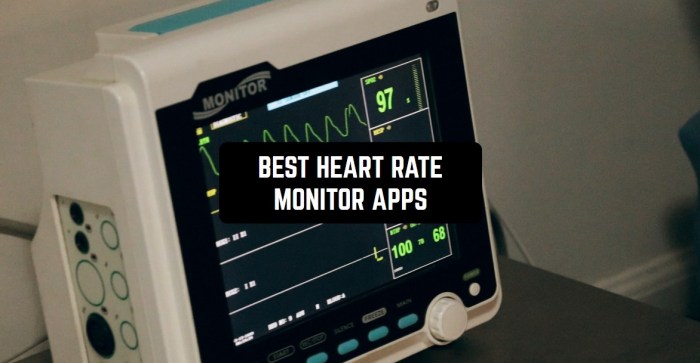
Artificial intelligence app for monitoring heart rate represents a significant advancement in the realm of personalized healthcare. This technology leverages sophisticated algorithms and machine learning models to analyze heart rate data, offering users real-time insights into their cardiovascular health. From early detection of potential cardiac issues to providing actionable recommendations, these apps are transforming the way individuals monitor and manage their well-being.
This overview will dissect the core functionalities, algorithms, user experience, and regulatory considerations that define this innovative technology.
This analysis will also delve into the integration capabilities with other health platforms, data security measures, and the potential for future advancements in AI-driven heart health monitoring. Furthermore, we will explore the commercial viability, including business models, marketing strategies, and the long-term vision for the artificial intelligence app for heart rate monitoring, ensuring a thorough understanding of its current and future impact on healthcare.
Exploring the core functionalities that an artificial intelligence application offers for heart rate monitoring is essential for understanding its capabilities.
The integration of artificial intelligence (AI) into heart rate monitoring systems represents a significant advancement in cardiovascular health management. These applications go beyond simple heart rate tracking, leveraging sophisticated algorithms to provide real-time analysis, predictive capabilities, and proactive alerts. This enables individuals and healthcare professionals to gain deeper insights into cardiac health and intervene promptly when necessary.
Real-time Tracking and Data Visualization
The foundation of an AI-powered heart rate monitoring system is its ability to continuously track and analyze heart rate data. This real-time monitoring is crucial for detecting subtle changes and patterns that might indicate underlying cardiac issues. The application receives data from various sources, including wearable devices like smartwatches and fitness trackers, as well as medical-grade sensors such as electrocardiogram (ECG) devices.
This constant stream of data is then processed by AI algorithms, which identify deviations from an individual’s baseline heart rate and detect anomalies in heart rate variability (HRV).The raw data collected is transformed into meaningful insights through data visualization. This typically involves displaying heart rate trends over time in easily understandable formats, such as line graphs, histograms, and heatmaps. These visualizations allow users to quickly identify patterns, such as an elevated heart rate during exercise or an unusually low heart rate during sleep.
Advanced systems may also incorporate interactive dashboards that allow users to zoom in on specific time periods, correlate heart rate data with other metrics (e.g., activity levels, sleep patterns), and compare their data with population norms. These features facilitate a comprehensive understanding of an individual’s cardiovascular health and enable informed decision-making.
Early Detection of Potential Cardiac Issues
The primary benefit of AI-powered heart rate monitoring lies in its ability to contribute to the early detection of potential cardiac issues. By continuously analyzing heart rate data, the AI algorithms can identify subtle changes that might indicate the onset of a cardiovascular problem. For example, an AI system might detect an irregular heart rhythm, such as atrial fibrillation (AFib), by analyzing the heart rate variability.
Early detection of AFib is critical, as it significantly increases the risk of stroke.The AI algorithms are trained on vast datasets of heart rate data, including data from individuals with known cardiac conditions. This training allows the AI to learn to recognize patterns associated with specific diseases. For instance, the AI could be trained to identify the early signs of heart failure by detecting changes in heart rate, HRV, and other physiological parameters.
The system can then alert the user or their healthcare provider to these potential issues, enabling prompt medical intervention. Early intervention can significantly improve patient outcomes and reduce the severity of cardiac events. For example, a study published in the
Journal of the American Medical Association* demonstrated that early detection and treatment of AFib through wearable devices and AI algorithms reduced the risk of stroke by up to 30% in a cohort of patients.
Integration Methods for Data Reception
The seamless integration of data from various sources is a critical component of AI-powered heart rate monitoring. These applications typically employ several methods for receiving data from wearable devices and external sensors.The most common integration method involves Bluetooth connectivity. Wearable devices, such as smartwatches and fitness trackers, typically transmit heart rate data wirelessly to a smartphone or a dedicated monitoring device via Bluetooth.
The AI application then receives this data and processes it in real-time.Another important method is the use of APIs (Application Programming Interfaces). Many wearable device manufacturers provide APIs that allow third-party applications to access the heart rate data collected by their devices. This enables AI developers to integrate their applications with a wide range of devices, expanding the compatibility and usability of the system.Medical-grade sensors, such as ECG devices, often transmit data via Wi-Fi or cellular networks.
This allows for continuous monitoring and remote data access by healthcare professionals. The AI application can then receive this data and provide real-time analysis and alerts.
Alert Systems and Types of Alerts
The alert system is a critical feature of AI-powered heart rate monitoring, providing timely notifications of potential cardiac issues. The system is designed to generate different types of alerts based on the analysis of the heart rate data.
- Elevated Heart Rate Alerts: These alerts are triggered when the heart rate exceeds a predefined threshold, which can be customized based on the individual’s age, fitness level, and medical history. For example, a person at rest consistently showing a heart rate above 100 bpm could trigger an alert.
- Low Heart Rate Alerts: These alerts are generated when the heart rate falls below a specified threshold, which could indicate bradycardia. This is especially important for athletes or individuals with certain medical conditions.
- Irregular Heart Rhythm Alerts: The AI algorithms can detect irregular heart rhythms, such as atrial fibrillation (AFib) or premature ventricular contractions (PVCs). These alerts notify the user of potential arrhythmias, which can increase the risk of stroke and other complications.
- Heart Rate Variability (HRV) Anomalies: HRV is a measure of the variation in time between heartbeats. Changes in HRV can indicate stress, fatigue, or the onset of certain cardiac conditions. Alerts are triggered when significant deviations from an individual’s baseline HRV are detected.
- Activity-Related Alerts: The AI system can correlate heart rate data with activity levels. Alerts are generated if the heart rate response to exercise is abnormal, which could indicate underlying cardiac issues.
- Customized Alerts: Users and healthcare providers can customize alert thresholds and parameters based on individual needs and medical history. This allows for a more personalized monitoring experience.
Investigating the algorithms and machine learning models employed within the artificial intelligence app is critical for understanding its operational mechanics.: Artificial Intelligence App For Monitoring Heart Rate
Understanding the inner workings of an AI-powered heart rate monitoring application requires a deep dive into the specific algorithms and machine learning models it employs. These models are the engine driving the application’s ability to analyze heart rate data, identify patterns, and provide meaningful insights. This analysis explores the core components, their training, validation, and data preparation techniques.
AI Algorithms for Heart Rate Analysis
The heart of an AI-driven heart rate monitor lies in its ability to process and interpret complex data. Several AI algorithms are commonly utilized for this purpose, each with its strengths and specific applications.
- Recurrent Neural Networks (RNNs): RNNs, particularly Long Short-Term Memory (LSTM) networks, are frequently employed. LSTMs are well-suited for time-series data, making them ideal for analyzing heart rate variability (HRV) patterns over time. These networks can learn dependencies between heartbeats, identifying subtle changes that might indicate underlying health issues. For example, an LSTM model can be trained on ECG data to detect arrhythmias, such as atrial fibrillation, by recognizing irregular patterns in the intervals between heartbeats.
- Support Vector Machines (SVMs): SVMs are used for classification tasks. They can classify heart rate data into different categories, such as normal, elevated, or irregular, based on features extracted from the data. SVMs work by finding the optimal hyperplane that separates different classes of data points. For instance, an SVM could be trained to distinguish between heart rate data from individuals at rest versus during exercise.
- Convolutional Neural Networks (CNNs): CNNs, typically used for image recognition, can also be adapted for heart rate analysis, especially when analyzing electrocardiogram (ECG) waveforms. By treating the ECG signal as a one-dimensional “image,” CNNs can learn to identify specific patterns associated with different cardiac conditions.
Training and Validation of AI Models
The accuracy and reliability of these algorithms are dependent on rigorous training and validation processes.
- Training Data: AI models are trained on large datasets of heart rate data, which may include data from wearable sensors, ECG machines, and other sources. The training data must be labeled accurately, with each data point associated with a known health state or condition. For example, a dataset might include ECG recordings labeled with diagnoses of specific arrhythmias.
- Validation: Once trained, the models are validated on a separate dataset, the validation set, to assess their performance. This involves evaluating metrics such as accuracy, precision, recall, and F1-score. For instance, if an application claims to detect atrial fibrillation, the validation process would involve measuring how accurately the model identifies instances of this condition in the validation dataset.
- Cross-validation: Cross-validation techniques are often employed to ensure that the model generalizes well to unseen data. This involves splitting the data into multiple folds, training the model on some folds, and validating it on others. This process is repeated, and the results are averaged to provide a more robust estimate of the model’s performance.
Data Pre-processing Techniques
Before being fed into AI models, heart rate data must undergo pre-processing to ensure its quality and suitability for analysis.
- Noise Reduction: Heart rate data often contains noise from various sources, such as motion artifacts from wearable sensors. Techniques like filtering, such as the Butterworth filter, are used to remove or reduce noise.
- Data Normalization: Normalization is used to scale the data to a standard range, typically between 0 and 1. This helps to improve the model’s performance by preventing features with larger values from dominating the learning process.
- Feature Extraction: Relevant features are extracted from the raw heart rate data. These features might include heart rate variability metrics, such as the standard deviation of interbeat intervals (SDNN), or time-domain and frequency-domain analyses of HRV.
The development and deployment of AI models for heart rate monitoring face significant challenges. These include:
- Data Availability and Quality: Access to large, high-quality, and labeled datasets is critical. The accuracy of the training data directly impacts the model’s performance.
- Model Complexity: Balancing model complexity with interpretability is crucial. Complex models may achieve high accuracy but be difficult to understand, making it hard to trust the results.
- Generalization: Ensuring that models generalize well to diverse populations and different data acquisition methods is essential. Models trained on one dataset may not perform well on another.
- Computational Resources: Training and deploying complex models require significant computational resources.
Examining the user interface and user experience of the artificial intelligence heart rate monitoring app is crucial for understanding its user-friendliness.
Understanding the user interface (UI) and user experience (UX) of an AI-powered heart rate monitoring application is vital for assessing its practicality and effectiveness. A well-designed UI/UX ensures that users of varying technical proficiencies can easily access and interpret the data provided, ultimately leading to better health management. This section will delve into the specific design elements, personalized insights, onboarding process, and a comparative analysis of the AI app.
Interface Design, Navigation, Data Presentation, and Accessibility
The app’s interface prioritizes clarity and ease of use. The primary navigation employs a tabbed structure, allowing users to quickly switch between different sections: ‘Dashboard,’ ‘Trends,’ ‘Insights,’ and ‘Settings.’ The ‘Dashboard’ presents a concise overview of the user’s current heart rate, recent activity, and any identified anomalies. Data visualization is achieved through interactive charts and graphs, enabling users to explore heart rate fluctuations over time.Accessibility features are integrated throughout the app.
Font sizes are adjustable, and color contrast is optimized for readability. The app also supports voiceover functionality for visually impaired users. Data presentation is designed to be intuitive. Raw heart rate data is displayed alongside contextual information, such as activity type and environmental factors. This contextualization helps users understand the significance of their heart rate readings.
The app uses a color-coded system to indicate heart rate zones (e.g., resting, fat-burning, peak), making it easier for users to quickly assess their exertion levels. The interface is responsive and adapts to different screen sizes, ensuring a consistent experience across various devices.
Personalized Insights and Actionable Recommendations
The AI app leverages machine learning algorithms to provide personalized insights and actionable recommendations based on the user’s heart rate patterns. The app analyzes data to identify trends, such as elevated resting heart rate, irregular heartbeats, or correlations between heart rate and physical activity.For example, if the app detects a consistently elevated resting heart rate, it might suggest lifestyle modifications such as increased sleep or stress reduction techniques.
It might provide these recommendations through notifications or personalized reports within the app. The app also offers actionable recommendations based on activity tracking. If a user consistently exceeds their target heart rate during exercise, the app might recommend adjusting the intensity or duration of the workout. Furthermore, the app incorporates predictive analytics. Based on historical data and current conditions, the app can predict the user’s risk of cardiovascular events or other health issues, offering timely intervention strategies.
The app offers suggestions for specific exercises or breathing techniques tailored to the user’s current heart rate and activity level.
User Onboarding Process: Setup, Calibration, and Data Privacy
The user onboarding process is designed to be straightforward and user-friendly. The initial setup involves creating an account, connecting the heart rate monitoring device (e.g., smartwatch, chest strap), and providing basic personal information. The app guides the user through the device pairing process, providing clear instructions and troubleshooting tips.Calibration is an essential part of the process, ensuring the accuracy of the heart rate readings.
The app prompts the user to perform calibration exercises, such as measuring their resting heart rate and maximum heart rate. The app uses these measurements to personalize the heart rate zone calculations. Data privacy is a paramount concern. The app provides detailed information about its data collection and usage practices, including a comprehensive privacy policy. The app employs encryption to protect user data both in transit and at rest.
Users have complete control over their data, including the ability to delete their account and request a copy of their data. The app complies with all relevant data privacy regulations, such as GDPR and CCPA.
Comparative UI/UX Analysis
| Feature | AI Heart Rate Monitoring App | Other Heart Rate Monitoring Apps (e.g., Fitbit, Apple Watch) | Notes |
|---|---|---|---|
| Data Presentation | Interactive charts with contextual data, color-coded heart rate zones, personalized insights. | Similar interactive charts and graphs, but less emphasis on contextualization and personalized insights. | The AI app excels in providing context and personalized recommendations, differentiating it from generic heart rate monitoring apps. |
| Navigation | Tabbed interface, intuitive and easy to navigate. | Generally, good navigation, but may vary depending on the specific app. | The AI app’s navigation is designed for simplicity, making it accessible to users of all technical abilities. |
| Personalized Recommendations | AI-driven insights and actionable recommendations based on individual heart rate patterns and lifestyle factors. | Limited personalized recommendations, often based on generic fitness goals. | The AI app’s use of machine learning allows for highly personalized and proactive health advice. |
Delving into the data security and privacy measures implemented within the artificial intelligence app is crucial for building user trust.
Protecting sensitive heart rate data is paramount for maintaining user trust and ensuring the ethical operation of any AI-driven healthcare application. This section explores the specific security and privacy measures implemented within the heart rate monitoring app to safeguard user information and comply with relevant regulations. A robust security framework is essential to mitigate risks associated with data breaches, unauthorized access, and misuse of personal health information.
Encryption Methods and Security Protocols
The protection of heart rate data hinges on employing robust encryption methods and adhering to stringent security protocols. This involves a multi-layered approach to secure data both in transit and at rest.
- Data Encryption in Transit: The app utilizes Transport Layer Security (TLS) protocol, which is a cryptographic protocol designed to provide secure communication over a network. This ensures that all data transmitted between the user’s device, the app’s servers, and any connected services is encrypted. TLS uses a combination of symmetric and asymmetric encryption:
- Symmetric encryption (e.g., AES-256) is used for the bulk encryption of data, providing fast and efficient encryption.
- Asymmetric encryption (e.g., RSA) is used to securely exchange the keys for symmetric encryption.
- Data Encryption at Rest: To protect data stored on servers, the app employs encryption at rest using Advanced Encryption Standard (AES) with a key length of 256 bits (AES-256). AES-256 is a widely adopted standard known for its strong security and resistance to various attacks. Data is encrypted before being stored in databases and file systems. Access to the encryption keys is tightly controlled and managed using secure key management practices.
- Security Protocols: The app incorporates various security protocols, including:
- Regular security audits and penetration testing to identify and address potential vulnerabilities. These audits are conducted by independent third-party security firms.
- Firewalls and intrusion detection systems to monitor network traffic and prevent unauthorized access.
- Multi-factor authentication (MFA) for user accounts to enhance security. MFA requires users to verify their identity using multiple methods, such as a password and a one-time code sent to their mobile device.
- Regular updates and patching of all software components to address known security vulnerabilities.
Compliance with Data Privacy Regulations
Adherence to data privacy regulations is crucial for the legal and ethical operation of the heart rate monitoring app. This section details the app’s compliance with key regulations like HIPAA and GDPR.
- Health Insurance Portability and Accountability Act (HIPAA): If the app is used in the United States and handles protected health information (PHI), it is designed to comply with HIPAA regulations. This includes:
- Implementing administrative, physical, and technical safeguards to protect the confidentiality, integrity, and availability of PHI.
- Entering into Business Associate Agreements (BAAs) with any third-party service providers that have access to PHI. These agreements Artikel the responsibilities of each party in protecting PHI.
- Conducting regular risk assessments to identify and address potential vulnerabilities in the app’s security measures.
- General Data Protection Regulation (GDPR): If the app processes the personal data of individuals in the European Union (EU), it is designed to comply with GDPR. Key aspects of GDPR compliance include:
- Obtaining explicit consent from users for the collection and processing of their personal data.
- Providing users with clear and transparent information about how their data is used.
- Giving users the right to access, rectify, and erase their personal data.
- Implementing data minimization practices, collecting only the data necessary for the app’s functionality.
- Appointing a Data Protection Officer (DPO) to oversee data privacy compliance.
Data Anonymization and De-identification Techniques
To further protect user privacy, the app employs various data anonymization and de-identification techniques. These techniques help to minimize the risk of re-identification of individuals from their heart rate data.
- Data Anonymization: The app uses techniques to remove or alter personally identifiable information (PII) from the data.
- Pseudonymization: Replacing PII with pseudonyms, which are artificial identifiers. For example, replacing a user’s name with a unique user ID.
- Data Masking: Hiding or obscuring parts of the data. For instance, masking the exact date of birth while preserving the age range.
- Data De-identification: The app implements methods to remove or modify direct identifiers (e.g., name, address) and indirect identifiers (e.g., date of birth, location) from the data.
- Generalization: Grouping data into broader categories. For example, instead of storing the exact age, the app might store the age range (e.g., 20-29).
- Suppression: Removing certain data points. For instance, removing a specific location if it could reveal the user’s identity.
- Differential Privacy: Adding carefully calibrated noise to the data to protect user privacy while still enabling meaningful analysis. This ensures that individual data points cannot be isolated and traced back to the user.
User Consent Process and Data Usage Transparency
Transparency and user consent are fundamental to building trust. The app’s user consent process is designed to be clear, informed, and compliant with data privacy regulations.
- Informed Consent: Before using the app, users are presented with a detailed privacy policy that explains:
- What data is collected (e.g., heart rate, activity levels, sleep patterns).
- How the data is used (e.g., to provide personalized insights, improve the app’s functionality, and potentially for research purposes).
- With whom the data is shared (e.g., with healthcare providers, if the user chooses to share their data).
- The user’s rights regarding their data (e.g., access, rectification, erasure).
- Consent Mechanisms: The app employs clear and affirmative consent mechanisms.
- Users are required to actively agree to the privacy policy and terms of service before using the app.
- Users can easily manage their consent preferences within the app settings, including the ability to withdraw consent at any time.
- Data Usage Transparency: The app provides ongoing transparency regarding data usage.
- Users can access their data within the app to review the information that has been collected.
- The app may provide regular updates on any changes to the privacy policy or data usage practices.
- If data is used for research purposes, the app clearly Artikels the research goals and ensures user data is anonymized.
Analyzing the integration capabilities of the artificial intelligence app with other health and fitness platforms is crucial for understanding its ecosystem compatibility.
Understanding the integration capabilities of an AI-powered heart rate monitoring application is vital for assessing its utility and impact within the broader digital health ecosystem. Seamless integration with existing platforms enhances the app’s functionality, expands its data sources, and improves user experience. This analysis focuses on the various integration possibilities, the protocols employed, the advantages and disadvantages of each integration, and provides a comparative overview.
Integration with Fitness Trackers, Smartwatches, and Health Monitoring Devices
The ability of the AI-driven heart rate monitoring app to interact with various health and fitness devices is crucial for its practical application. This integration allows for a comprehensive view of the user’s health metrics, enabling the app to provide more personalized and accurate insights. The devices targeted for integration include popular fitness trackers, smartwatches, and other health monitoring tools.
- Fitness Trackers: Integration with fitness trackers like Fitbit, Garmin, and Apple Watch allows the app to access continuous heart rate data, activity levels, sleep patterns, and other relevant metrics. This broadens the data available for analysis, leading to more informed assessments. For example, by correlating heart rate variability (HRV) with sleep stages obtained from a Fitbit, the app can provide more detailed insights into the user’s recovery and stress levels.
- Smartwatches: Smartwatches, equipped with optical heart rate sensors, provide real-time heart rate data. The app can leverage this data to monitor heart rate during workouts, daily activities, and even periods of rest. Smartwatches also offer the capability to receive notifications and display heart rate information directly on the user’s wrist, enhancing convenience.
- Other Health Monitoring Devices: Integration may extend to devices such as smart scales (for weight and body composition), blood pressure monitors, and continuous glucose monitors (CGMs). This integration offers a holistic view of the user’s health, allowing the app to identify potential health risks and provide tailored recommendations.
Protocols Used for Data Exchange
The exchange of data between the AI app and various devices and platforms relies on established protocols and secure data transfer methods. These protocols ensure data integrity, security, and interoperability.
- APIs (Application Programming Interfaces): APIs are essential for data exchange. Platforms like Apple HealthKit, Google Fit, and proprietary APIs from device manufacturers (Fitbit API, Garmin Connect API) facilitate the transfer of health data. The app utilizes these APIs to request and receive data from integrated devices. For instance, the app can use the Apple HealthKit API to request heart rate data, sleep data, and activity data from Apple Watch users.
- Secure Data Transfer Methods: Data security is paramount. Secure protocols like HTTPS (Hypertext Transfer Protocol Secure) are used to encrypt data during transmission, protecting it from unauthorized access. The app should also implement secure authentication mechanisms, such as OAuth (Open Authorization), to verify the identity of users and grant them access to their data.
- Data Synchronization: Data synchronization is the process of ensuring that the data stored in the app and the data stored on the integrated devices are consistent. This can be achieved through regular data uploads and downloads. The app may also provide options for manual data import, which can be useful when devices are not connected to the internet.
Advantages and Disadvantages of Platform Integration
Integrating with different platforms offers several benefits, but it also presents certain challenges.
- Advantages:
- Enhanced Data Availability: Integration provides access to a broader range of health data, improving the app’s analytical capabilities.
- Improved User Experience: Seamless data synchronization eliminates the need for manual data entry, providing a more convenient user experience.
- Personalized Insights: Access to comprehensive data enables the app to offer more personalized health insights and recommendations.
- Increased Accuracy: Data from multiple sources can be cross-validated, leading to more accurate health assessments.
- Disadvantages:
- Data Privacy Concerns: Sharing data with multiple platforms raises privacy concerns. The app must implement robust security measures to protect user data.
- Interoperability Issues: Different platforms may use different data formats and protocols, which can lead to interoperability issues.
- Data Synchronization Delays: Data synchronization may not always be instantaneous, leading to potential delays in receiving data.
- Dependency on Third-Party APIs: The app’s functionality may depend on the availability and stability of third-party APIs. Changes to these APIs can impact the app’s performance.
Platform Integration Table
The following table summarizes the integration capabilities of the AI heart rate monitoring app, outlining the platforms it can integrate with and the respective data points that are accessible.
| Platform | Data Points | Integration Method | Notes |
|---|---|---|---|
| Fitbit | Heart Rate, Activity Levels, Sleep Data, Steps, Calories Burned | Fitbit API | Requires user authorization; data synchronization frequency depends on the API’s limitations. |
| Apple HealthKit | Heart Rate, Activity Data, Sleep Analysis, Weight, Blood Pressure | Apple HealthKit API | Seamless integration for Apple devices; user must grant permissions. |
| Garmin Connect | Heart Rate, Activity Data, Training Data, Sleep Metrics | Garmin Connect API | Requires user login; data synchronization through the API. |
| Google Fit | Heart Rate, Activity Data, Steps, Distance, Calories Burned | Google Fit API | User authorization is required; offers data from various connected devices. |
Investigating the potential impact of artificial intelligence on the future of heart health monitoring is essential for understanding its long-term implications.
Artificial intelligence (AI) is poised to revolutionize heart health monitoring, moving beyond simple heart rate tracking to offer sophisticated insights and proactive interventions. This transformation promises to reshape how cardiovascular diseases are detected, managed, and prevented, ushering in an era of personalized and predictive healthcare. The integration of AI in this field necessitates a careful examination of its potential benefits, ethical considerations, and practical applications.
Potential Advancements in AI-Driven Heart Rate Monitoring, Artificial intelligence app for monitoring heart rate
The future of heart rate monitoring, powered by AI, promises significant advancements. These include predictive analytics, personalized healthcare recommendations, and enhanced diagnostic capabilities. AI algorithms can analyze vast datasets of heart rate data, identifying subtle patterns and anomalies indicative of underlying cardiovascular conditions.
- Predictive Analytics: AI models, trained on extensive patient data, can forecast the likelihood of future cardiac events, such as heart attacks or strokes. For instance, by analyzing heart rate variability (HRV), which reflects the balance between the sympathetic and parasympathetic nervous systems, AI can identify individuals at higher risk.
High HRV is generally associated with good cardiovascular health, while low HRV can indicate increased risk.
Real-world examples include algorithms developed by companies like AliveCor, which use AI to detect atrial fibrillation (AFib) from ECG data collected via smartphone-connected devices.
- Personalized Healthcare Recommendations: AI algorithms can tailor treatment plans and lifestyle recommendations based on an individual’s unique health profile, including heart rate data, activity levels, and other relevant metrics. This personalized approach considers factors like age, gender, genetics, and pre-existing conditions. For example, an AI system might recommend specific exercise routines or dietary changes based on an individual’s HRV and heart rate during different activities.
- Enhanced Diagnostic Capabilities: AI can assist in the early detection of cardiovascular diseases by analyzing heart rate data alongside other diagnostic information, such as ECGs and echocardiograms. This can lead to earlier interventions and improved patient outcomes. For instance, AI algorithms can analyze ECG signals to identify subtle abnormalities that might be missed by human clinicians, leading to earlier diagnosis of conditions like coronary artery disease.
Contribution to Preventative Care and Early Intervention for Cardiovascular Diseases
AI-driven heart rate monitoring can significantly contribute to preventative care and early intervention strategies for cardiovascular diseases. By continuously monitoring heart rate and other physiological parameters, AI can identify early warning signs and trigger timely interventions.
- Early Detection of Atrial Fibrillation (AFib): AI-powered algorithms can analyze heart rate data to detect AFib, a common arrhythmia that increases the risk of stroke. Early detection allows for timely treatment with anticoagulants, reducing the risk of stroke.
- Monitoring of Heart Failure Patients: AI can monitor patients with heart failure, detecting changes in heart rate, fluid retention, and other indicators that may signal worsening condition. This enables proactive interventions to prevent hospitalization.
- Personalized Lifestyle Recommendations: AI can provide personalized recommendations for exercise, diet, and stress management based on an individual’s heart rate data and overall health profile. This promotes healthy behaviors and reduces the risk of cardiovascular disease.
- Risk Stratification: AI can assess an individual’s risk of developing cardiovascular disease based on their heart rate data and other risk factors. This enables healthcare providers to prioritize patients who are at the highest risk and provide targeted interventions.
Role of AI in Remote Patient Monitoring and Telemedicine Applications
AI plays a crucial role in remote patient monitoring and telemedicine, especially for heart health. This allows for continuous monitoring of patients’ heart health outside of clinical settings, facilitating timely interventions and improving patient outcomes.
- Continuous Monitoring: AI-powered wearable devices and sensors can continuously monitor patients’ heart rates, activity levels, and other vital signs, providing real-time data to healthcare providers.
- Early Detection of Deterioration: AI algorithms can analyze the collected data to detect early signs of deterioration in patients’ heart health, such as changes in heart rate variability or the onset of arrhythmias.
- Remote Consultation: Telemedicine platforms can leverage AI to facilitate remote consultations between patients and healthcare providers. AI can assist in analyzing patient data and providing recommendations, even before the consultation.
- Personalized Feedback: AI can provide personalized feedback and guidance to patients based on their heart rate data and health goals, promoting self-management and adherence to treatment plans.
Ethical Considerations Surrounding the Use of AI in Healthcare
The integration of AI in healthcare raises several ethical considerations that must be addressed to ensure responsible and equitable use. These include bias, data privacy, and the potential for job displacement.
- Bias: AI algorithms are trained on data, and if the data reflects existing biases, the algorithms may perpetuate and even amplify these biases. For example, if an AI model is trained primarily on data from a specific demographic group, its performance may be less accurate for other groups. This can lead to disparities in diagnosis and treatment.
- Data Privacy: The use of AI in healthcare involves the collection and analysis of sensitive patient data. Ensuring the privacy and security of this data is critical. Robust data protection measures, such as encryption and anonymization, are essential to prevent unauthorized access and misuse.
- Transparency and Explainability: The “black box” nature of some AI algorithms can make it difficult to understand how they arrive at their conclusions. This lack of transparency can erode trust and make it challenging to identify and correct errors.
- Job Displacement: The automation of tasks through AI could lead to job displacement for some healthcare professionals. It is important to consider the potential impact on the workforce and to develop strategies to mitigate negative consequences.
Assessing the regulatory landscape and compliance requirements surrounding the artificial intelligence app is critical for its safe and legal operation.

The development and deployment of artificial intelligence (AI) applications in healthcare, particularly for medical-grade devices like heart rate monitoring apps, is subject to a complex web of regulations and compliance requirements. These frameworks are designed to ensure patient safety, data privacy, and the efficacy of the technology. Navigating this landscape is essential for developers to legally and ethically bring their AI-powered solutions to market.
Failure to comply can result in significant penalties, including product recalls, legal action, and damage to reputation.
Regulations and Guidelines Governing Medical-Grade AI Applications
Medical-grade AI applications are governed by a combination of general data protection regulations and specific guidelines tailored to medical devices. These regulations aim to protect patient safety, ensure data privacy, and maintain the accuracy and reliability of the AI systems.The core regulatory framework often involves adherence to:
- The Food and Drug Administration (FDA) in the United States: The FDA regulates medical devices, including AI-powered applications, through premarket clearance or approval pathways. The level of scrutiny depends on the risk classification of the device. Devices are classified based on the risk they pose to the patient. Class I devices pose the lowest risk, while Class III devices pose the highest risk. AI-powered heart rate monitoring apps would likely fall under Class II or III, requiring more rigorous testing and validation.
- The European Union’s Medical Device Regulation (MDR): The MDR (Regulation (EU) 2017/745) sets out requirements for the design, manufacture, and marketing of medical devices within the EU. It emphasizes a lifecycle approach, covering the entire lifespan of the device, from design to post-market surveillance. The MDR requires manufacturers to demonstrate the safety and performance of their devices, including those incorporating AI, and to establish a robust quality management system.
- General Data Protection Regulation (GDPR): The GDPR, applicable in the EU, sets stringent rules regarding the processing of personal data, including health data. AI-powered heart rate monitoring apps must comply with GDPR principles such as data minimization, purpose limitation, and the right to access and rectify data. Consent must be freely given, specific, informed, and unambiguous. Data security measures must be implemented to protect against unauthorized access or breaches.
- International Organization for Standardization (ISO) Standards: ISO standards, such as ISO 13485 (Medical devices — Quality management systems — Requirements for regulatory purposes), provide a framework for quality management systems in the medical device industry. Adherence to these standards is often a prerequisite for regulatory approval in many jurisdictions.
App Certification Process
The certification process for an AI-powered heart rate monitoring app is rigorous and involves multiple stages. This process ensures the app meets the required safety, performance, and data privacy standards. The specific requirements vary depending on the regulatory body and the intended market.Key aspects of the certification process typically include:
- Risk Assessment: A comprehensive risk assessment is conducted to identify potential hazards associated with the app’s use. This includes assessing the risk of inaccurate readings, data breaches, and other potential harms.
- Performance Testing and Validation: The app’s performance is rigorously tested and validated to demonstrate its accuracy, reliability, and clinical effectiveness. This involves comparing the app’s readings against established medical standards and validating its performance across diverse patient populations.
- Clinical Trials (if applicable): For higher-risk devices, clinical trials may be required to demonstrate the app’s safety and efficacy in a real-world setting. These trials involve monitoring patients using the app and collecting data to assess its performance.
- Documentation and Submission: A comprehensive dossier of documentation is prepared and submitted to the relevant regulatory body. This documentation includes details on the app’s design, development, testing, and risk management.
- Regulatory Review and Approval: The regulatory body reviews the submitted documentation and may conduct inspections of the manufacturing facilities and development processes. If the app meets the required standards, the regulatory body grants approval or clearance, allowing the app to be marketed and sold.
Potential Legal Liabilities
The use of AI in heart rate monitoring presents potential legal liabilities that developers and healthcare providers must address. These liabilities can arise from various sources, including inaccurate readings, data breaches, and improper use of the app.Potential legal liabilities include:
- Product Liability: If the app’s inaccurate readings lead to patient harm, the developer may be liable for product liability. This includes claims of negligence, manufacturing defects, and design defects.
- Medical Malpractice: Healthcare providers who rely on the app’s data to make medical decisions may be liable for medical malpractice if the app’s inaccurate readings contribute to a misdiagnosis or improper treatment.
- Data Privacy Violations: If the app experiences a data breach or violates data privacy regulations, the developer and any associated healthcare providers may face legal action, including fines and lawsuits.
- Failure to Obtain Informed Consent: Failure to obtain informed consent from patients regarding the use of the app and its data collection practices can lead to legal liability.
Key Regulatory Bodies
Several regulatory bodies oversee the approval and regulation of medical devices, including AI-powered applications.Key regulatory bodies include:
- The Food and Drug Administration (FDA) (United States): Responsible for regulating medical devices, including AI-powered applications, in the United States.
- The European Medicines Agency (EMA) (European Union): While primarily focused on pharmaceuticals, the EMA plays a role in the regulation of medical devices through its interactions with the European Commission and member states.
- The Medical Device Regulation (MDR) (European Union): Sets out the requirements for the design, manufacture, and marketing of medical devices within the EU.
- Health Canada (Canada): Regulates medical devices in Canada.
- The Therapeutic Goods Administration (TGA) (Australia): Regulates medical devices in Australia.
- National Medical Products Administration (NMPA) (China): Regulates medical devices in China.
Examining the accuracy and reliability of the artificial intelligence app through clinical studies and validation is vital for establishing its credibility.

The credibility of an artificial intelligence (AI) heart rate monitoring app hinges on rigorous validation. This process, often involving clinical studies and the application of statistical metrics, determines the app’s ability to accurately and reliably measure heart rate compared to established medical standards. Understanding these methodologies, results, and limitations is crucial for assessing the app’s suitability for various applications, from personal health tracking to potential clinical use.
Methodologies for Evaluating Accuracy
The evaluation of an AI heart rate monitoring app’s accuracy typically involves a multifaceted approach, employing several established methodologies.
- Comparative Studies: The app’s heart rate readings are compared against a gold standard, such as an electrocardiogram (ECG) or a medical-grade pulse oximeter. This comparison is often performed concurrently, meaning both the app and the gold standard device measure the heart rate simultaneously. The resulting data pairs are then analyzed to determine the degree of agreement between the two methods.
- Controlled Environment Testing: Studies may be conducted in controlled environments, such as laboratories or clinical settings, to minimize external factors that could affect the accuracy of the readings. These factors may include movement, ambient light, and skin tone. Participants are often subjected to a range of physiological conditions, such as varying levels of physical activity, to assess the app’s performance under different circumstances.
- Large-Scale Data Analysis: AI models are trained and validated on large datasets, often including data from diverse populations. These datasets are carefully curated to ensure data quality and representativeness. Statistical techniques are used to assess the app’s performance across different demographic groups, including age, gender, and ethnicity.
- Longitudinal Studies: Some studies evaluate the app’s performance over extended periods. This approach is essential for assessing the app’s long-term reliability and its ability to maintain accuracy over time. This involves repeated measurements and comparisons with the gold standard over days, weeks, or even months.
Results of Clinical Trials and Validation Studies
The specific results of clinical trials and validation studies vary depending on the AI app and the methodology employed. However, some general observations can be made.
- High Correlation: Many studies report a high correlation between the app’s heart rate readings and those obtained from the gold standard. This indicates a strong agreement between the two methods. For example, a study might report a correlation coefficient (r) of 0.95 or higher, indicating a very strong positive relationship.
- Mean Absolute Error (MAE): MAE values provide an understanding of the average magnitude of the errors. Lower MAE values are preferred. A study evaluating a heart rate app may find an MAE of 3 beats per minute (bpm), indicating that, on average, the app’s readings are within 3 bpm of the reference device.
- Accuracy Percentage: Studies often report the percentage of readings that fall within a predefined accuracy range. For instance, the app may have an accuracy percentage of 98% within +/- 5 bpm of the reference device.
- Performance Variability: It is crucial to acknowledge that the app’s performance can vary depending on factors such as skin tone, activity level, and the quality of the sensor used. Some studies may report higher error rates in individuals with darker skin tones or during periods of vigorous exercise.
Limitations of the App
Despite advancements in AI and sensor technology, several factors can limit the accuracy and reliability of heart rate monitoring apps.
- Sensor Technology: The quality of the sensor used to capture the heart rate signal is a critical factor. Optical sensors, which are commonly used in wearable devices, can be affected by ambient light, motion artifacts, and skin pigmentation.
- Motion Artifacts: Movement during measurement can introduce noise into the heart rate signal, leading to inaccurate readings. This is particularly problematic during exercise or other activities.
- Skin Tone: Studies have shown that optical heart rate sensors can be less accurate on individuals with darker skin tones. This is due to increased melanin absorption, which can interfere with the sensor’s ability to detect changes in blood volume.
- Underlying Medical Conditions: Certain medical conditions, such as arrhythmias, can make it difficult for the app to accurately measure heart rate.
- Software Algorithm Limitations: The AI algorithms used to process the heart rate signal may have limitations in their ability to handle complex or unusual heart rate patterns.
Statistical Metrics for Assessing Performance
Several statistical metrics are employed to assess the performance of AI heart rate monitoring apps.
- Correlation Coefficient (r): This measures the strength and direction of the linear relationship between the app’s readings and the gold standard. A value of 1 indicates a perfect positive correlation, -1 indicates a perfect negative correlation, and 0 indicates no correlation.
- Mean Absolute Error (MAE): This is the average absolute difference between the app’s readings and the gold standard. It provides a measure of the average magnitude of the errors.
MAE = (1/n)
– Σ |reading app
-reading gold standard| - Root Mean Square Error (RMSE): This metric is sensitive to large errors. It represents the square root of the average of the squared differences between the app’s readings and the gold standard.
RMSE = √[ (1/n)
– Σ (reading app
-reading gold standard) 2 ] - Bland-Altman Plot: This graphical method is used to assess the agreement between two methods of measurement. It plots the difference between the app’s readings and the gold standard against the average of the two readings. The plot helps visualize the systematic bias and the limits of agreement.
- Accuracy Percentage: This is the percentage of readings that fall within a predefined accuracy range, such as +/- 5 bpm of the gold standard.
Exploring the business models and monetization strategies associated with the artificial intelligence heart rate monitoring app provides insight into its commercial viability.
Understanding the financial underpinnings of an AI-powered heart rate monitoring application is crucial for assessing its long-term sustainability and market potential. Revenue generation strategies, target user demographics, and marketing approaches all contribute to the app’s overall commercial success. This analysis examines the diverse business models, user acquisition strategies, and pricing frameworks employed in the health tech sector, providing a comprehensive view of the app’s potential for profitability and market penetration.
Revenue Streams
The success of an AI-driven heart rate monitoring app hinges on its ability to generate revenue through various channels. These revenue streams are crucial for covering operational costs, supporting ongoing development, and ensuring the app’s long-term viability.
- Subscription Models: This is a common strategy where users pay a recurring fee (monthly or annually) for access to premium features. These features could include advanced analytics, personalized insights, integration with other health platforms, and access to a wider range of data visualizations. Examples of subscription tiers might include a “Basic” plan with limited features, a “Premium” plan with advanced features, and an “Enterprise” plan tailored for healthcare providers or corporate wellness programs.
- Freemium Options: A freemium model provides a basic version of the app for free, with the option to upgrade to a paid version for enhanced functionality. The free version might offer basic heart rate monitoring and limited historical data, while the paid version unlocks more in-depth analysis, personalized recommendations, and advanced reporting features. This model allows for a broad user base while still generating revenue from users who value the premium features.
- Partnerships with Healthcare Providers: Collaborations with hospitals, clinics, and insurance companies can create significant revenue streams. The app could be integrated into patient monitoring systems or offered as a value-added service to patients. Healthcare providers might pay a licensing fee or a per-user fee to utilize the app’s data and analytics for remote patient monitoring, disease management, and preventative care.
- Data Licensing: Anonymized and aggregated user data can be valuable to pharmaceutical companies, research institutions, and other organizations. The app developer could license this data for research purposes or to help improve the accuracy of medical algorithms. Stringent privacy measures and compliance with data protection regulations are essential in this scenario.
- In-App Purchases: The app might offer in-app purchases for additional features, such as personalized coaching programs, access to expert consultations, or specialized reports. These purchases can provide an extra revenue stream and enhance user engagement.
Target Market and User Demographics
Identifying the target market and understanding user demographics is essential for tailoring marketing efforts and developing features that meet user needs. This analysis Artikels the primary user groups and their specific requirements.
- General Health Enthusiasts: Individuals interested in monitoring their overall health and fitness, tracking their heart rate during workouts, and gaining insights into their cardiovascular health. This group is typically younger and more tech-savvy.
- Athletes and Fitness Professionals: Individuals who use the app to track their heart rate during training sessions, monitor their recovery, and optimize their performance. This group often requires advanced analytics and integration with other fitness platforms.
- Individuals with Cardiovascular Conditions: Patients with existing heart conditions who use the app to monitor their heart rate, detect potential irregularities, and share data with their healthcare providers. This group requires high accuracy, reliability, and integration with medical devices.
- Corporate Wellness Programs: Companies that use the app to promote employee health and wellness, track employee activity, and provide incentives for healthy behavior. This group requires features for data aggregation, reporting, and integration with corporate wellness platforms.
- Older Adults: Older adults who are concerned about their heart health and want to monitor their heart rate for potential issues. This group may require simpler interfaces and features.
Marketing and Distribution Strategies
Effective marketing and distribution are critical for reaching the target market and driving user adoption. A multi-faceted approach, combining online and offline strategies, is often the most successful.
- App Store Optimization (ASO): Optimizing the app’s listing on app stores (Google Play Store and Apple App Store) to improve its visibility in search results. This includes using relevant s, writing compelling descriptions, and obtaining positive user reviews.
- Social Media Marketing: Utilizing social media platforms (Facebook, Instagram, Twitter, etc.) to build brand awareness, engage with potential users, and promote the app’s features. This includes creating engaging content, running targeted advertising campaigns, and collaborating with influencers.
- Content Marketing: Creating informative and engaging content (blog posts, articles, videos) about heart health, fitness, and the app’s benefits. This helps to attract potential users and establish the app as a trusted source of information.
- Paid Advertising: Running paid advertising campaigns on search engines (Google Ads) and social media platforms to reach a wider audience. This allows for targeted advertising based on user demographics, interests, and behavior.
- Partnerships and Collaborations: Partnering with healthcare providers, fitness centers, and other relevant organizations to promote the app to their customers or patients.
- Public Relations: Securing media coverage in health and fitness publications, tech blogs, and other relevant media outlets to increase brand awareness and build credibility.
- Email Marketing: Collecting email addresses and sending targeted emails to potential users to promote the app’s features, offer discounts, and provide valuable information.
Pricing Models Comparison
The pricing strategy adopted by an AI-powered heart rate monitoring app significantly influences its market positioning and revenue generation. The following table provides a comparison of various pricing models commonly employed in the health tech industry.
| Pricing Model | Description | Advantages | Disadvantages |
|---|---|---|---|
| Freemium | Offers a free version with limited features and a paid version with advanced features. | Attracts a large user base; allows users to try before they buy; potential for high conversion rates. | Requires a strong value proposition for the paid version; can be difficult to convert free users to paying customers; may require significant upfront investment in development. |
| Subscription | Users pay a recurring fee (monthly or annually) for access to all features. | Predictable revenue stream; allows for ongoing development and support; fosters user loyalty. | Requires a strong value proposition to justify the recurring fee; may deter some users; requires effective user retention strategies. |
| Premium/One-Time Purchase | Users pay a one-time fee for full access to the app’s features. | Simple and straightforward pricing model; attractive to users who prefer a one-time payment. | Limited revenue potential; requires a high initial price to cover development costs; may not provide sufficient revenue for ongoing support and updates. |
| Usage-Based Pricing | Users pay based on their usage of the app’s features (e.g., number of heart rate readings, number of data points analyzed). | Fair pricing model; users pay only for what they use; aligns costs with value received. | Can be complex to implement; requires robust tracking and billing systems; may be difficult to predict revenue. |
Detailing the future development and innovation plans for the artificial intelligence app reveals its long-term vision.
The artificial intelligence (AI) heart rate monitoring app’s future hinges on continuous innovation, aiming to enhance its capabilities and broaden its impact on healthcare. This involves a multifaceted approach, encompassing feature enhancements, technological advancements, and strategic integrations. The following sections Artikel the app’s projected development roadmap, highlighting key areas of focus and anticipated outcomes.
Upcoming Features and Improvements
The app’s evolution will focus on enhancing its core functionalities and expanding its utility. These planned improvements are designed to refine accuracy, personalize user experiences, and broaden the scope of heart health monitoring.
- Advanced Anomaly Detection: The app will incorporate more sophisticated algorithms to detect subtle cardiac anomalies. This includes implementing deep learning models trained on extensive datasets to identify early signs of conditions like atrial fibrillation or premature ventricular contractions (PVCs). For example, the app will be able to analyze subtle variations in heart rate variability (HRV) patterns, which are often indicative of underlying cardiovascular issues.
- Personalized Risk Assessments: The app will generate personalized risk assessments based on a comprehensive analysis of user data, including heart rate trends, activity levels, sleep patterns, and lifestyle factors. This will involve integrating data from external sources such as dietary information (user-provided or via integration with food tracking apps) and genetic predispositions (if available). The risk assessments will provide users with tailored recommendations for lifestyle modifications and suggest when to consult a healthcare professional.
- Enhanced User Interface and User Experience (UI/UX): The app’s UI/UX will undergo a significant overhaul to improve user engagement and data visualization. This includes a more intuitive dashboard, customizable reporting features, and interactive visualizations of heart rate data. For instance, the app will provide animated graphs illustrating heart rate trends over time, allowing users to easily identify patterns and anomalies.
- Integration with Remote Patient Monitoring (RPM) Systems: The app will be designed to seamlessly integrate with RPM systems, allowing healthcare providers to remotely monitor their patients’ heart health. This integration will enable the automatic sharing of heart rate data with healthcare professionals, facilitating early detection of health problems and enabling timely interventions.
Research and Development Roadmap
The app’s R&D roadmap is structured around several key initiatives, including algorithm refinement, data acquisition, and clinical validation. These efforts are designed to ensure the app’s accuracy, reliability, and clinical utility.
- Algorithm Refinement: The R&D team will continually refine the AI algorithms used for heart rate analysis. This includes ongoing research into new machine learning models, such as transformer networks, which have shown promise in processing time-series data like heart rate signals. This involves iterative training and testing on diverse datasets to optimize performance.
- Data Acquisition and Dataset Expansion: Expanding the datasets used to train the AI models is critical. This will involve collecting data from diverse populations, including individuals with different ethnicities, age groups, and health conditions. Furthermore, collaborations with hospitals and research institutions will be pursued to gain access to comprehensive datasets.
- Clinical Validation and Regulatory Compliance: Rigorous clinical studies will be conducted to validate the app’s accuracy and reliability. These studies will involve comparing the app’s readings with those from gold-standard medical devices. The R&D team will also ensure the app complies with all relevant regulatory requirements, such as those set by the FDA.
- Development of Predictive Analytics: Focus will be placed on the development of predictive analytics capabilities. This involves building models that can predict future heart health events, such as the onset of cardiovascular disease. The app will utilize historical heart rate data, combined with other relevant health metrics, to generate risk predictions.
Integration with Wearable Technologies and Health Platforms
The app’s long-term success depends on its ability to integrate with the broader health and technology ecosystem. This involves seamless connectivity with wearable devices and health platforms.
- Wearable Technology Integration: The app will support a wide range of wearable devices, including smartwatches, fitness trackers, and chest straps. This integration will enable the app to collect heart rate data automatically, without requiring manual input. The app will be compatible with industry standards like Bluetooth and ANT+ to ensure broad compatibility.
- Health Platform Integration: The app will integrate with leading health platforms, such as Apple Health and Google Fit. This will allow users to seamlessly share their heart rate data with other health apps and services. The integration will also enable the app to receive data from other sources, such as sleep trackers and activity monitors, providing a more holistic view of the user’s health.
- Electronic Health Record (EHR) Integration: The app will explore integration with EHR systems used by healthcare providers. This will enable the automatic sharing of heart rate data with physicians, streamlining clinical workflows and improving patient care.
Anticipated Impact on User Experience and Healthcare Outcomes
The future developments will significantly enhance user experience and improve healthcare outcomes. These advancements will translate into a more proactive and personalized approach to heart health management.
- Improved Early Detection of Cardiac Issues: The app’s advanced anomaly detection capabilities will enable the early identification of potential cardiac issues, allowing for timely interventions and improved patient outcomes. For instance, the app could identify subtle changes in heart rhythm that might indicate the onset of atrial fibrillation, prompting the user to seek medical attention before the condition progresses.
- Enhanced User Engagement and Motivation: The improved UI/UX and personalized risk assessments will enhance user engagement and motivation. Users will be more likely to actively monitor their heart health and adhere to lifestyle recommendations. The app will provide personalized insights and actionable advice, making it easier for users to manage their heart health.
- Improved Remote Patient Monitoring Capabilities: Integration with RPM systems will improve remote patient monitoring capabilities, enabling healthcare providers to remotely monitor their patients’ heart health. This will lead to better patient care and reduce the need for in-person visits.
- Data-Driven Decision-Making: The app will empower both users and healthcare providers with data-driven insights, leading to more informed decision-making. The app will provide detailed reports and visualizations of heart rate data, helping users understand their heart health and identify areas for improvement.
Summary
In conclusion, the artificial intelligence app for monitoring heart rate embodies a paradigm shift in cardiovascular health management. By integrating advanced AI algorithms, robust data security measures, and user-centric design, these apps offer unprecedented opportunities for early detection, personalized insights, and proactive healthcare. As the technology continues to evolve, addressing ethical considerations, refining accuracy, and expanding integration capabilities will be crucial.
Ultimately, the successful deployment of these apps promises to empower individuals to take control of their heart health and contribute to a healthier future.
Detailed FAQs
How accurate is the heart rate monitoring provided by these apps?
The accuracy varies depending on the app, the sensors used (e.g., wearable devices), and the algorithms employed. Clinical studies and validation processes are crucial to assess the reliability of the monitoring.
What kind of data security measures are in place to protect user data?
These apps typically employ encryption methods, secure data transfer protocols, and compliance with data privacy regulations like HIPAA or GDPR to safeguard sensitive heart rate data from unauthorized access.
Can these apps replace regular visits to a doctor?
No, these apps are not designed to replace professional medical advice. They are tools for monitoring and providing insights, and users should always consult with their healthcare provider for any health concerns.
How is the data from the app used, and who has access to it?
Data usage varies depending on the app’s privacy policy. Users should review these policies to understand how their data is used, shared (if at all), and who has access to it. Typically, data is used to provide personalized insights and may be used for research, provided it is anonymized and aggregated.
What are the limitations of these apps?
Limitations include potential inaccuracies in heart rate readings, the inability to diagnose medical conditions, and reliance on user compliance. Factors like skin tone, activity level, and device placement can also impact accuracy.