Artificial Intelligence App for Detecting Lies Unveiling Deception
Artificial intelligence app for detecting lies offers a fascinating exploration into the intersection of technology and human behavior. This field delves into the intricate algorithms and methodologies employed to discern truth from falsehood, promising to revolutionize various sectors. The prospect of machines capable of identifying deception presents a complex challenge, raising critical questions about accuracy, ethics, and the very nature of trust.
This analysis will dissect the core principles, technical aspects, ethical implications, and practical applications of this emerging technology.
The subsequent sections will meticulously examine the underlying AI methods, development processes, data sources, and industry applications. We will explore the accuracy rates, limitations, and potential biases inherent in these systems. Furthermore, this study will critically assess the ethical considerations, legal frameworks, and future trends shaping the landscape of AI-powered lie detection. Through a rigorous examination of the data, this work aims to provide a comprehensive understanding of the current state and future trajectory of this transformative technology.
Understanding the Fundamental Concepts Behind Deception Detection using AI
Artificial intelligence (AI) is revolutionizing deception detection, moving beyond traditional methods like polygraph tests to analyze complex data patterns. AI algorithms are designed to identify subtle indicators of deception that humans might miss, offering a potentially more objective and comprehensive approach. This capability stems from the ability of AI to process and correlate vast datasets, identifying patterns indicative of deceit with a level of detail and speed unmatched by human analysis.
Core Principles of AI-Driven Lie Detection
The core principle behind AI-driven lie detection lies in the ability to identify anomalies and inconsistencies within multifaceted data streams. AI systems, particularly those employing machine learning, are trained on large datasets of truthful and deceptive interactions. This training enables the AI to learn intricate patterns and correlations associated with deception. These patterns can manifest in various forms, including linguistic cues, vocal characteristics, facial expressions, and physiological responses.
The algorithms employed typically fall into several categories, including natural language processing (NLP), computer vision, and machine learning models.The process typically involves several key steps. First, data is collected from various sources, such as audio recordings, video footage, text transcripts, and physiological sensors. This data is then preprocessed to clean and format it for analysis. For example, audio might be filtered to remove background noise, video might be normalized to account for variations in lighting, and text might be tokenized and lemmatized.
Next, the preprocessed data is fed into the AI models. These models, often trained using supervised learning, are designed to identify specific features or patterns that are indicative of deception. These features could include changes in speech patterns, micro-expressions on the face, or variations in physiological signals like heart rate variability. The models generate a score or probability indicating the likelihood of deception based on the identified features.
Finally, the results are presented, often with an explanation of the factors contributing to the assessment.Several machine-learning models are commonly employed. Recurrent Neural Networks (RNNs), particularly Long Short-Term Memory (LSTM) networks, excel at analyzing sequential data like speech and text. LSTMs can identify patterns in the flow of words, the use of specific vocabulary, and changes in vocal tone over time.
Convolutional Neural Networks (CNNs) are frequently used for image and video analysis, capable of recognizing micro-expressions, subtle facial movements that often betray underlying emotions. Support Vector Machines (SVMs) are used for classification tasks, where the goal is to classify a new data point into one of several categories, such as “truthful” or “deceptive.” These models work by finding the optimal hyperplane that separates the data points into their respective categories.AI models often leverage a combination of these techniques.
For example, a system might use an LSTM to analyze the text of a statement, a CNN to analyze facial expressions, and an SVM to combine the outputs of the other models and provide an overall assessment. The accuracy of these systems is heavily dependent on the quality and quantity of the training data. The more diverse and representative the training data, the better the model will perform in real-world scenarios.
Moreover, ongoing research focuses on improving the robustness of these systems, addressing issues such as bias in training data and the ability to generalize to new situations and populations.
AI Methods for Detecting Lies, Artificial intelligence app for detecting lies
Different AI methods analyze distinct data types to uncover deception. The following examples illustrate three prominent approaches:
- Linguistic Analysis: This method employs Natural Language Processing (NLP) to analyze the language used by an individual. It examines the use of specific words, sentence structure, and linguistic patterns. For example, liars often use more complex sentence structures, fewer first-person pronouns, and fewer details in their statements. The data analyzed includes:
- Text transcripts of spoken or written statements.
- Word frequencies and distributions.
- Sentiment analysis scores.
- Vocal Analysis: This technique focuses on analyzing vocal characteristics to identify signs of deception. AI algorithms can detect subtle changes in pitch, tone, speaking rate, and the presence of vocal hesitations or fillers. This approach is rooted in the understanding that deception can trigger physiological responses that affect vocal patterns. The data analyzed includes:
- Audio recordings of speech.
- Pitch and frequency variations.
- Speech rate and pauses.
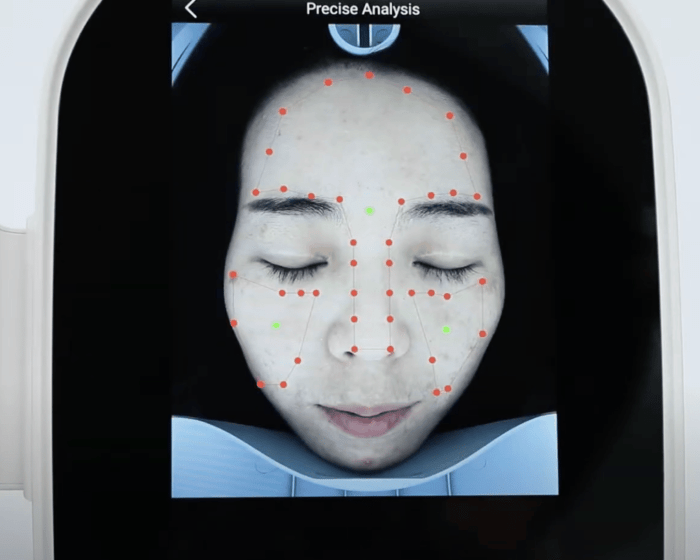
- Facial Expression Analysis: This method utilizes computer vision to analyze facial expressions for micro-expressions and other subtle cues. Micro-expressions are brief, involuntary facial expressions that can reveal a person’s true emotions, even if they are trying to conceal them. AI algorithms are trained to recognize these fleeting expressions. The data analyzed includes:
- Video recordings of the individual’s face.
- Facial Action Coding System (FACS) codes (identifying specific muscle movements).
- Eye movement patterns.
Architecture of an AI-Powered Lie Detection System
The architecture of a typical AI-powered lie detection system comprises several interconnected components that work in concert to analyze data and produce an assessment. This architecture, described below, highlights the essential elements and their functional relationships.The system begins with Data Acquisition, where various sensors and input devices collect data. This includes microphones for audio, cameras for video, and potentially physiological sensors for measuring heart rate, skin conductance, and other physiological signals.
The collected data is then passed to the Preprocessing Module. This module cleans and prepares the data for analysis. For audio, this might involve noise reduction and voice activity detection. For video, this could involve face detection and alignment. Text data might be tokenized and lemmatized.
The preprocessed data is then fed into the Feature Extraction Module. This module extracts relevant features from the preprocessed data. For example, from audio, it might extract pitch, tone, and speaking rate. From video, it might extract facial landmarks and micro-expression codes. From text, it might extract word frequencies and sentiment scores.These extracted features are then fed into the AI Model, which is the core of the system.
This module houses the machine learning algorithms, such as RNNs, CNNs, and SVMs. The AI model is trained on a large dataset of truthful and deceptive data. The model analyzes the extracted features and generates a score or probability indicating the likelihood of deception. The output of the AI Model is then sent to the Decision Module. This module interprets the model’s output and makes a final determination, such as “deceptive” or “truthful.” This module might also integrate information from multiple AI models, using techniques like ensemble methods to improve accuracy.
Finally, the Output Module presents the results of the analysis. This could be a simple “truthful” or “deceptive” classification, a probability score, or a detailed report highlighting the features that contributed to the assessment. The entire system is typically managed by a Control Module, which coordinates the different components and ensures the smooth flow of data.
Exploring the Technical Aspects of Building a Lie Detection Application

The development of an AI-based lie detection application involves a complex interplay of software engineering principles, data science techniques, and ethical considerations. Building such an application requires a systematic approach, carefully addressing each stage of the software development lifecycle. This includes rigorous testing, data acquisition, and model deployment, along with the need to handle sensitive personal information. The following sections will delve into the specific technical aspects of constructing this type of application, including the software development lifecycle, programming languages, and data sources.
Software Development Lifecycle for Lie Detection Applications
The software development lifecycle (SDLC) provides a structured framework for building an AI-based lie detection application. Each stage presents unique challenges, particularly when dealing with the complexities of human behavior and the ethical implications of the technology.The SDLC stages include:
- Requirements Gathering and Analysis: This initial stage involves defining the application’s goals, identifying target users, and determining the specific methods of deception the application will attempt to detect. Challenges include defining the scope of deception detection (e.g., detecting verbal, written, or nonverbal cues), specifying performance metrics (e.g., accuracy, precision, recall), and addressing ethical concerns like privacy and potential bias in the algorithms.
This phase also necessitates a deep understanding of the legal and regulatory landscape surrounding the use of AI in deception detection, such as the General Data Protection Regulation (GDPR) or the California Consumer Privacy Act (CCPA), especially when dealing with personal data.
- Design: The design phase involves architecting the application, including the choice of algorithms, data storage, and user interface. For lie detection, this includes selecting appropriate machine learning models (e.g., recurrent neural networks, support vector machines), designing data pipelines for processing various data sources (audio, video, text), and determining how the application will present its findings to the user. A major challenge is designing a robust and scalable architecture that can handle large datasets and complex computations while maintaining real-time performance.
This stage also requires careful consideration of model interpretability; users need to understand why the application made a particular determination.
- Implementation/Coding: This stage involves writing the code for the application, implementing the algorithms, and building the user interface. Developers face challenges such as integrating different data sources, optimizing the code for performance, and ensuring data security. For example, when integrating audio data, the code must handle noise reduction, speech recognition, and sentiment analysis. The code also needs to be written to handle the various formats and protocols of different data sources, such as video files or text-based chat logs.
- Testing: Rigorous testing is crucial to ensure the application’s accuracy and reliability. Testing involves various techniques, including unit testing, integration testing, and system testing. The challenges include creating a comprehensive test dataset that covers a wide range of deception scenarios and evaluating the application’s performance on unseen data. Another significant challenge is addressing potential biases in the data and the algorithms.
For instance, the system should be tested on diverse populations to ensure that it does not unfairly target or misinterpret the behavior of specific demographic groups.
- Deployment: Deployment involves releasing the application to users. This stage includes setting up the infrastructure, configuring the application, and monitoring its performance. For lie detection applications, deployment can involve on-premise solutions or cloud-based services. Challenges include ensuring data security, handling scalability, and providing ongoing support to users. The application’s deployment must also adhere to data privacy regulations.
- Maintenance: After deployment, the application requires ongoing maintenance to address bugs, update algorithms, and improve performance. This includes monitoring the application’s performance, collecting user feedback, and retraining the models with new data. Challenges include adapting to changes in user behavior, addressing new forms of deception, and maintaining the application’s accuracy over time. This phase also involves addressing any ethical concerns that arise after deployment, such as the potential for misuse or unintended consequences.
Programming Languages and Frameworks
Developing an AI-based lie detection application requires a combination of programming languages and frameworks tailored to handle data processing, machine learning, and user interface development.Here are some examples:
- Python: Python is a versatile language widely used in data science and machine learning. Its extensive libraries and frameworks, such as TensorFlow, PyTorch, scikit-learn, and NLTK, provide tools for building and training machine learning models, processing natural language, and analyzing audio and video data. For example, using TensorFlow, developers can build and train deep learning models for speech recognition, facial expression analysis, and sentiment analysis.
- R: R is another popular language for statistical computing and data analysis. It offers a wide range of packages for data visualization, statistical modeling, and machine learning. R is particularly useful for exploring data, conducting statistical tests, and building models for detecting patterns in data.
- Java: Java is a robust language often used for building scalable and enterprise-level applications. It can be used for backend development, data processing, and integration with other systems. Java provides libraries and frameworks for building APIs, handling large datasets, and managing databases.
- Frameworks:
- TensorFlow and PyTorch: These are popular deep learning frameworks used for building and training neural networks. They provide tools for creating, training, and deploying various types of machine learning models, including recurrent neural networks (RNNs) and convolutional neural networks (CNNs), which are well-suited for processing sequential data like speech and video.
- scikit-learn: This is a comprehensive machine learning library in Python that provides a wide range of algorithms for classification, regression, clustering, and dimensionality reduction. It offers tools for model selection, evaluation, and hyperparameter tuning.
- Natural Language Toolkit (NLTK): This is a Python library for natural language processing (NLP). It provides tools for text analysis, sentiment analysis, and information extraction.
Data Sources for Lie Detection Applications
A lie detection application can leverage various data sources to analyze patterns and identify potential deception.Here is an HTML table showcasing different data sources:“`html
| Data Source | Description | Examples | Challenges |
|---|---|---|---|
| Audio Data | Analyzes speech patterns, tone, and vocal characteristics to detect signs of deception. | Speech recordings, interviews, phone calls. | Noise reduction, speaker identification, accent variations. |
| Video Data | Examines facial expressions, body language, and eye movements to identify visual cues of deception. | Surveillance footage, interrogation videos, webcam recordings. | Lighting conditions, occlusion, pose variations. |
| Text Data | Evaluates written content, such as emails, chat logs, and social media posts, for linguistic patterns associated with deception. | Emails, instant messages, social media posts, written statements. | Spelling and grammatical errors, sarcasm detection, context understanding. |
| Physiological Data | Incorporates physiological responses, such as heart rate, skin conductance, and brain activity, to detect signs of stress and deception. | Heart rate, skin conductance response (GSR), brainwave activity (EEG). | Accuracy of sensors, individual differences, environmental factors. |
“`
Examining the Ethical Considerations and Potential Biases in Lie Detection Technology
The deployment of artificial intelligence (AI) for lie detection presents a complex web of ethical considerations that demand careful scrutiny. While the technology promises to revolutionize various fields, from law enforcement to recruitment, its application raises profound concerns regarding privacy, fairness, and the potential for misuse. Understanding these ethical implications is crucial to ensure responsible development and deployment, mitigating the risks of societal harm.
Ethical Concerns Surrounding AI-Powered Lie Detection
The use of AI in lie detection raises a multitude of ethical concerns that must be addressed. These concerns span across several key areas: privacy, fairness, and potential for misuse.
- Privacy: AI-powered lie detection often relies on collecting and analyzing sensitive personal data, including biometric information (facial expressions, voice patterns), physiological signals (heart rate, skin conductance), and even textual data. The constant monitoring of individuals, whether knowingly or unknowingly, constitutes a significant invasion of privacy. Furthermore, the storage, processing, and sharing of this data create vulnerabilities to breaches and misuse.
The potential for surveillance and the chilling effect on freedom of expression are significant. For example, a system used in the workplace to monitor employee communications could potentially be used to identify dissent or unionization efforts, thus violating employee privacy.
- Fairness: AI algorithms are trained on datasets, and these datasets can reflect existing societal biases. If the training data contains biases related to race, gender, or other protected characteristics, the AI system may learn to unfairly classify individuals from certain demographic groups as deceptive. This can lead to discriminatory outcomes in various contexts, such as criminal justice, employment, and loan applications.
A facial expression analysis system trained primarily on data from one ethnic group might perform poorly when analyzing the expressions of individuals from other groups, leading to inaccurate and potentially biased assessments.
- Potential for Misuse: The technology could be misused for purposes beyond its intended scope. Governments or organizations could use lie detection systems to suppress dissent, control populations, or target individuals based on their beliefs or affiliations. The use of this technology in interrogation settings could lead to coercion and the fabrication of false confessions. The ambiguity surrounding the reliability of lie detection technology further exacerbates the potential for misuse.
For example, a government might use lie detection technology to screen immigrants, denying entry based on inaccurate assessments of their truthfulness.
- Transparency and Explainability: Many AI systems, especially those based on deep learning, are “black boxes,” meaning that their decision-making processes are difficult to understand. This lack of transparency makes it challenging to identify and address biases, errors, and potential misclassifications. It also undermines trust in the system and makes it difficult to hold the developers and users accountable. The inability to explain why an AI system flagged someone as deceptive raises serious concerns about due process and fairness.
Potential Biases in Lie Detection Systems
AI-powered lie detection systems are susceptible to various biases that can compromise their accuracy and reliability. These biases can arise from several sources: the data used to train the system, the algorithms employed, and the interpretations made by human users.
- Data Bias: The training data used to build lie detection systems often reflects existing societal biases. For example, if the training data contains a disproportionate number of examples of certain demographic groups being falsely accused of deception, the system may learn to associate those groups with deception. This can lead to the system being more likely to flag individuals from those groups as deceptive, even if they are telling the truth.
Data bias is a fundamental challenge in AI, and careful attention to data curation and pre-processing is crucial. For instance, if a system is trained on data predominantly featuring male subjects, its accuracy when analyzing female subjects may be significantly lower due to differences in facial expressions or vocal patterns.
- Algorithmic Bias: The algorithms used in lie detection systems can also introduce biases. For example, certain algorithms may be more sensitive to subtle variations in facial expressions or vocal patterns, leading to false positives or false negatives. The choice of algorithm and its parameters can significantly impact the system’s performance and fairness. Algorithmic bias can manifest in various ways, such as over-emphasizing certain features (e.g., micro-expressions) while ignoring others, leading to inaccurate assessments.
- User Bias: Human users of lie detection systems can also introduce biases. Their pre-conceived notions, expectations, and interpretations of the system’s output can influence their decisions. For example, if a user believes that a particular individual is likely to be deceptive, they may be more inclined to interpret the system’s output as confirming their bias. This is known as confirmation bias.
The context in which the system is used can also influence user bias.
- Contextual Bias: The environment in which the lie detection system is deployed can also introduce bias. Factors such as lighting, noise levels, and cultural norms can affect the system’s accuracy. The system may not perform well in environments that differ significantly from the environments in which it was trained. For example, a system trained in a controlled laboratory setting may not be as accurate when used in a noisy and chaotic real-world setting, such as a crowded airport.
Hypothetical Scenario: Ethical Dilemmas in Employment Screening
A multinational corporation implements an AI-powered lie detection system for pre-employment screening. The system analyzes candidates’ facial expressions, vocal patterns, and written responses during interviews. A candidate, Sarah, is flagged as potentially deceptive by the system. Despite her qualifications and positive interview performance, the hiring manager, influenced by the system’s output, decides not to offer her the job. Sarah, upon learning of this, discovers the system’s training data was predominantly drawn from male subjects, raising concerns about potential gender bias. She believes the system misinterpreted her emotional responses, leading to an unfair assessment. The company refuses to disclose the specific criteria the system used to reach its conclusion, citing proprietary information.
Investigating the Accuracy and Limitations of Current Lie Detection Applications
The efficacy of artificial intelligence (AI)-driven lie detection applications is a complex subject, riddled with nuances that impact their real-world applicability. While advancements in machine learning and natural language processing have enabled the development of sophisticated tools, their accuracy remains a subject of considerable debate. This section delves into the accuracy rates of current applications, the factors influencing these rates, and the scenarios where these applications excel or falter.
Furthermore, we will explore methods for evaluating their effectiveness.
Accuracy Rates and Influencing Factors
The accuracy rates of AI-based lie detection applications are not uniform; they vary significantly depending on the methodology, data used for training, and the context in which they are applied. Studies have shown a wide range of reported accuracy rates, often between 60% and 80%, although some claim higher accuracy levels, which should be scrutinized carefully. This variability underscores the limitations of these technologies.Several factors significantly influence these accuracy rates:
- Data Quality and Quantity: The performance of AI models is highly dependent on the quality and quantity of the data used for training. Models trained on biased datasets or datasets with limited variability may exhibit poor generalization performance. For instance, a system trained primarily on data from a specific demographic group might perform poorly when analyzing the speech or behavior of individuals from a different background.
- Feature Selection: The features selected for analysis (e.g., vocal patterns, facial expressions, micro-expressions, word choice, and physiological responses) play a crucial role. The accuracy is contingent on the correlation between the chosen features and deception. If the selected features are not strongly indicative of lying, the system’s accuracy will be compromised.
- Contextual Factors: The context in which the lie detection is performed significantly impacts accuracy. Factors like the emotional state of the individual, the stakes involved, and the nature of the questions being asked can influence the accuracy of the system. For example, a person under extreme duress might exhibit behaviors that the system misinterprets as deception.
- Model Complexity and Algorithm Choice: The complexity of the AI model and the choice of algorithm also play a role. While more complex models may be able to capture subtle patterns, they can also be prone to overfitting, where the model performs well on the training data but poorly on unseen data.
- Baseline Deception Rate: The prevalence of deception within the dataset influences the overall accuracy. If the baseline rate of deception is low, the system may struggle to identify deceptive instances. The accuracy can be expressed as:
Accuracy = (True Positives + True Negatives) / Total number of instances
Situations of Effectiveness and Ineffectiveness
AI-based lie detection applications demonstrate varying levels of effectiveness depending on the context.
- Most Effective Situations:
- Structured Interviews with Pre-defined Questions: Applications often perform better in structured environments where questions are standardized, and responses are elicited under controlled conditions. This helps minimize contextual noise and allows the system to focus on specific behavioral cues. An example would be a security screening at an airport where the questions are pre-determined and the environment is relatively controlled.
- Analysis of Large Datasets: These systems can be effective when analyzing large datasets of data, allowing for the identification of subtle patterns that might be missed by human observers. For instance, in fraud detection, the system can analyze financial transactions to detect unusual patterns.
- Supplementing Human Judgment: In some cases, AI can serve as a supplementary tool to aid human judgment. By providing additional information, it can help human investigators identify potential inconsistencies.
- Least Effective Situations:
- High-Stakes Environments: In high-stakes situations, where the consequences of deception are severe, individuals may exhibit heightened emotional responses that can be misinterpreted by the system. For example, in a criminal investigation, the suspect might experience stress, which can lead to false positives.
- Uncontrolled Environments: These systems struggle in unstructured or uncontrolled environments, where external factors can significantly influence behavior. For example, in casual conversations, where the context is not pre-defined, the system might misinterpret ambiguous cues.
- Cross-Cultural Contexts: These systems are not well-suited for cross-cultural environments because non-verbal cues and communication styles can vary greatly. A facial expression that indicates deception in one culture might be considered neutral or even positive in another.
Methods for Evaluating Effectiveness
Evaluating the effectiveness of AI-based lie detection applications requires rigorous methodologies to ensure reliable and valid results. Here are three commonly used methods:
- Controlled Experiments: Controlled experiments involve creating scenarios where the truth is known, and participants are instructed to either tell the truth or lie. The system’s performance is then evaluated by comparing its predictions with the known ground truth.
- Field Studies: Field studies involve deploying the application in real-world settings and assessing its performance. This method provides valuable insights into the system’s usability and effectiveness in practical scenarios. For instance, the system might be tested in a customer service environment to evaluate its ability to detect deceptive statements.
- Comparative Analysis: This involves comparing the performance of the AI application with other lie detection methods, such as human experts or other AI-based systems. This allows for a relative assessment of the system’s effectiveness and helps identify areas for improvement. The performance can be measured by comparing the accuracy rate, precision, and recall metrics.
For example, a comparative analysis might involve comparing the performance of an AI-based system with a polygraph machine.
This method allows researchers to isolate specific variables and assess the system’s accuracy under controlled conditions.
This approach often involves collecting data from a diverse group of users and analyzing the system’s performance on a larger scale.
Analyzing the Data Sources and Input Methods Utilized by Lie Detection Apps
The efficacy of lie detection applications hinges on the quality and diversity of data sources employed. These applications leverage various data streams to infer deception, each possessing unique strengths and limitations. Understanding these sources and how they are integrated is crucial for evaluating the capabilities and potential biases of these technologies.
Data Sources Used by Lie Detection Applications
Lie detection applications rely on a multifaceted approach to data collection. The choice of data source influences the application’s ability to identify deceptive behavior.
- Voice Analysis: Voice analysis examines vocal characteristics such as pitch, tone, speaking rate, and the frequency of pauses and filler words (“um,” “ah”).
- Advantages: It is relatively easy to collect voice data, making it a convenient method. Vocal cues can be unconsciously altered during deception, potentially revealing underlying stress or cognitive load.
- Disadvantages: Voice analysis can be susceptible to environmental noise and individual vocal variations. Cultural differences in speech patterns and emotional expression can lead to inaccurate interpretations. For instance, a person naturally speaking at a higher pitch might be misidentified as deceptive. Additionally, vocal changes can be consciously controlled to some extent, reducing the reliability of this method.
- Facial Expression Recognition: This involves analyzing facial movements and expressions, such as micro-expressions, which are fleeting facial displays that can indicate underlying emotions.
- Advantages: Facial expressions are often considered a relatively universal form of nonverbal communication, making it potentially applicable across different cultures. Automated systems can analyze facial movements with a high degree of precision, detecting subtle cues that might be missed by human observers.
- Disadvantages: Facial expressions can be deliberately masked or controlled. Cultural norms regarding emotional expression can influence how people display their emotions, leading to misinterpretations. Lighting conditions, camera angles, and image quality can also affect the accuracy of facial expression recognition.
- Text Analysis: Text analysis involves scrutinizing written or typed communication for linguistic patterns associated with deception.
- Advantages: It is applicable to various communication formats, including emails, text messages, and social media posts. The analysis can reveal linguistic cues, such as the use of vague language, hedging, or the avoidance of direct answers.
- Disadvantages: Linguistic styles vary widely depending on factors like education, writing skills, and cultural background. Text analysis can be easily manipulated by individuals who are aware of the techniques used to detect deception. It may also struggle to distinguish between genuine mistakes and deliberate deception.
- Physiological Data: Some applications incorporate physiological data, such as heart rate, skin conductance (sweat), and eye movements.
- Advantages: Physiological responses are often involuntary and can provide objective indicators of stress or arousal, which may be associated with deception.
- Disadvantages: Physiological responses can be influenced by various factors unrelated to deception, such as anxiety, stress, or physical exertion. The use of physiological sensors can be invasive and may require specialized equipment.
Input Methods Incorporated into Lie Detection Applications
Lie detection applications employ a variety of input methods to collect and process data. The choice of input method directly influences the types of data that can be analyzed and the overall functionality of the application.
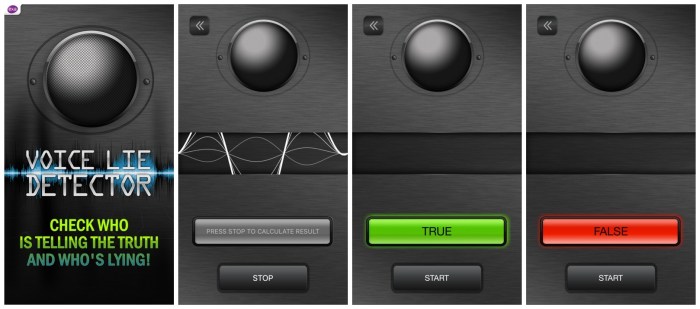
- Voice Analysis Integration: Applications use microphones to capture audio data. Algorithms analyze the audio signal to extract vocal features. For example, the software might track changes in fundamental frequency (pitch), measuring the average pitch of a speaker’s voice, which can be correlated with stress. A sudden increase in pitch could be flagged as a potential indicator of deception. The software also analyses the duration and frequency of pauses, hesitations, and filler words.
- Facial Expression Recognition Implementation: Cameras capture video data of the subject’s face. Computer vision algorithms identify and track facial landmarks, such as the corners of the mouth, eyebrows, and eyes. The software then analyzes these landmarks to detect facial expressions. For instance, the system might recognize a micro-expression of fear or disgust, which could suggest deception. The accuracy of this method depends heavily on the quality of the video feed and the robustness of the facial recognition algorithms.
- Text Analysis Integration: Text-based applications analyze written or typed text. The application processes the text to identify linguistic patterns. For example, it might search for the use of vague language, such as “maybe” or “possibly”, which could indicate uncertainty or evasion. Another example is the analysis of sentence structure and word choice. The software can flag specific words or phrases that are statistically associated with deception.
Data Types the App Needs to Process
The effectiveness of a lie detection app relies on the specific data it processes. The following list Artikels the types of data that are commonly utilized:
- Audio Data: This includes the raw audio recording of the subject’s voice, from which vocal features such as pitch, tone, speaking rate, and pause duration are extracted.
- Video Data: This involves video recordings of the subject’s face, enabling the extraction of facial expressions and micro-expressions.
- Text Data: This includes written or typed text, such as emails, text messages, or chat logs, which is analyzed for linguistic patterns.
- Physiological Data: This could encompass heart rate variability, skin conductance level, and eye movement patterns, collected through various sensors.
- Contextual Data: This includes information about the subject, the environment, and the situation in which the communication is taking place. This might include demographic information, background knowledge, and details about the specific questions being asked.
- Calibration Data: This refers to data used to train and calibrate the lie detection algorithms. This could include examples of truthful and deceptive statements from a diverse range of individuals.
Reviewing the Applications of AI-Powered Lie Detection in Various Industries

AI-powered lie detection technology has seen increasing deployment across various sectors, promising to enhance decision-making processes by providing objective assessments of truthfulness. However, its application raises complex ethical and practical considerations. This section will explore the current uses of this technology in law enforcement, security, and human resources, outlining the benefits, challenges, and specific use cases within each industry.
Law Enforcement Applications
Law enforcement agencies are increasingly exploring the use of AI lie detection tools to aid in investigations, suspect interviews, and witness testimonies. The goal is to improve the accuracy and efficiency of investigations by identifying deceptive behavior patterns that might otherwise be missed.
- Suspect Interrogation: AI systems analyze physiological data (e.g., heart rate variability, eye movements, facial expressions) and verbal cues (e.g., tone of voice, word choice) during interrogations to assess the likelihood of deception. This can help investigators prioritize leads and focus questioning on areas of potential dishonesty. For example, some police departments are experimenting with AI-powered interview systems that provide real-time feedback to investigators, flagging potential indicators of deception based on a pre-trained model.
- Witness Testimony Analysis: AI can be used to analyze witness statements for inconsistencies and contradictions, potentially uncovering deceptive narratives. By comparing a witness’s statement with known facts, the system can highlight areas where the testimony deviates from established evidence. This helps to identify unreliable witnesses and prevent wrongful convictions.
- Crime Scene Investigation: AI can analyze video footage from body cameras, surveillance cameras, and other sources to identify suspicious behavior, such as evasive actions or micro-expressions that might indicate deception. This can assist in identifying potential suspects and reconstructing the events of a crime.
- Predictive Policing: Some law enforcement agencies are utilizing AI to predict the likelihood of future criminal activity. This involves analyzing large datasets of crime data, social media activity, and other information to identify individuals who may be at risk of committing crimes or are exhibiting deceptive behaviors.
The implementation of AI lie detection in law enforcement offers several benefits, including potentially faster investigations, reduced reliance on subjective human judgment, and the possibility of uncovering deceptive behaviors that might otherwise go unnoticed. However, significant challenges exist.
- Accuracy and Reliability: The accuracy of AI lie detection tools is still under debate. The technology is susceptible to biases in the data used to train the algorithms, leading to potentially inaccurate results. Furthermore, the effectiveness of these tools can vary depending on the individual, the context of the interrogation, and the specific deceptive techniques employed.
- Ethical Concerns: The use of AI lie detection raises serious ethical concerns regarding privacy, due process, and the potential for abuse. The technology could be used to unfairly target specific demographics or to coerce confessions from innocent individuals.
- Legal Challenges: The admissibility of AI-generated evidence in court is a complex legal issue. The reliability and validity of the technology must be established to meet the standards of evidence.
- Data Bias: If the data used to train the AI system is biased (e.g., over-representation of certain demographics in crime statistics), the system may perpetuate and amplify these biases in its assessments of truthfulness. This could lead to unfair or discriminatory outcomes.
Security Applications
Security applications of AI lie detection span a wide range of contexts, from border control to corporate security, aiming to identify potential threats and prevent security breaches. These applications leverage various data sources to assess an individual’s truthfulness and intent.
- Border Control and Immigration Screening: AI-powered systems are used at border crossings and airports to screen individuals for potential security risks. These systems analyze facial expressions, body language, and verbal cues to identify individuals who may be concealing information or posing a threat. For example, some countries are using AI-powered systems to analyze the micro-expressions of travelers to detect potential deception.
- Airport Security: AI can analyze video footage from security cameras to identify suspicious behavior, such as individuals attempting to bypass security protocols or concealing prohibited items. It can also analyze the speech patterns and body language of individuals interacting with security personnel.
- Corporate Security: Companies utilize AI lie detection tools to screen employees and job applicants, especially those with access to sensitive information. These tools can be used to detect insider threats, such as theft, fraud, or sabotage.
- Cybersecurity: AI is employed to detect deceptive behavior in online communications, such as phishing attempts or social engineering attacks. This involves analyzing the language, tone, and context of online interactions to identify potential threats.
The benefits of AI lie detection in security are significant, including improved threat detection, enhanced security protocols, and the potential for preventing security breaches. However, the implementation of this technology also poses several challenges.
- False Positives and False Negatives: AI systems are not perfect and can produce false positives (identifying innocent individuals as deceptive) and false negatives (failing to identify deceptive behavior). This can lead to unnecessary delays, investigations, and potentially serious security breaches.
- Privacy Concerns: The collection and analysis of personal data, such as facial expressions, voice recordings, and online communications, raise serious privacy concerns. It is crucial to implement appropriate safeguards to protect individuals’ privacy and prevent the misuse of this data.
- Evasion Techniques: Individuals who are aware of AI lie detection techniques may attempt to circumvent them by modifying their behavior or using countermeasures. This can reduce the effectiveness of the technology and make it more difficult to detect deception.
- Cost and Complexity: Implementing and maintaining AI lie detection systems can be expensive and complex. The technology requires specialized expertise, data storage, and processing capabilities.
Human Resources Applications
Human resources departments are increasingly using AI lie detection to improve the efficiency and accuracy of hiring processes, employee evaluations, and internal investigations. This application aims to identify dishonest behavior and ensure a fair and trustworthy work environment.
- Pre-Employment Screening: AI is used to assess the truthfulness of job applicants during interviews and background checks. This can involve analyzing responses to interview questions, reviewing resumes and social media profiles, and analyzing physiological data. For instance, some companies use AI-powered interview platforms that analyze facial expressions and voice patterns to assess the honesty of candidates.
- Employee Performance Evaluations: AI can be used to analyze employee communications, performance data, and other information to identify potential issues such as dishonesty, fraud, or misconduct. This can help to improve employee performance and reduce the risk of workplace violations.
- Internal Investigations: AI can assist in investigating employee misconduct, such as theft, fraud, or harassment. This involves analyzing employee communications, emails, and other data to identify potential perpetrators and uncover the truth.
- Training and Development: AI can be used to train employees on how to identify and respond to deceptive behavior. This can involve simulations, role-playing exercises, and other training modules.
The advantages of AI lie detection in human resources include enhanced hiring accuracy, improved employee performance, and reduced risk of workplace violations. However, there are also challenges associated with its implementation.
- Discrimination and Bias: AI systems used in human resources can perpetuate existing biases if the training data is not representative of the diverse workforce. This can lead to unfair hiring practices and discriminatory outcomes.
- Employee Privacy: The collection and analysis of employee data, such as communications and performance metrics, raise serious privacy concerns. It is essential to implement strict data privacy policies and ensure that employees are aware of how their data is being used.
- Employee Resistance: Employees may resist the use of AI lie detection technology due to concerns about privacy, fairness, and job security. It is important to address these concerns and communicate transparently about the purpose and use of the technology.
- Legal Compliance: The use of AI lie detection in human resources must comply with all relevant employment laws and regulations. This includes obtaining consent from employees, ensuring data privacy, and avoiding discriminatory practices.
Comparative Table of Use Cases
This table summarizes the applications of AI-powered lie detection across the three industries discussed, highlighting the specific use cases and types of data analyzed.
| Industry | Use Case | Types of Data Analyzed | Benefits |
|---|---|---|---|
| Law Enforcement | Suspect Interrogation |
|
|
| Security | Border Control Screening |
|
|
| Human Resources | Pre-Employment Screening |
|
|
Comparing Different AI Approaches to Detecting Deception
The field of artificial intelligence offers a diverse range of techniques for attempting to identify deception. These approaches, leveraging the power of machine learning, deep learning, and natural language processing, each bring unique strengths and weaknesses to the challenge. Understanding these differences is crucial for evaluating the capabilities and limitations of lie detection applications. This comparison will explore these varied AI methods, illustrating their application and contrasting their effectiveness in detecting deceit.
Machine Learning Approaches
Machine learning algorithms, a subset of AI, are frequently employed in lie detection. These algorithms learn patterns from data without explicit programming, enabling them to identify subtle indicators of deception. The effectiveness of these algorithms depends heavily on the quality and quantity of the training data.
- Supervised Learning: This approach utilizes labeled datasets, where instances of truthful and deceptive statements are clearly identified. Algorithms, such as Support Vector Machines (SVMs) and Random Forests, are trained to classify new data based on the patterns learned from the labeled examples. For example, a supervised learning model might be trained on a dataset of interview transcripts, labeled with the truthfulness of each statement.
The model then learns to identify linguistic cues, such as the use of hedging words (“maybe,” “perhaps”) or the frequency of specific word choices, that are correlated with deception.
- Unsupervised Learning: When labeled data is scarce, unsupervised learning techniques like clustering can be used. These algorithms group similar data points together without prior knowledge of their labels. In the context of lie detection, this could involve clustering individuals based on their speech patterns or behavioral characteristics, and then identifying clusters that deviate significantly from the norm. However, unsupervised methods are generally less accurate than supervised methods in identifying deception, as they lack the explicit guidance of labeled data.
- Strengths: Machine learning models can be relatively easy to implement and can be trained on a wide variety of data types, including text, audio, and video.
- Weaknesses: Machine learning models are heavily reliant on the quality and representativeness of the training data. They may also struggle to generalize to new situations or populations if the training data is biased or limited. The “black box” nature of some models can also make it difficult to understand why a particular prediction was made.
Deep Learning Approaches
Deep learning, a subfield of machine learning, utilizes artificial neural networks with multiple layers (deep neural networks) to analyze complex data patterns. These models are particularly effective at processing unstructured data, such as speech and text, making them well-suited for lie detection tasks.
- Recurrent Neural Networks (RNNs): RNNs are designed to process sequential data, such as spoken language or written text. They can capture the temporal dependencies between words and phrases, allowing them to identify patterns of deception that unfold over time. For example, an RNN might be trained to analyze the sequence of words in a statement, looking for inconsistencies or deviations from a baseline pattern.
- Convolutional Neural Networks (CNNs): CNNs are commonly used for image and video analysis. In lie detection, CNNs can be applied to analyze facial expressions, body language, and other visual cues. For example, a CNN could be trained to identify micro-expressions that are indicative of deception.
- Strengths: Deep learning models can automatically learn complex features from raw data, eliminating the need for manual feature engineering. They often achieve state-of-the-art performance in various tasks, including speech recognition and natural language understanding.
- Weaknesses: Deep learning models require vast amounts of data and computational resources for training. They are also prone to overfitting, and their predictions can be difficult to interpret.
Natural Language Processing (NLP) Approaches
NLP focuses on enabling computers to understand and process human language. NLP techniques are frequently employed in lie detection to analyze the linguistic characteristics of statements and identify patterns associated with deception.
- Sentiment Analysis: This technique assesses the emotional tone of text, identifying positive, negative, or neutral sentiment. Deceptive statements may exhibit a different sentiment profile compared to truthful statements. For example, a liar might use more negative language or express less emotion than a truthful person.
- Stylometric Analysis: This involves analyzing the writing style of a text, including word choice, sentence structure, and grammatical patterns. Deceptive statements may have distinct stylometric characteristics. For example, liars may use fewer first-person pronouns, employ more complex sentence structures, or provide less detail than truthful individuals.
- Strengths: NLP techniques can be applied to a wide range of text-based data, and they can provide insights into the cognitive and emotional processes underlying deception.
- Weaknesses: NLP models can be sensitive to the context and style of the language used. They may also struggle to identify deception in situations where the individual is a skilled liar.
A Specific AI Method: Analyzing Data for Deception
This particular AI method focuses on identifying deceptive cues through the analysis of vocal patterns and speech characteristics. The process begins with the collection of audio data, which undergoes pre-processing steps, including noise reduction and speech segmentation. The core of the analysis involves extracting a set of acoustic features from the speech signal. These features may include:
- Fundamental Frequency (F0): This represents the pitch of the speaker’s voice, measured in Hertz (Hz). Changes in F0, such as pitch variation and the presence of vocal fry (a low-frequency vibration), can be indicators of stress or deception.
- Formant Frequencies: These are resonant frequencies of the vocal tract, which are influenced by the shape of the mouth and throat. Formant frequencies can be used to identify changes in articulation and vocal effort, which may be associated with deception.
- Speaking Rate: This is the speed at which the speaker delivers the words, measured in words per second or syllables per second. A change in speaking rate, such as hesitations, pauses, or faster speech, can be linked to deception.
- Jitter and Shimmer: These are measures of the short-term variability in the fundamental frequency (jitter) and amplitude (shimmer) of the voice. These measures can be used to assess vocal stability and detect subtle changes associated with stress.
The extracted acoustic features are then fed into a machine learning model, such as a Support Vector Machine or a Random Forest. The model is trained on a labeled dataset, where audio recordings are paired with ground truth labels (truthful or deceptive). The model learns to identify patterns in the acoustic features that are correlated with deception. During the testing phase, the model analyzes the audio data of a new speaker and uses the learned patterns to predict the likelihood of deception.
The model’s output provides a score indicating the probability that the speaker is being deceptive, based on the acoustic characteristics of their speech.
Exploring the User Interface and User Experience of Lie Detection Applications
The user interface (UI) and user experience (UX) of a lie detection application are critical for its effectiveness and acceptance. A poorly designed UI can lead to user frustration, inaccurate data interpretation, and ultimately, a lack of trust in the application’s results. Therefore, careful consideration must be given to the design principles, features, and functionalities to ensure a seamless and informative experience for the user.
The goal is to create an interface that is both intuitive and provides clear, actionable insights derived from the analysis.
Key Features and Functionalities of the User Interface
The UI should be designed to facilitate easy data input, clear presentation of results, and comprehensive interpretation tools. These elements are crucial for user understanding and trust.
- Data Input Methods: The application should support multiple data input methods. This could include real-time audio and video recording, text-based input (e.g., transcripts of conversations, written statements), and the ability to upload pre-recorded audio or video files. A clear indication of the supported file formats and the required quality (e.g., microphone sensitivity, video resolution) should be provided.
- Real-Time Feedback: During data collection, the UI should provide real-time feedback to the user. This might involve visual indicators of audio levels, video framing, and even preliminary analysis of the data as it’s being collected. For instance, a color-coded bar could indicate the intensity of detected stress levels (e.g., green for low, yellow for moderate, red for high).
- Analysis Presentation: The presentation of the analysis results must be clear, concise, and easily understandable. The UI should display key metrics and indicators in a visually appealing and organized manner. This includes the use of charts, graphs, and tables to represent the data, as well as the ability to zoom in and out of specific time segments for closer examination.
- Contextual Information: Providing context is crucial. The UI should allow users to add context to the input data. This includes the ability to tag specific statements or phrases within the input data, add notes, and link the analysis to external information (e.g., background information about the subject, prior statements).
- Transparency and Explainability: The application should offer transparency into the analysis process. This could involve displaying the algorithms used, the features analyzed (e.g., vocal stress, micro-expressions), and the confidence levels associated with the results.
- Customization Options: Users should have the option to customize the UI to suit their preferences. This includes adjusting the color scheme, font size, and layout. It should also include options to filter the results, highlight specific features, and export the data in different formats.
- Accessibility Features: The application should be designed with accessibility in mind, adhering to accessibility standards (e.g., WCAG). This includes providing options for users with visual impairments (e.g., screen reader compatibility, high-contrast mode), auditory impairments (e.g., closed captions for video), and motor impairments (e.g., keyboard navigation).
Examples of User Interface Designs
Consider the following examples that illustrate elements improving user experience:
- Dashboard View: A central dashboard could display a summary of the analysis, including an overall deception score, key indicators, and a timeline of events. The dashboard should allow users to quickly identify potential areas of concern.
- Interactive Timeline: An interactive timeline could display the audio or video data alongside the analysis results. Users could click on specific time points to view the corresponding audio/video and the associated analysis data (e.g., changes in vocal stress, facial expressions).
- Heatmaps: Heatmaps could be used to visualize the intensity of certain features (e.g., changes in vocal pitch) over time. This could allow users to quickly identify patterns and anomalies in the data.
- Comparative Analysis: The UI should facilitate the comparison of different data sets. This could involve comparing a subject’s current statement to a previous statement or comparing the analysis results of multiple individuals.
Summary of Analysis:
Overall Deception Score: 78% (High Probability of Deception)
Key Indicators:
- Elevated Vocal Stress: Significant increase in vocal pitch and intensity during specific questions.
- Micro-expression Analysis: Subtle signs of fear and disgust detected during critical statements.
- Inconsistent Body Language: Observed avoidance of eye contact and fidgeting during key points.
Detailed Analysis: The application has identified several indicators that suggest a high probability of deception. The subject exhibited elevated vocal stress and subtle facial expressions indicative of negative emotions during critical questioning. These findings, combined with inconsistent body language, support the conclusion of potential deception. Please review the detailed analysis for specific timestamps and supporting data.
Examining the Future Trends and Developments in AI-Based Lie Detection
The field of AI-based lie detection is rapidly evolving, driven by advancements in machine learning, sensor technology, and data analytics. Future developments promise to enhance accuracy, expand applications, and address existing limitations. However, these advancements also raise ethical concerns and societal challenges that must be carefully considered. The integration of various data streams and sophisticated analytical techniques is poised to revolutionize how we detect deception, but responsible development and deployment are crucial.
Advancements in Multi-Modal Analysis
Multi-modal analysis, the integration of data from various sources such as speech patterns, facial expressions, body language, and physiological responses, is a key area of future development. This approach leverages the complementary strengths of different data modalities to provide a more comprehensive and accurate assessment of truthfulness.The integration of multiple data streams presents significant opportunities.
- Enhanced Accuracy: Combining data from multiple sources allows for a more nuanced understanding of an individual’s state. For example, subtle changes in vocal pitch, combined with micro-expressions and heart rate variability, can provide a more reliable indicator of deception than any single modality. The fusion of these data points creates a more robust and accurate model.
- Reduced Reliance on Single Data Points: Multi-modal systems are less susceptible to manipulation or countermeasures. If an individual can control their facial expressions, other modalities, such as vocal characteristics or physiological responses, might reveal deception. This redundancy increases the system’s resilience to deceptive tactics.
- Improved Generalizability: By considering a broader range of behavioral cues, multi-modal systems can be trained on more diverse datasets, making them less prone to biases and more effective across different demographics and cultural backgrounds. This is crucial for real-world applications where variations in behavior are common.
The Role of Deep Learning and Neural Networks
Deep learning, particularly neural networks, is playing an increasingly significant role in AI-based lie detection. These models can automatically learn complex patterns and relationships within vast datasets, enabling them to identify subtle indicators of deception that might be missed by traditional methods.Deep learning offers several advantages in this domain.
- Feature Extraction: Deep learning models can automatically extract relevant features from raw data, eliminating the need for manual feature engineering. This simplifies the development process and allows the models to learn more complex and subtle patterns. For instance, in speech analysis, deep learning can automatically identify and analyze intricate acoustic features indicative of stress or deception.
- Pattern Recognition: Neural networks excel at recognizing complex patterns in high-dimensional data. This capability is essential for identifying subtle and often non-linear relationships between different indicators of deception. These networks can learn intricate connections between different modalities.
- Adaptability: Deep learning models can adapt to new data and changing patterns over time. This adaptability is crucial for maintaining the accuracy and effectiveness of lie detection systems in the face of evolving deceptive tactics.
The Incorporation of Physiological Data
The use of physiological data, such as heart rate variability (HRV), skin conductance (GSR), and brainwave activity (EEG), is another emerging trend. These physiological responses are often involuntary and can provide valuable insights into an individual’s emotional and cognitive state, making them potentially useful indicators of deception.The inclusion of physiological data has several implications.
- Objective Measurement: Physiological data provides objective and quantifiable measures of an individual’s internal state. This can reduce the reliance on subjective interpretations of behavior, leading to more reliable and consistent results.
- Resistance to Manipulation: Physiological responses are generally more difficult to consciously control than facial expressions or verbal responses, making them less susceptible to manipulation. This enhances the reliability of the system.
- Real-Time Monitoring: Physiological sensors can provide real-time data, enabling continuous monitoring of an individual’s state. This is particularly useful in situations where ongoing assessment is required, such as in security screening or interrogation settings.
Ethical Considerations and Bias Mitigation
As AI-based lie detection technology advances, it is crucial to address ethical considerations and potential biases. These systems must be developed and deployed responsibly to prevent misuse and ensure fairness.Ethical considerations are paramount in the development and deployment of these systems.
- Privacy Concerns: The collection and analysis of sensitive data, such as physiological responses and biometric information, raise significant privacy concerns. Robust data protection measures and transparent data handling practices are essential.
- Bias Mitigation: AI models can inherit biases from the data they are trained on, leading to inaccurate or unfair results for certain demographic groups. Careful data curation, bias detection, and mitigation techniques are necessary to ensure fairness and prevent discrimination.
- Transparency and Explainability: The decision-making processes of AI models should be transparent and explainable. This allows users to understand how the system arrives at its conclusions and identify potential errors or biases.
Potential Advancements and Challenges
| Advancement | Description | Potential Impact | Associated Challenges |
|---|---|---|---|
| Advanced Multi-Modal Fusion | Integration of diverse data streams (speech, facial expressions, body language, physiological responses, and textual analysis) using sophisticated fusion techniques. | Enhanced accuracy and robustness, reduced susceptibility to countermeasures, and improved generalizability across demographics. | Data integration complexity, potential for increased computational costs, and the need for standardized data collection protocols. |
| Explainable AI (XAI) | Development of AI models that provide insights into their decision-making processes, allowing users to understand why a specific conclusion was reached. | Increased transparency and trust in the system, easier identification of biases, and improved user understanding. | Balancing model accuracy with explainability, the need for intuitive user interfaces, and the risk of oversimplification. |
| Personalized Lie Detection | Adapting AI models to individual baselines and behavioral patterns, improving accuracy by accounting for individual differences. | Increased accuracy for specific individuals, reduced false positives, and the potential for personalized security measures. | The need for extensive individual training data, ethical concerns related to profiling, and the potential for misuse. |
| Real-Time Applications | Development of systems capable of real-time lie detection in various settings, such as security screening, law enforcement, and customer service. | Enhanced security and efficiency, improved decision-making, and the potential for proactive interventions. | High computational demands, the need for robust and reliable sensors, and ethical considerations related to surveillance and privacy. |
Investigating the Legal and Regulatory Landscape Surrounding AI Lie Detection
The deployment of AI-powered lie detection applications presents a complex web of legal and regulatory challenges. These applications, leveraging sophisticated algorithms to analyze various data points for deception, raise significant concerns regarding privacy, data protection, and potential for discriminatory outcomes. Navigating this landscape requires careful consideration of existing legal frameworks and the development of new regulations to address the unique challenges posed by this technology.
The absence of comprehensive and globally harmonized regulations creates a fragmented environment, making it difficult for developers and users to ensure compliance and ethical practices.
Privacy Concerns and Data Protection
The core of the legal and regulatory debate revolves around privacy and data protection. AI lie detection applications often require access to sensitive personal data, including biometric information (voice, facial expressions, eye movements), physiological data (heart rate, skin conductance), and behavioral data (typing patterns, online activity). The collection, storage, and processing of such data are subject to stringent regulations designed to protect individuals’ privacy rights.
The primary concern is the potential for unauthorized access, misuse, and breaches of data security. Furthermore, the inherent risk of creating detailed profiles of individuals based on their perceived truthfulness raises serious concerns about surveillance and potential for chilling effects on freedom of expression. The following points highlight key aspects:* Data Minimization: Regulations such as the General Data Protection Regulation (GDPR) and the California Consumer Privacy Act (CCPA) emphasize the principle of data minimization, which requires that only the minimum necessary data be collected and processed for a specific purpose.
AI lie detection applications must justify the necessity of collecting each piece of data they utilize.* Transparency and Consent: Individuals must be informed about the use of AI lie detection, including the types of data collected, the purposes of its use, and the algorithms employed. Obtaining informed consent is crucial, although it can be challenging in certain contexts, such as covert surveillance or automated decision-making processes.* Data Security: Robust security measures are essential to protect data from unauthorized access, loss, or misuse.
This includes implementing encryption, access controls, and regular security audits. Data breaches can have significant legal and reputational consequences.* Right to Access and Rectification: Individuals have the right to access their data, rectify any inaccuracies, and request the deletion of their data under many data protection laws. AI lie detection applications must provide mechanisms for individuals to exercise these rights effectively.* Automated Decision-Making: When AI lie detection applications are used to make decisions that significantly affect individuals (e.g., hiring, loan applications), there are additional requirements to ensure fairness and transparency.
This includes providing explanations for decisions and allowing individuals to challenge them.
Legal Ramifications in Various Contexts
The use of AI lie detection applications has varying legal implications across different sectors.* Employment: In the employment context, the use of AI lie detection can raise concerns about discrimination, fairness, and due process. Employers must ensure that these applications are not used to unfairly screen out applicants or to make biased decisions about promotions or terminations.
The legal ramifications include potential lawsuits alleging discrimination based on protected characteristics. For example, if an AI system is trained on a dataset that reflects existing biases, it may perpetuate those biases in its assessments of candidates. A case in point could be an AI that, inadvertently or not, systematically flags certain demographic groups as being less truthful than others, leading to discriminatory hiring practices.* Law Enforcement: The use of AI lie detection in law enforcement raises complex issues related to civil liberties, due process, and the presumption of innocence.
The accuracy of these applications is often debated, and the potential for false positives or false negatives could lead to wrongful arrests or the failure to identify genuine threats. The admissibility of AI lie detection evidence in court is also a subject of legal debate. For instance, the use of AI-driven facial recognition to identify suspects, combined with lie detection, could lead to unjust convictions if the underlying algorithms are biased or unreliable.* Insurance: Insurance companies may consider using AI lie detection to assess the veracity of claims.
However, this raises concerns about fairness, transparency, and the potential for discriminatory pricing or denial of coverage. Regulations may limit the use of these applications or require insurers to provide clear explanations for their decisions. For example, an insurance company using AI lie detection to assess the truthfulness of a claimant could face legal challenges if the system is not adequately validated or if its results are used to deny legitimate claims.
Key Regulations
The legal landscape surrounding AI lie detection is shaped by a combination of general data protection laws, sector-specific regulations, and ethical guidelines.* General Data Protection Regulation (GDPR) (EU): GDPR sets a high standard for data protection, requiring organizations to obtain consent, ensure data security, and provide individuals with rights over their data. It applies to any organization that processes the personal data of individuals within the EU, regardless of the organization’s location.* California Consumer Privacy Act (CCPA) (US): CCPA grants California residents rights over their personal data, including the right to know what data is collected, the right to request deletion of their data, and the right to opt-out of the sale of their data.* Biometric Information Privacy Act (BIPA) (Illinois, US): BIPA regulates the collection, use, and storage of biometric data, including facial recognition data, voiceprints, and fingerprints.
It requires organizations to obtain informed consent before collecting biometric data and to implement security measures to protect the data.* The Algorithmic Accountability Act (Proposed in the US): This proposed legislation would require companies to assess the impact of their algorithms on fairness and bias. It aims to increase transparency and accountability in the use of AI.* Sector-Specific Regulations: Depending on the context, additional regulations may apply.
For example, in the financial sector, regulations may govern the use of AI for fraud detection or credit scoring. In healthcare, regulations may protect the privacy of patient data.* Ethical Guidelines and Standards: Organizations are increasingly developing ethical guidelines and standards for the use of AI, including AI lie detection. These guidelines address issues such as fairness, transparency, and accountability.
The development of standards is important because they help guide the responsible use of AI and encourage organizations to consider the ethical implications of their actions.
Closing Notes
In conclusion, the development and deployment of artificial intelligence app for detecting lies present both extraordinary opportunities and significant challenges. While these applications hold the potential to enhance security, improve decision-making, and reshape various industries, they also raise complex ethical, legal, and societal concerns. A thorough understanding of the underlying technology, its limitations, and its potential biases is crucial. As this field continues to evolve, a balanced approach that prioritizes accuracy, fairness, and responsible implementation will be essential to harness the full potential of AI-powered lie detection while mitigating its risks.
Detailed FAQs: Artificial Intelligence App For Detecting Lies
How accurate are lie detection apps?
The accuracy of lie detection apps varies significantly, often ranging from 60% to 90%, depending on the data sources used, the algorithms employed, and the context of the assessment. Factors such as the individual’s emotional state, cultural background, and the presence of countermeasures can also influence the results.
What types of data do lie detection apps analyze?
Lie detection apps analyze a variety of data, including voice patterns (intonation, speed, and pauses), facial expressions (micro-expressions and overall demeanor), text analysis (word choice, sentiment, and writing style), and physiological responses (heart rate, skin conductance). Some apps may combine multiple data sources for a more comprehensive assessment.
Are lie detection apps admissible in court?
The admissibility of lie detection app results in court varies by jurisdiction and is often subject to strict scrutiny. Generally, the results are not considered definitive evidence due to concerns about accuracy, reliability, and potential biases. Courts typically require corroborating evidence to support the findings.
What are the main ethical concerns surrounding lie detection apps?
The primary ethical concerns include privacy violations, potential for bias and discrimination, the risk of misuse, and the erosion of trust. There are concerns that these apps could be used to unfairly target individuals, make incorrect judgments, or be implemented without proper oversight.
Can lie detection apps be fooled?
Yes, lie detection apps can be fooled. Individuals can use various countermeasures, such as controlling their emotional responses, practicing deception techniques, or providing inconsistent information to throw off the algorithms. The effectiveness of these countermeasures depends on the specific app and the individual’s skill.