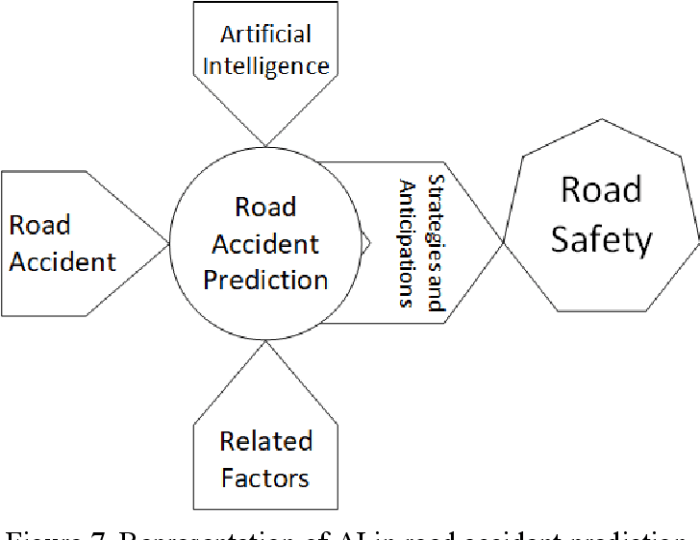
Artificial Intelligence App Predicting Traffic Jams An Overview
Artificial intelligence app for predicting traffic jams are revolutionizing urban mobility, offering commuters and city planners unprecedented insights into traffic patterns. These applications leverage vast datasets and sophisticated algorithms to forecast congestion, enabling users to navigate routes more efficiently and mitigate the frustrations of gridlock. This exploration delves into the inner workings of these AI-powered tools, from data collection and machine learning techniques to user interface design and ethical considerations.
We will examine the intricate processes by which these apps gather real-time data from diverse sources, including GPS data, road sensors, and weather information. Furthermore, we will investigate the core machine learning techniques employed, such as neural networks and decision trees, and compare their respective strengths and weaknesses. The analysis will also extend to the user-facing features and functionalities that enhance user experience, along with the ethical implications surrounding data privacy and security.
This will culminate in a discussion of future trends and developments in this rapidly evolving field.
How does an artificial intelligence application gather real-time data to predict traffic congestion?
Artificial intelligence (AI) applications designed for traffic congestion prediction rely on a multifaceted approach to data collection and processing. This involves aggregating real-time information from various sources, analyzing it, and generating predictions about future traffic conditions. The accuracy of these predictions hinges on the quality and diversity of the data ingested, as well as the sophistication of the AI algorithms employed.
The process can be broken down into data acquisition, data processing, and prediction generation.
Primary Data Sources
The AI application leverages a diverse range of data sources to build a comprehensive understanding of traffic dynamics. These sources, when combined, offer a rich dataset that facilitates accurate congestion prediction.
- GPS Data: This is a primary source of real-time traffic information. Data is gathered from various sources:
- Vehicle GPS Devices: Data from navigation systems, smartphones with location services enabled, and embedded GPS units in vehicles provide speed, location, and direction information. This is often the most granular data source, providing updates at frequent intervals.
- Probe Data: This refers to aggregated, anonymized GPS data from a large number of vehicles. The AI application uses probe data to calculate average speeds and travel times on different road segments.
- Road Sensors: These are devices embedded in the road surface or mounted alongside roadways that detect the presence, speed, and volume of vehicles. Road sensors provide highly accurate, localized data about traffic flow.
- Loop Detectors: These are electromagnetic sensors buried in the road surface that detect the presence of vehicles passing over them.
- Radar Sensors: Radar sensors use radio waves to measure the speed and distance of vehicles.
- Infrared Sensors: These sensors detect the presence and movement of vehicles by measuring the infrared radiation emitted by them.
- Weather Information: Weather conditions significantly impact traffic flow. The application incorporates weather data from various sources:
- Weather Services: Real-time weather data, including precipitation, visibility, and wind speed, is acquired from weather services and meteorological agencies.
- Weather Sensors: Roadside weather stations provide localized weather data.
- Incident Reports: Information about accidents, road closures, and other incidents is crucial for predicting congestion.
- Police and Emergency Services: Reports from these services provide timely information about incidents.
- Social Media and Crowdsourcing: Information from platforms like Twitter and Waze can also provide information about incidents.
Data Processing and Integration
The application’s ability to integrate and process data from diverse sources is fundamental to its predictive capabilities. This involves several key steps.
- Data Preprocessing: Raw data from each source undergoes cleaning and preprocessing to ensure consistency and accuracy. This includes handling missing data, filtering out erroneous readings, and converting data into a standardized format.
- Data Fusion: Data from different sources is combined to create a comprehensive view of traffic conditions. This involves correlating GPS data with road sensor readings and weather information to create a detailed picture of traffic flow.
- Feature Engineering: Relevant features are extracted from the data to feed into the machine learning models. Examples include average speed, traffic density, travel time, weather conditions, and incident information.
- Machine Learning Models: The AI application employs machine learning models to analyze the processed data and generate predictions.
- Regression Models: These models, such as linear regression, support vector regression, and gradient boosting, are used to predict continuous variables like travel time and traffic speed.
- Time Series Models: Models like ARIMA (Autoregressive Integrated Moving Average) and its variants are used to analyze temporal patterns in traffic data and forecast future traffic conditions.
- Neural Networks: Deep learning models, particularly recurrent neural networks (RNNs) like LSTMs (Long Short-Term Memory), are used to capture complex relationships and long-term dependencies in traffic data, improving the accuracy of predictions.
- Model Training and Validation: Machine learning models are trained on historical data and validated on test data to ensure their accuracy and generalizability. This process involves optimizing model parameters and evaluating performance metrics.
Example Situations
The effectiveness of the AI application is best illustrated through examples of its successes and failures.
Accurate Prediction: In a major metropolitan area, the application accurately predicted a traffic jam on a major highway due to heavy rainfall and an accident reported via police and social media. The AI application, by integrating real-time weather data indicating heavy rainfall, GPS data showing slowing speeds in a particular area, and incident reports confirming an accident, predicted a significant increase in travel time for commuters.
This prediction allowed commuters to adjust their routes or departure times, thus avoiding the worst of the congestion. This was achieved using a combination of a gradient boosting model to predict travel time and an LSTM to model the impact of the accident.
Prediction Failure: Conversely, the AI application may fail when confronted with unforeseen circumstances or data limitations. For example, if a major sporting event unexpectedly ends early, causing a sudden surge of vehicles onto the road network, the application might underestimate the resulting congestion. The application’s failure could be attributed to the lack of pre-event data, as well as the limited availability of data to account for the abrupt end time of the event.
The application’s reliance on historical data and real-time sensor data would not be sufficient to account for the dynamic, non-linear change in traffic flow.
What are the key machine learning techniques utilized within these traffic prediction applications?
Artificial intelligence applications for traffic prediction rely heavily on machine learning algorithms to analyze complex datasets and forecast future congestion. These algorithms enable the system to identify patterns, make predictions, and adapt to changing traffic conditions. The effectiveness of these applications hinges on the selection and implementation of appropriate machine learning techniques.
Machine Learning Methods for Traffic Prediction
Several machine learning methods are fundamental to the predictive capabilities of AI-driven traffic applications. These methods are designed to handle the complexities inherent in traffic data, such as non-linearity, temporal dependencies, and high dimensionality.
- Neural Networks: Neural networks, particularly deep learning architectures like Recurrent Neural Networks (RNNs) and Convolutional Neural Networks (CNNs), are highly effective. RNNs are well-suited for processing sequential data like traffic flow, allowing them to capture temporal dependencies. CNNs, on the other hand, can be used to analyze spatial relationships in traffic data, such as traffic patterns on adjacent roads. These networks are trained on vast datasets of historical traffic information, including speed, volume, and incidents, to learn complex relationships and make accurate predictions.
For example, a neural network could analyze the impact of a previous accident on traffic flow several hours later.
- Decision Trees and Ensemble Methods: Decision trees offer a simpler, more interpretable approach. They build a tree-like structure of decisions based on input features, such as time of day, day of the week, and weather conditions. Ensemble methods, such as Random Forests and Gradient Boosting, combine multiple decision trees to improve prediction accuracy and robustness. Random Forests use a collection of decision trees trained on different subsets of the data, while Gradient Boosting sequentially trains trees, with each tree correcting the errors of its predecessors.
- Support Vector Machines (SVMs): SVMs are used for both classification and regression tasks. In traffic prediction, they can be employed to classify traffic conditions (e.g., free flow, congestion) or predict continuous variables like travel time. SVMs aim to find the optimal hyperplane that separates data points into different classes or minimizes the prediction error.
Comparison of Machine Learning Approaches
Different machine learning approaches offer distinct strengths and weaknesses in traffic prediction. The choice of method depends on factors such as the complexity of the traffic patterns, the availability of data, and the desired accuracy and interpretability.
| Machine Learning Approach | Strengths | Weaknesses | Use Cases |
|---|---|---|---|
| Neural Networks (RNNs/CNNs) | High accuracy in capturing complex, non-linear relationships; Can handle large datasets; Effective at modeling temporal and spatial dependencies. | Computationally expensive; Requires large amounts of training data; Can be difficult to interpret; Prone to overfitting. | Predicting traffic flow on highways and urban roads; Forecasting travel times; Incident detection. |
| Decision Trees and Ensemble Methods (Random Forests, Gradient Boosting) | Relatively easy to interpret; Can handle both categorical and numerical data; Robust to outliers; Often perform well with limited data. | Decision trees can be prone to overfitting; Ensemble methods can be computationally intensive; Accuracy may be lower than neural networks for very complex scenarios. | Predicting traffic congestion at specific locations; Identifying the impact of specific events on traffic; Short-term traffic forecasting. |
| Support Vector Machines (SVMs) | Effective in high-dimensional spaces; Relatively robust to outliers; Can be used for both classification and regression. | Computationally expensive for large datasets; Parameter tuning can be complex; Performance can be sensitive to the choice of kernel. | Classifying traffic states (e.g., free flow vs. congested); Predicting travel times; Identifying traffic incidents. |
Adaptation and Learning from Historical Data
These machine learning techniques continuously adapt and learn from historical traffic patterns to improve future predictions. The process typically involves the following steps:
- Data Collection and Preprocessing: Real-time data from various sources, such as sensors, GPS devices, and traffic cameras, is collected and preprocessed. This includes cleaning the data, handling missing values, and transforming the data into a suitable format for the machine learning algorithms.
- Model Training: The preprocessed data is used to train the machine learning model. The model learns the relationships between different traffic variables and the resulting traffic conditions. For example, the model might learn that a higher volume of traffic during rush hour leads to congestion.
- Prediction and Evaluation: Once the model is trained, it can be used to make predictions about future traffic conditions. The model’s performance is then evaluated using various metrics, such as Mean Absolute Error (MAE) and Root Mean Squared Error (RMSE).
- Model Refinement: Based on the evaluation results, the model is refined and retrained periodically with new data. This iterative process allows the model to adapt to changing traffic patterns and improve its accuracy over time.
What are the various user interface features and functionalities typically incorporated into such an AI-driven traffic application?
AI-driven traffic applications are designed to provide users with a comprehensive and intuitive experience, leveraging real-time data and advanced algorithms to optimize travel. The user interface (UI) is critical for presenting complex information in a clear and actionable manner. Effective UI design ensures users can easily understand traffic conditions, plan routes, and make informed decisions, ultimately saving time and reducing stress.
The following sections detail key features and design considerations.
Real-Time Traffic Maps, Route Optimization, and Estimated Travel Times
The core functionality of these applications revolves around providing users with essential information for navigating traffic.
- Real-Time Traffic Maps: These maps display current traffic conditions using a color-coded system. Green typically indicates free-flowing traffic, yellow signifies moderate congestion, and red represents heavy traffic or delays. The map updates dynamically, reflecting changes in traffic flow as they occur. For example, Google Maps utilizes data from various sources, including user-contributed information, to provide highly accurate real-time traffic updates.
- Route Optimization: The application analyzes real-time traffic data to suggest the most efficient route between a user’s origin and destination. The algorithm considers factors such as distance, traffic congestion, road closures, and potential delays. Users often have the option to choose between different routes, each displaying the estimated travel time and distance. For instance, a user might be presented with an option to take a slightly longer route to avoid a major traffic jam.
- Estimated Travel Times: Accurate travel time predictions are crucial for user planning. The AI model estimates the time required to travel along a chosen route, considering current traffic conditions and historical data. These estimations are continuously updated as traffic conditions change. Waze, for example, is known for its ability to provide highly accurate travel time estimates, often adjusting them in real-time based on traffic fluctuations.
Design Elements and User Interface Considerations
Several design elements contribute to the user-friendliness and intuitiveness of these applications. Clear visualization is a primary focus.
- Clear Visualization: The use of color-coding, icons, and intuitive map layouts is essential for presenting complex information in an easily understandable format. For example, the map may display incidents such as accidents or construction zones with distinct icons, making it easy for users to quickly identify potential delays.
- User-Friendly Interface: A clean and uncluttered interface is important. The design should prioritize ease of use, with intuitive navigation and clear calls to action. The user should be able to quickly access essential information without being overwhelmed by unnecessary details.
- Customization Options: Users often appreciate the ability to customize the application to suit their preferences. This can include setting preferred routes, specifying modes of transportation, and adjusting notification settings.
Notification System Example
An effective notification system provides users with timely and relevant information, helping them to proactively manage their travel plans.
The notification system can alert users about significant traffic incidents along their route, suggesting alternative routes or notifying them of estimated delays. For instance, if a user is driving and the system detects a major accident ahead, it can instantly send a notification proposing a detour with an updated estimated arrival time. The notification could include a map snippet highlighting the incident and the proposed alternative route.
What are the benefits that users experience when utilizing these artificial intelligence traffic applications?

Artificial intelligence-powered traffic applications offer a multitude of advantages to users, transforming the daily commute from a stressful ordeal into a more efficient and manageable experience. These benefits extend beyond mere convenience, positively impacting travel time, fuel consumption, and overall well-being. The core function of these applications revolves around predicting traffic congestion, enabling users to make informed decisions that optimize their journeys.
Reduced Travel Time and Enhanced Efficiency
One of the most significant benefits is the reduction in travel time. By analyzing real-time data and predicting congestion hotspots, these applications suggest alternative routes that bypass bottlenecks and minimize delays. This proactive approach allows users to avoid standstill traffic, ultimately arriving at their destinations sooner. The impact on travel time is substantial, particularly in urban areas where traffic congestion is prevalent.
Studies have shown that users of AI-driven navigation systems can save an average of 15-20% on their commute time.
This is achieved through dynamic route optimization, constantly recalculating the fastest path based on evolving traffic conditions. For example, a user traveling from downtown to the suburbs might be initially directed on a main highway. As the AI application detects a developing traffic jam ahead, it will reroute the user onto a less congested side road, leading to a faster and more efficient journey.
This is a critical advantage, especially for individuals with tight schedules.
Fuel Efficiency and Cost Savings
The ability to avoid traffic jams and optimize routes directly translates into improved fuel efficiency. Idling in traffic consumes a significant amount of fuel without covering any distance. By choosing less congested routes, users reduce the time their vehicles spend idling, resulting in lower fuel consumption and associated costs.
The US Department of Transportation estimates that traffic congestion wastes billions of gallons of fuel annually.
By avoiding congested routes, users contribute to reducing these fuel expenditures. Furthermore, these applications often incorporate features that suggest eco-friendly driving behaviors, such as maintaining a consistent speed and avoiding rapid acceleration and braking, further enhancing fuel efficiency. The long-term impact on personal finances and environmental responsibility is considerable.
Stress Reduction and Improved Commuting Experience
The constant anxiety associated with unpredictable traffic conditions can significantly impact a driver’s well-being. AI-powered traffic applications mitigate this stress by providing accurate and up-to-date information, allowing users to anticipate potential delays and plan accordingly. Knowing about traffic incidents or congestion in advance enables drivers to adjust their routes or departure times, creating a more relaxed and less stressful commuting experience.
This proactive approach empowers users to take control of their journey, reducing the frustration and anxiety associated with traffic.
Contribution to a Sustainable Transportation Ecosystem
These applications contribute to a more sustainable transportation ecosystem in several key ways.
- Reduced Emissions: By minimizing idling time and promoting fuel-efficient driving, these applications directly contribute to a reduction in greenhouse gas emissions.
- Improved Air Quality: Lower emissions translate to improved air quality, particularly in urban areas where traffic congestion is most severe.
- Optimized Traffic Flow: By directing traffic away from congested areas, these applications help to optimize overall traffic flow, reducing the likelihood of gridlock.
- Promotion of Public Transportation: The applications can suggest public transportation options, thereby encouraging a shift towards more sustainable modes of transport.
- Support for Electric Vehicle Adoption: Real-time traffic data can assist in electric vehicle charging strategies, contributing to the adoption of more sustainable vehicles.
How do these artificial intelligence applications address the ethical considerations related to data privacy and security?
Artificial intelligence-powered traffic prediction applications, while offering significant benefits, operate within a complex ethical landscape, particularly concerning user data privacy and security. The core functionality of these applications relies on the collection and analysis of real-time location data, which inherently raises significant privacy concerns. Developers must navigate these ethical challenges to build trustworthy and responsible applications that protect user rights while providing valuable services.
Privacy Concerns Associated with Location Data
The collection and utilization of user location data for traffic prediction raise several privacy concerns. This data, often obtained through GPS signals from smartphones or data from connected vehicles, can reveal sensitive information about an individual’s movements, habits, and even personal associations.
- Tracking and Profiling: Continuous location tracking enables the creation of detailed user profiles. Algorithms can analyze travel patterns to infer an individual’s home, workplace, frequent destinations, and daily routines. This information can be used for targeted advertising, discriminatory practices, or even surveillance.
- Risk of Re-identification: Even if data is initially anonymized, there is a risk of re-identification. By combining location data with other publicly available information or through sophisticated analytical techniques, it might be possible to link anonymized data points back to specific individuals. This is especially true in areas with sparse populations or unique travel patterns.
- Data Breaches and Misuse: Location data, if compromised in a data breach, can expose individuals to significant risks. Malicious actors could use this information for stalking, theft, or other harmful purposes. Furthermore, the misuse of location data by companies or governments raises concerns about surveillance and control.
- Informed Consent and Transparency: Users may not fully understand the extent to which their location data is being collected, used, and shared. Lack of transparency and inadequate informed consent can erode user trust and violate privacy rights. Clear and concise privacy policies are crucial.
Security Measures for Data Protection, Artificial intelligence app for predicting traffic jams
To mitigate the risks associated with location data, developers implement various security measures. These measures are designed to protect user data from unauthorized access, breaches, and misuse.
- Data Encryption: Encryption is a fundamental security practice that protects data both in transit and at rest. All data transmitted between user devices, servers, and other data sources should be encrypted using strong encryption algorithms, such as AES (Advanced Encryption Standard). Encryption ensures that even if data is intercepted, it is unreadable without the decryption key.
- Data Anonymization and Pseudonymization: These techniques aim to de-identify user data, making it difficult or impossible to link data points back to specific individuals. Anonymization involves removing or masking all personally identifiable information (PII) such as names, phone numbers, and unique device identifiers. Pseudonymization replaces PII with pseudonyms, allowing for data analysis without revealing the user’s identity directly.
- Access Control and Authentication: Strict access controls limit who can access user data and what they can do with it. Multi-factor authentication (MFA) is used to verify the identity of users attempting to access sensitive data. These controls prevent unauthorized access and minimize the risk of data breaches.
- Regular Security Audits and Penetration Testing: Independent security audits and penetration testing are performed to identify vulnerabilities in the system. These audits assess the effectiveness of security measures and identify potential weaknesses that need to be addressed.
- Data Minimization: The principle of data minimization dictates that only the minimum necessary data should be collected and retained. Developers should avoid collecting unnecessary location data and delete data when it is no longer needed.
- Secure Data Storage: Data should be stored in secure data centers with robust physical and digital security measures. These centers employ firewalls, intrusion detection systems, and other security controls to protect against unauthorized access.
Balancing Accuracy and Privacy
Developers must carefully balance the need for accurate traffic predictions with the ethical responsibility to protect user privacy. This involves making informed decisions about data collection, processing, and sharing.
- Aggregation and Differential Privacy: Data aggregation involves combining individual location data points into larger, anonymous groups. This makes it more difficult to identify individual users. Differential privacy adds noise to the data to further protect user privacy while still allowing for meaningful analysis.
- Transparency and User Control: Users should have clear and concise information about how their data is being used. They should also have control over their data, including the ability to opt-out of data collection or request deletion of their data.
- Purpose Limitation: Data should only be used for the specific purpose of traffic prediction. It should not be used for other purposes, such as marketing or surveillance, without explicit user consent.
- Regular Review and Adaptation: Privacy practices should be regularly reviewed and updated to reflect changes in technology, regulations, and user expectations. This includes staying informed about emerging privacy threats and implementing appropriate countermeasures.
- Collaboration and Ethical Frameworks: Developers should collaborate with privacy experts, ethicists, and regulatory bodies to establish ethical frameworks for data collection and use. This collaboration helps ensure that applications are developed and operated in a responsible and privacy-respecting manner.
How do the predictions made by these applications integrate with other smart city initiatives?
AI-driven traffic prediction applications are not isolated entities; they are integral components of broader smart city ecosystems. Their predictive capabilities facilitate enhanced traffic management, optimized public transportation, and contribute to overall urban efficiency. These applications provide crucial data and insights that can be leveraged across various smart city initiatives, creating a synergistic effect that improves the quality of life for city residents.
Traffic Management System Integration
These applications play a pivotal role in modern traffic management systems. Their ability to forecast traffic congestion allows for proactive measures to mitigate potential bottlenecks and improve overall traffic flow.
- Dynamic Route Optimization: The applications can integrate with navigation systems and traffic control centers to dynamically adjust traffic light timings based on predicted congestion patterns. This allows for optimized routes for vehicles, minimizing travel times and reducing fuel consumption.
- Incident Detection and Response: By analyzing real-time data, these applications can identify incidents, such as accidents or road closures, and predict their impact on traffic flow. This enables faster response times from emergency services and traffic management teams, minimizing delays.
- Adaptive Traffic Light Control: Using predicted traffic volumes, traffic lights can be programmed to adapt their timing dynamically. This can prevent traffic jams at intersections by adjusting green light durations based on anticipated demand, ensuring efficient flow.
Public Transportation Optimization
The insights generated by these applications extend beyond individual vehicle traffic, offering significant benefits to public transportation systems.
- Bus Route Optimization: The predictive models can analyze traffic patterns to optimize bus routes and schedules. This can involve rerouting buses to avoid congested areas, adjusting departure times, and ensuring that buses arrive on time.
- Demand Prediction: These applications can predict passenger demand based on historical data and real-time traffic conditions. This information enables public transit authorities to deploy resources efficiently, such as increasing the frequency of buses or trains during peak hours.
- Integrated Ticketing and Information Systems: Predictions can be integrated into passenger information systems, providing real-time updates on travel times and potential delays. This improves the overall passenger experience by keeping commuters informed and allowing them to make informed travel decisions.
Scenario: Collaboration with Public Transit
Consider a scenario in a city with a robust public transit system. The AI application predicts a significant increase in traffic congestion on a major arterial road due to a planned event. The application’s insights are immediately relayed to the public transit authority. The authority, in turn, takes several actions:
- Increased frequency of bus services on parallel routes, which offers an alternative to avoid the congested arterial road.
- Pre-emptive rerouting of certain bus lines to avoid the predicted bottleneck, preventing delays for passengers.
- Deployment of additional transit staff at key stations to manage the increased passenger flow and provide real-time travel information.
What are the limitations and potential drawbacks associated with the widespread use of artificial intelligence traffic prediction apps?
The proliferation of AI-driven traffic prediction applications, while offering significant advantages, is not without its limitations. These drawbacks stem from various factors, including data dependencies, algorithmic biases, susceptibility to manipulation, and the impact of unforeseen events. Understanding these limitations is crucial for responsible deployment and effective mitigation strategies.
Reliance on Accurate Data
The accuracy of traffic prediction apps is fundamentally tied to the quality and availability of the data they ingest. The more reliable and comprehensive the data, the more accurate the predictions. However, several challenges exist in this regard.
- Data Scarcity and Availability: Certain areas may have limited sensor coverage, leading to data gaps and inaccurate predictions. Rural areas, for example, often lack the density of sensors and connected vehicles found in urban centers. This disparity creates a bias in the application’s performance, favoring areas with richer data sources.
- Data Quality Issues: The data itself can be flawed. Sensor malfunctions, communication errors, and inconsistencies in data formats can introduce noise and errors into the predictive models. Incorrect speed readings from faulty sensors, for instance, can lead to inaccurate congestion forecasts.
- Data Heterogeneity: Traffic data comes from diverse sources, including GPS data from vehicles, mobile phone location data, traffic cameras, and weather reports. Integrating and harmonizing these disparate datasets is a complex task. Incompatibilities in data formats, update frequencies, and levels of detail can compromise the predictive accuracy.
- Real-Time Data Latency: There is an inherent delay in the availability of real-time data. This latency can impact the application’s ability to react to rapidly changing traffic conditions. A sudden accident that is not immediately reflected in the data feed can lead to the application making inaccurate predictions about the resulting congestion.
Impact of Unforeseen Events
Traffic patterns are inherently dynamic and can be significantly disrupted by unpredictable events. These events pose a significant challenge to the accuracy of AI-driven prediction models.
- Accidents and Incidents: Accidents, vehicle breakdowns, and other incidents are major disruptors of traffic flow. Predicting these events is extremely difficult, as they often occur randomly. When an incident occurs, the application must quickly adapt to the new traffic conditions, which can be challenging, particularly if the incident is not immediately reported or data is slow to update.
- Weather Conditions: Severe weather, such as heavy rain, snow, or fog, can significantly reduce visibility and increase travel times. These conditions also increase the likelihood of accidents. While weather data can be incorporated into prediction models, the models may struggle to accurately predict the precise impact of unpredictable weather events.
- Special Events: Large-scale events, such as concerts, sporting events, and festivals, can generate substantial traffic congestion. Predicting the impact of these events requires accurate information about the event itself, the expected attendance, and the associated parking and transportation infrastructure. If the application does not have access to this information, its predictions will be inaccurate.
- Infrastructure Disruptions: Road closures due to construction, maintenance, or other infrastructure-related issues can also significantly affect traffic flow. These disruptions are often temporary but can create significant congestion. The application must be able to incorporate information about road closures in real time to provide accurate predictions.
Potential Biases in Algorithms
AI algorithms are trained on data, and if the training data contains biases, the resulting predictions will reflect those biases. This can lead to unfair or inaccurate outcomes for certain user groups or locations.
- Data Bias: If the training data is not representative of the entire population or the road network, the algorithm may exhibit biases. For example, if the training data predominantly reflects traffic patterns in affluent areas, the predictions may be less accurate in lower-income areas.
- Algorithmic Bias: The algorithms themselves can introduce biases. Certain algorithms may be more prone to overestimating or underestimating congestion in specific situations. For instance, an algorithm designed for urban environments might perform poorly in rural areas with different traffic patterns.
- Bias Amplification: If the application is used by a large number of users, it can inadvertently amplify existing biases. For example, if the application consistently recommends routes that favor certain areas or user groups, it can exacerbate congestion in those areas.
- Lack of Transparency: The complexity of some AI algorithms, such as deep learning models, can make it difficult to understand why they are making certain predictions. This lack of transparency can make it challenging to identify and mitigate biases.
How can developers improve the accuracy and reliability of artificial intelligence traffic prediction applications?: Artificial Intelligence App For Predicting Traffic Jams

The accuracy and reliability of AI-driven traffic prediction applications are paramount for their practical utility. Continuous improvement is crucial, necessitating a multi-faceted approach involving algorithm refinement, data source expansion, and iterative feedback mechanisms. Developers must consistently strive to optimize these applications to ensure they provide dependable and valuable insights to users, minimizing errors and maximizing the benefits of intelligent traffic management.
Strategies for Enhancing Prediction Accuracy
Enhancing the precision of traffic predictions requires a combination of sophisticated algorithmic adjustments, an expansion of data sources, and the incorporation of real-time feedback loops. These strategies work synergistically to provide a more comprehensive and accurate understanding of traffic dynamics.* Algorithm Refinement: Machine learning models form the core of these applications. Refining existing algorithms or experimenting with more advanced models such as Graph Neural Networks (GNNs) can lead to improved accuracy.
GNNs excel at capturing the complex spatial relationships within traffic networks, allowing them to model how congestion propagates through interconnected roads.
Employing techniques like transfer learning, where pre-trained models are adapted to specific geographic regions, can reduce training time and improve performance, particularly in areas with limited historical data.
Fine-tuning hyperparameters, the settings that control a model’s learning process, is also crucial. This involves optimizing parameters such as learning rate, batch size, and the number of hidden layers to improve the model’s ability to identify patterns and predict traffic flow.
Expanding Data Sources
The quality and quantity of data significantly influence the accuracy of predictions.
Integrating data from diverse sources, including GPS data from vehicles, mobile phone location data, weather reports, and event calendars, provides a more holistic view of traffic conditions.
The use of connected vehicle data, which includes information on vehicle speed, braking, and acceleration, provides more granular insights into traffic behavior.
Analyzing data from traffic cameras and sensors, such as loop detectors, can offer real-time information on traffic volume and speed.
Incorporating Real-time Feedback
Implementing mechanisms to capture and utilize real-time feedback is vital for continuous improvement.
Incorporating real-time traffic updates from users, such as reports of accidents or road closures, can quickly adjust predictions to reflect current conditions.
Establishing feedback loops that allow users to rate the accuracy of predictions can help identify areas where the model is underperforming.
Continuously monitoring model performance and retraining models with new data ensures they remain relevant and accurate over time.
Best Practices for Maintaining and Updating Applications
Maintaining and updating AI-driven traffic prediction applications necessitates a structured approach to ensure they remain effective, reliable, and up-to-date. The following best practices are essential for long-term success.* Regular Model Retraining: Regularly retrain the machine learning models with the latest data to account for changes in traffic patterns, road conditions, and external factors. This helps prevent model degradation and ensures continued accuracy.
The frequency of retraining depends on the rate of change in the traffic environment.
Automated Data Validation
Implement automated systems to validate the quality and integrity of incoming data. This includes checking for missing data, outliers, and inconsistencies that could negatively impact model performance.
Version Control and Rollback
Use version control systems to manage model updates and provide a means to roll back to previous versions if new deployments lead to performance degradation. This protects against unexpected errors and ensures business continuity.
Comprehensive Testing
Conduct thorough testing of model updates before deployment, including A/B testing, to evaluate their impact on accuracy and reliability. Testing should encompass a range of traffic scenarios and conditions.
Documentation and Monitoring
Maintain detailed documentation of model architecture, training procedures, and data sources. Implement robust monitoring systems to track model performance, identify anomalies, and provide alerts when performance thresholds are breached.
Measuring the Impact of Improvements
Developers can use A/B testing and other methods to quantitatively measure the impact of improvements to the AI models. This approach allows for a data-driven assessment of the effectiveness of each enhancement.* A/B Testing: A/B testing involves deploying two versions of the application, one with the original model (A) and another with the improved model (B). Randomly assigning users to each version allows developers to compare their performance.
Metrics such as prediction accuracy, user satisfaction, and time saved are compared. For example, the accuracy of predicting traffic delays on a specific route could be measured.
Statistical Analysis
Statistical methods, such as t-tests and ANOVA, can be used to determine if the differences in performance between the two versions are statistically significant. This provides confidence in the findings and helps to avoid drawing conclusions based on random variations.
Key Performance Indicators (KPIs)
Define and track relevant KPIs to measure the impact of improvements. These KPIs might include:
Prediction Accuracy
Percentage of predictions that accurately reflect real-world traffic conditions.
Root Mean Squared Error (RMSE)
A measure of the average difference between predicted and actual traffic speeds.
Mean Absolute Error (MAE)
The average magnitude of the errors in traffic speed predictions.
User Satisfaction
Measured through surveys or feedback forms.
Iterative Approach
Adopt an iterative approach, where improvements are tested, analyzed, and refined based on the results. This cycle of improvement ensures continuous optimization and ultimately leads to more accurate and reliable traffic predictions.
What future trends and developments are expected in the field of artificial intelligence traffic prediction?
The field of artificial intelligence (AI) traffic prediction is poised for significant advancements, driven by the convergence of emerging technologies and the increasing availability of data. These developments promise to revolutionize traffic management and urban mobility, leading to more efficient, sustainable, and user-friendly transportation systems. The evolution will encompass more sophisticated AI models, the integration of autonomous vehicles, and the deployment of edge computing.
Integration of Autonomous Vehicles
The integration of autonomous vehicles (AVs) is a critical trend. As AVs become more prevalent, they will generate vast amounts of real-time data on their movements, speeds, and surrounding environments. This data, combined with existing traffic information, will significantly enhance the accuracy and granularity of traffic predictions.
- Data Fusion: AVs will serve as mobile sensors, providing a continuous stream of data to improve prediction accuracy. The algorithms will learn the driving patterns of autonomous vehicles and integrate them to enhance the reliability of traffic predictions.
- Dynamic Route Optimization: The AI will be able to reroute AVs in real-time to avoid congestion, thereby optimizing overall traffic flow. For example, if an accident occurs on a major highway, the system will instantly reroute AVs along alternative routes, reducing delays and preventing further congestion.
- Cooperative Driving: The AI could facilitate cooperative driving between AVs, allowing them to coordinate their movements and further improve traffic efficiency.
Use of Edge Computing
Edge computing will play a pivotal role in enabling real-time traffic prediction. Instead of relying solely on centralized cloud servers, edge computing involves processing data closer to the source, such as at traffic cameras, roadside units, and within vehicles themselves. This reduces latency and improves the speed of predictions.
- Reduced Latency: Processing data at the edge minimizes the time it takes to analyze traffic patterns and generate predictions, allowing for quicker responses to changing traffic conditions.
- Improved Scalability: Edge computing allows for a more distributed and scalable system, capable of handling the increasing volume of data generated by connected vehicles and smart infrastructure.
- Enhanced Privacy: Processing sensitive data at the edge can help protect user privacy by minimizing the amount of data that needs to be transmitted to the cloud.
Application of More Sophisticated AI Models
Advancements in AI algorithms will lead to more accurate and reliable traffic predictions. These include the use of deep learning models, such as recurrent neural networks (RNNs) and graph neural networks (GNNs), to analyze complex traffic patterns.
- Deep Learning: Deep learning models, particularly RNNs, can analyze sequential data, such as traffic flow over time, to identify patterns and predict future congestion. For example, a model trained on historical traffic data can predict the likelihood of a traffic jam forming at a specific location at a certain time of day.
- Graph Neural Networks: GNNs can model the relationships between different road segments and traffic nodes, improving the understanding of traffic propagation.
- Hybrid Models: Combining different AI models, such as deep learning and traditional statistical methods, can further improve prediction accuracy and robustness.
Potential Future Interface
The next generation of traffic prediction apps will feature a highly interactive and intuitive interface. The user interface will incorporate real-time traffic data, personalized route suggestions, and predictive analytics in an integrated manner.A potential future interface might display a dynamic map with color-coded road segments indicating traffic conditions (green for free-flowing, yellow for moderate congestion, and red for heavy congestion).
Users will be able to tap on a specific road segment to view detailed information, such as the cause of congestion, estimated delay times, and alternative routes. The app will provide personalized route suggestions based on the user’s preferences, such as the fastest route, the most fuel-efficient route, or the route with the fewest tolls. The app will also integrate augmented reality (AR) features, superimposing traffic information directly onto the user’s view of the road through the smartphone’s camera, providing a heads-up display of traffic conditions.
Furthermore, the interface will offer predictive analytics, highlighting potential congestion areas based on historical data and real-time events, such as weather conditions or scheduled events. Users could also receive proactive notifications about potential delays, allowing them to adjust their routes or departure times.
Last Word
In conclusion, artificial intelligence app for predicting traffic jams represent a significant advancement in urban transportation, offering tangible benefits for users and contributing to more sustainable and efficient cities. While challenges remain, including data accuracy, ethical considerations, and unforeseen events, the ongoing advancements in AI and data analytics promise even more sophisticated and effective traffic prediction capabilities. The future of urban mobility is undeniably intertwined with the continued development and integration of these intelligent applications, paving the way for smoother commutes and smarter cities.
Popular Questions
How often are traffic predictions updated?
Predictions are typically updated in real-time, often every few minutes, to reflect the latest traffic conditions and incorporate new data.
Do these apps work in all locations?
The accuracy and availability of these apps depend on the availability of data sources like GPS, road sensors, and network coverage. Performance may vary in remote areas.
How can I report inaccurate traffic information?
Most apps allow users to report incorrect traffic data through feedback mechanisms, helping to improve the accuracy of future predictions.
Are these apps secure and private?
Developers implement various security measures, including encryption and anonymization techniques, to protect user data. Users should review the app’s privacy policy.