Artificial Intelligence App for Monitoring Blood Pressure An Overview
Artificial intelligence app for monitoring blood pressure is revolutionizing healthcare, promising more proactive and personalized patient care. These applications leverage sophisticated algorithms to analyze data from wearable sensors and manual inputs, providing real-time insights into cardiovascular health. This detailed exploration delves into the core AI principles, design considerations, technical specifications, ethical implications, regulatory landscape, integration strategies, potential impacts, distinguishing features, challenges, future trends, and evaluation methodologies of these innovative technologies.
This comprehensive analysis examines the inner workings of AI-powered blood pressure monitoring, from the fundamental AI algorithms like machine learning and deep learning that power these apps to the types of sensors used, such as optical and piezoelectric sensors. We’ll explore the design of user-friendly interfaces, ethical considerations like data privacy, and the complex regulatory environment that governs these medical devices.
Furthermore, the discussion will encompass how these apps integrate with existing healthcare systems, their potential impact on patient outcomes and costs, and the unique features that distinguish them from traditional methods. This overview will also address the challenges and limitations of these applications and look at the future trends and innovations shaping this rapidly evolving field.
The fundamental principles of artificial intelligence that power blood pressure monitoring applications are essential to understand.
Artificial intelligence (AI) has revolutionized various aspects of healthcare, and blood pressure monitoring is no exception. These applications leverage sophisticated algorithms and data processing techniques to provide accurate and personalized blood pressure readings. Understanding the core AI principles, data sources, and model architectures is crucial to appreciating the capabilities and limitations of these technologies.
Core AI Algorithms for Blood Pressure Monitoring
Machine learning and deep learning algorithms form the backbone of AI-powered blood pressure monitoring. These algorithms enable the applications to learn patterns, identify anomalies, and make predictions based on input data.
- Machine Learning: Machine learning algorithms, such as Support Vector Machines (SVMs) and Random Forests, are commonly used for blood pressure prediction. These algorithms are trained on datasets containing various features, including heart rate, pulse wave velocity, and demographic information. The model learns to map these features to corresponding blood pressure values. For instance, an SVM can be trained to classify blood pressure readings into different categories (e.g., normal, elevated, high) based on the input data.
- Deep Learning: Deep learning, a subset of machine learning, utilizes artificial neural networks with multiple layers (deep neural networks) to extract complex patterns from data. Recurrent Neural Networks (RNNs), particularly Long Short-Term Memory (LSTM) networks, are frequently employed for analyzing time-series data from wearable sensors. LSTMs are effective at capturing the temporal dependencies in blood pressure readings, enabling the model to predict future blood pressure trends.
Convolutional Neural Networks (CNNs) can also be used to analyze data from oscillometric devices, where blood pressure is estimated from the oscillations of the cuff.
- Data Preprocessing and Feature Engineering: Before feeding data into these algorithms, preprocessing steps such as noise reduction, outlier removal, and data normalization are performed. Feature engineering involves extracting relevant features from the raw data, such as the mean, standard deviation, and frequency components of the pulse wave. These features are then used as input for the machine learning or deep learning models.
Data Sources and Processing
Blood pressure monitoring applications rely on a variety of data sources, each contributing to the accuracy and comprehensiveness of the readings. The data is then processed through various stages to generate blood pressure estimations.
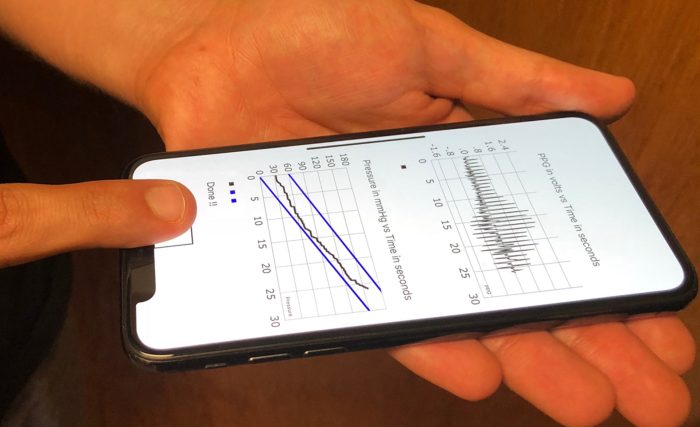
- Wearable Sensors: Wearable devices, such as smartwatches and armbands, are a primary data source. These devices typically use optical sensors (photoplethysmography or PPG) to measure heart rate and pulse wave characteristics. They can also incorporate other sensors like accelerometers and gyroscopes to track activity levels and body position, which can influence blood pressure readings. The raw data from these sensors are time-series data, meaning data points are recorded sequentially over time.
- Manual Input: Users can manually input blood pressure readings from traditional sphygmomanometers (blood pressure cuffs) or other medical devices. This allows the application to incorporate data from various sources and to calibrate the algorithms. The manual input data is usually paired with the data from the wearable sensors to train the model.
- Data Processing Pipeline: The data processing pipeline typically involves several stages. First, the raw data from sensors are preprocessed to remove noise and outliers. Feature extraction then identifies relevant features from the data, such as heart rate variability (HRV) or pulse transit time (PTT). Finally, these extracted features are used as input for the AI algorithms to predict blood pressure values.
AI Model Architecture: An Example
A common AI model architecture for blood pressure monitoring employs a combination of deep learning and signal processing techniques. This architecture allows the app to learn from the data and adapt to individual user characteristics.
- Model Architecture: A hybrid architecture can combine a CNN for feature extraction from PPG signals and an LSTM network for temporal analysis. The CNN can process short segments of the PPG signal to identify patterns associated with blood pressure changes. The LSTM network then processes the CNN’s output over time, capturing the dynamic changes in blood pressure. The final layer of the network provides the predicted systolic and diastolic blood pressure values.
- Training and Validation: The model is trained on a large dataset of paired PPG data and blood pressure readings. The dataset is split into training, validation, and testing sets. The training set is used to adjust the model’s parameters, while the validation set is used to evaluate the model’s performance during training and tune the hyperparameters. The testing set is used to evaluate the final model’s performance on unseen data.
- Performance Metrics: The model’s performance is evaluated using metrics such as Mean Absolute Error (MAE), Root Mean Squared Error (RMSE), and the percentage of readings within the accuracy limits defined by the Association for the Advancement of Medical Instrumentation (AAMI). For example, a model might be considered accurate if its MAE for systolic blood pressure is less than 5 mmHg and the RMSE is less than 8 mmHg.
- Real-World Example: Several commercially available blood pressure monitoring apps use similar architectures. For instance, some apps have been tested in clinical trials and shown to have a correlation of over 0.8 with reference blood pressure measurements. These apps provide a valuable tool for individuals to monitor their blood pressure trends and manage their cardiovascular health.
The design considerations for a user-friendly artificial intelligence application are important for its success.
Designing a user-friendly artificial intelligence (AI) application for blood pressure monitoring is crucial for its adoption and effectiveness. The success of such an application hinges on its ability to provide clear, actionable insights in an easily understandable format. This necessitates careful consideration of interface elements, personalization options, and the overall user experience to ensure the app is both informative and engaging.
Interface Elements for Intuitive User Experience
An intuitive user interface (UI) is paramount for any successful application. This is especially true for health-related applications, where users may be less tech-savvy or experience anxiety related to their health data.Data visualization is a cornerstone of an effective blood pressure monitoring application.
- Graphical Representations: Instead of simply displaying numerical values, the app should use clear and concise graphs to illustrate blood pressure trends over time. Line graphs are effective for showing changes in systolic and diastolic readings, while bar charts can be used to visualize average readings across different time periods (e.g., daily, weekly, monthly). Color-coding (e.g., green for healthy, yellow for pre-hypertension, and red for high blood pressure) should be employed to provide immediate visual cues about the user’s blood pressure status.
- Interactive Elements: Allow users to interact with the graphs by zooming in on specific periods or tapping on data points to reveal the exact reading at that time. This level of detail allows for a deeper understanding of blood pressure fluctuations.
- Data Summarization: Provide concise summaries of blood pressure readings. This could include the average systolic and diastolic readings, the highest and lowest readings, and the percentage of readings within a healthy range.
Clear and timely feedback is essential for building user trust and ensuring the app’s usefulness.
- Instantaneous Feedback: Provide immediate feedback after each blood pressure measurement. The app should display the reading alongside a clear interpretation of its meaning (e.g., “Normal,” “Elevated,” “High Blood Pressure”).
- Contextual Information: Offer contextual information to help users understand their readings. For example, if a reading is elevated, the app could provide information about potential causes (e.g., stress, caffeine intake) and recommendations for improvement (e.g., relaxation techniques, reduced caffeine consumption).
- Progress Tracking: Show users their progress over time. This could involve displaying a trend line showing the user’s blood pressure readings over a specific period or providing a summary of their blood pressure readings compared to previous readings.
Ease of navigation is critical for a positive user experience.
- Simple Menu Structure: The app should have a clear and intuitive menu structure. Key features, such as data logging, data visualization, and settings, should be easily accessible from the main screen.
- Minimalist Design: Avoid cluttering the interface with unnecessary information. The design should be clean and uncluttered, with a focus on readability and ease of use.
- Accessibility: The app should be designed with accessibility in mind. This includes providing options for users with visual impairments, such as adjustable font sizes and high-contrast color schemes.
Personalized Settings and User Engagement
Personalized settings play a vital role in enhancing user engagement and tailoring the app to individual needs. These settings allow users to customize the app to fit their specific health goals and preferences, increasing the likelihood of long-term use.Customizable alert thresholds are crucial for providing timely warnings.
- Setting Alert Levels: Allow users to set personalized alert thresholds for systolic and diastolic blood pressure readings. This ensures that the app alerts users only when their readings are outside of their desired range, reducing the likelihood of false alarms.
- Alert Frequency: Enable users to customize the frequency of alerts. Some users may prefer to receive alerts immediately after each elevated reading, while others may prefer to receive alerts only after multiple elevated readings or at specific times of the day.
- Alert Notifications: Offer a variety of notification options, such as sound, vibration, and visual alerts, allowing users to choose the option that best suits their needs and preferences.
Data logging preferences should accommodate different user needs.
- Automatic Data Logging: Enable automatic data logging, allowing the app to automatically record blood pressure readings from connected devices (e.g., blood pressure monitors).
- Manual Data Entry: Provide the option for manual data entry for users who prefer to enter their readings manually or who use blood pressure monitors that are not compatible with the app.
- Data Export Options: Allow users to export their blood pressure data in various formats (e.g., CSV, PDF) for sharing with their healthcare providers or for personal analysis.
Hypothetical User Interaction Scenario, Artificial intelligence app for monitoring blood pressure
Consider a user named Sarah, who has recently been diagnosed with pre-hypertension. Sarah downloads the AI-powered blood pressure monitoring app.The initial setup involves the following steps:
- Account Creation: Sarah creates an account by providing her name, age, and email address.
- Device Pairing: Sarah pairs the app with her Bluetooth-enabled blood pressure monitor. The app provides clear instructions on how to connect the device.
- Personalization: Sarah enters her target blood pressure range, set by her doctor. She also sets up personalized alert thresholds, specifying that she wants to be notified if her systolic reading exceeds 130 mmHg or her diastolic reading exceeds 85 mmHg.
After the setup, Sarah begins taking her blood pressure readings regularly.Interpreting the blood pressure readings involves these steps:
- Reading Display: After each measurement, the app displays Sarah’s systolic and diastolic readings. For example, the app shows “135/88 mmHg.”
- Interpretation: The app interprets the reading, displaying “Elevated Blood Pressure” with a corresponding color-coded indicator (e.g., yellow).
- Contextual Information: The app provides contextual information, such as a reminder to take a deep breath and relax before the next measurement, as stress can elevate blood pressure.
- Data Visualization: Sarah views a graph illustrating her blood pressure trends over the past week. The graph shows a clear upward trend, prompting her to contact her doctor.
- Data Sharing: Sarah uses the app to export her blood pressure data in a PDF format and shares it with her doctor, providing valuable insights into her blood pressure fluctuations.
The technical specifications of sensors integrated with artificial intelligence applications are critical for functionality.
The integration of sensors with artificial intelligence (AI) is pivotal for the accurate and efficient monitoring of blood pressure. The choice of sensor technology and its associated technical specifications directly impact the reliability, precision, and overall performance of the AI-driven application. Understanding the nuances of sensor types, data communication protocols, and performance characteristics is crucial for developing effective and user-friendly blood pressure monitoring systems.
This section delves into the technical aspects of sensors commonly employed in these applications.
Sensor Types and Their Advantages and Limitations
The effectiveness of AI-powered blood pressure monitoring hinges on the quality of data provided by the sensors. Various sensor technologies are utilized, each with its unique advantages and limitations.
- Optical Sensors: These sensors typically employ photoplethysmography (PPG) to measure blood volume changes in the peripheral blood vessels. PPG sensors emit light and measure the amount of light reflected or transmitted by the tissues.
- Advantages: Non-invasive, relatively inexpensive, and can be integrated into wearable devices like smartwatches.
- Limitations: Susceptible to motion artifacts, ambient light interference, and variations in skin pigmentation, which can affect the accuracy of readings. Accuracy may also be compromised during periods of physical activity.
- Piezoelectric Sensors: These sensors convert mechanical pressure into electrical signals. In blood pressure monitoring, they can be used in cuff-based devices or integrated into wearable systems to detect pulse waves.
- Advantages: Can provide accurate blood pressure readings, particularly in cuff-based systems.
- Limitations: Cuff-based systems can be cumbersome and less convenient for continuous monitoring. Wearable piezoelectric sensors may require precise placement and calibration.
- Other Sensor Technologies: Research and development continue to explore alternative sensor technologies, including those based on microelectromechanical systems (MEMS) and ultrasound. These technologies offer potential advantages in terms of accuracy, miniaturization, and non-invasiveness. However, they are often more complex and expensive to implement.
Data Communication Protocols and Standards
The seamless integration of sensors with AI applications relies on robust data communication protocols and standards. These protocols define how data is transmitted from the sensor to the processing unit, ensuring reliable and efficient data transfer.
- Bluetooth Low Energy (BLE): Widely used in wearable devices and connected health applications. It provides a low-power, short-range wireless communication protocol suitable for transmitting sensor data to smartphones, tablets, or dedicated hubs.
- Wi-Fi: Enables high-speed data transfer and allows for direct integration with cloud-based platforms for data storage, analysis, and remote monitoring.
- USB: Commonly used for wired connections in cuff-based blood pressure monitors and other medical devices.
- Data Standards: Standards such as Health Level Seven (HL7) and Fast Healthcare Interoperability Resources (FHIR) are crucial for ensuring interoperability and facilitating the exchange of patient data between different healthcare systems and applications. These standards enable the secure and standardized transmission of blood pressure readings and other relevant medical information.
Technical Specifications Comparison
The following table provides a comparison of the technical specifications of three different blood pressure monitoring sensors. Note that these are illustrative examples, and actual specifications may vary depending on the specific sensor model.
| Sensor Type | Measurement Principle | Accuracy | Data Communication | Power Source |
|---|---|---|---|---|
| Optical (PPG) Smartwatch | Photoplethysmography (light reflection) | +/- 5 mmHg (systolic/diastolic, under ideal conditions) | Bluetooth Low Energy (BLE) | Rechargeable Lithium-ion battery (typical battery life: 1-7 days) |
| Cuff-based Piezoelectric Monitor | Oscillometric method with pressure sensing | +/- 3 mmHg (systolic/diastolic) | USB, Bluetooth (optional) | AA batteries or AC adapter |
| Wearable Piezoelectric Patch | Pulse wave detection | +/- 5 mmHg (systolic/diastolic, with regular calibration) | Bluetooth Low Energy (BLE) | Coin cell battery (typical battery life: 1-2 days) |
The ethical considerations and data privacy concerns associated with using artificial intelligence applications need careful attention.
The integration of artificial intelligence (AI) into blood pressure monitoring applications presents significant ethical challenges that demand meticulous consideration. These applications, designed to collect, analyze, and interpret sensitive health data, have the potential to revolutionize healthcare. However, their use also raises complex issues related to data security, algorithmic bias, user consent, and the responsible handling of personal information. Addressing these concerns is crucial to ensure the ethical deployment and widespread adoption of AI-powered blood pressure monitoring technologies.
Failure to do so could erode public trust, hinder innovation, and potentially lead to harmful outcomes.
Data Security and Privacy Breaches
Data security is paramount when dealing with health-related information. The sensitivity of blood pressure data makes it a high-value target for malicious actors. Breaches can lead to identity theft, financial fraud, and the exposure of sensitive medical conditions. Robust security measures are necessary to safeguard user data.
- Encryption: Data encryption, both in transit and at rest, is a fundamental security practice. Encryption transforms data into an unreadable format, rendering it useless to unauthorized individuals. Strong encryption algorithms, such as Advanced Encryption Standard (AES) with a key length of 256 bits, are essential for robust protection.
AES-256: A widely used symmetric encryption algorithm that provides a high level of security.
- Access Controls: Implementing strict access controls limits data access to authorized personnel only. This includes role-based access control (RBAC), which grants permissions based on job function, and multi-factor authentication (MFA) to verify user identities.
- Regular Audits and Monitoring: Regular security audits and continuous monitoring of system activity are crucial for detecting and responding to potential threats. Security Information and Event Management (SIEM) systems can help identify and alert security breaches.
- Secure Storage: Data should be stored in secure environments, such as encrypted databases or cloud services with robust security protocols. Compliance with standards like HIPAA (Health Insurance Portability and Accountability Act) is crucial for applications handling protected health information in the United States.
Algorithmic Bias and Fairness
Algorithmic bias can lead to inaccurate or discriminatory outcomes. AI models trained on biased datasets may produce biased predictions, potentially affecting the accuracy of blood pressure readings for certain demographic groups. Addressing bias requires careful data curation and model validation.
- Data Diversity: Training datasets must be diverse and representative of the populations that will use the application. This involves collecting data from various ethnicities, age groups, and socioeconomic backgrounds.
- Bias Detection and Mitigation: Developers should employ techniques to detect and mitigate bias in their algorithms. This can include fairness-aware machine learning algorithms and regular audits of model performance across different demographic groups.
- Model Validation: Rigorous model validation is necessary to ensure that the application performs accurately and fairly across all user groups. This includes testing the model on hold-out datasets and comparing its performance to established clinical standards.
- Explainable AI (XAI): Implementing XAI techniques helps understand how AI models make decisions. This transparency can help identify and address sources of bias within the model.
User Consent and Transparency
Obtaining informed consent from users is a cornerstone of ethical AI development. Users must be fully informed about how their data will be collected, used, and protected. Transparency builds trust and empowers users to make informed decisions about their health data.
- Clear and Concise Language: Consent forms and privacy policies should be written in clear, easy-to-understand language, avoiding technical jargon.
- Detailed Data Usage Disclosure: Users must be informed about how their data will be used, including the types of data collected, the purpose of data analysis, and the potential risks and benefits.
- Data Sharing Policies: Clearly Artikel whether data will be shared with third parties, such as healthcare providers or researchers. If data sharing is permitted, specify who the data will be shared with and the purposes of such sharing.
- User Control: Provide users with control over their data, including the ability to access, modify, and delete their information. Users should also have the option to withdraw their consent at any time.
- Regular Updates: Regularly update privacy policies and consent forms to reflect changes in data handling practices or regulations. Users should be notified of any significant changes.
Privacy-Enhancing Technologies
Privacy-enhancing technologies (PETs) play a crucial role in protecting user data. These technologies aim to minimize data exposure while still enabling the functionality of AI-powered applications.
- Data Anonymization and Pseudonymization: These techniques remove or replace personally identifiable information (PII) with pseudonyms or aggregate data. This reduces the risk of re-identification and data breaches.
Anonymization: Irreversible process of removing all PII.
Pseudonymization: Replacing PII with pseudonyms, allowing for data analysis while protecting user identities. - Differential Privacy: This technique adds noise to data to protect individual privacy while preserving the overall statistical properties of the dataset.
- Federated Learning: This approach allows AI models to be trained on decentralized data without directly sharing the raw data. This is particularly useful for sensitive health data.
- Secure Multi-Party Computation (SMPC): SMPC enables multiple parties to jointly compute a function on their private inputs without revealing those inputs to each other. This is applicable in situations where multiple entities want to analyze data without sharing their raw data.
The regulatory landscape and compliance requirements that govern artificial intelligence applications in healthcare are complex.: Artificial Intelligence App For Monitoring Blood Pressure
The integration of artificial intelligence (AI) into healthcare, particularly for applications like blood pressure monitoring, introduces a complex web of regulatory requirements designed to protect patient safety, privacy, and data security. Navigating this landscape is crucial for developers to ensure their applications are compliant and can be successfully deployed. Failure to comply can result in significant penalties, including financial fines and the inability to market the application.
This section explores the key regulations, approval processes, and compliance measures necessary for AI-powered blood pressure monitoring applications.
Relevant Regulations: HIPAA and GDPR
The development and deployment of AI-powered blood pressure monitoring applications are primarily governed by regulations designed to protect sensitive patient data. Two of the most significant are the Health Insurance Portability and Accountability Act (HIPAA) in the United States and the General Data Protection Regulation (GDPR) in the European Union. Understanding and adhering to these regulations is paramount.HIPAA sets standards for the protection of Protected Health Information (PHI).
This includes any individually identifiable health information, such as blood pressure readings, medical history, and demographic data. Key aspects of HIPAA compliance include:
- Privacy Rule: This rule establishes national standards for the protection of PHI. It dictates how covered entities (healthcare providers, health plans, and healthcare clearinghouses) can use and disclose PHI. AI application developers must ensure their applications adhere to these standards, particularly regarding data minimization, purpose limitation, and patient access to their data.
- Security Rule: This rule Artikels security standards for protecting electronic PHI (ePHI). Developers must implement administrative, physical, and technical safeguards to ensure the confidentiality, integrity, and availability of ePHI. This includes measures like encryption, access controls, and regular security audits.
- Breach Notification Rule: This rule mandates that covered entities must notify individuals, the Department of Health and Human Services (HHS), and, in some cases, the media, following a breach of unsecured PHI. The AI application must have robust breach detection and response plans in place.
GDPR, applicable to organizations processing the personal data of individuals within the EU, has a broader scope than HIPAA. It applies even if the organization is not based in the EU. Key GDPR principles include:
- Lawfulness, Fairness, and Transparency: Data processing must be lawful, fair, and transparent. Users must be informed about how their data is collected, used, and protected. This requires clear and concise privacy policies.
- Purpose Limitation: Data must be collected for specified, explicit, and legitimate purposes. The AI application’s use of blood pressure data should be clearly defined and limited to its intended purpose, such as monitoring and providing insights.
- Data Minimization: Only data necessary for the specified purposes should be collected and processed. Avoid collecting unnecessary patient data.
- Accuracy: Data must be accurate and kept up to date. The application should have mechanisms for data validation and correction.
- Storage Limitation: Data should be retained only as long as necessary for the specified purposes. Establish clear data retention policies.
- Integrity and Confidentiality: Data must be processed securely. Implement robust security measures to protect data from unauthorized access, use, or disclosure.
- Accountability: Organizations must be able to demonstrate compliance with GDPR. This includes maintaining records of processing activities and conducting data protection impact assessments (DPIAs) when processing is likely to result in a high risk to the rights and freedoms of natural persons.
Process of Obtaining Regulatory Approvals
Obtaining regulatory approval for medical devices, including AI-powered blood pressure monitoring applications, involves a rigorous process. The specific requirements vary depending on the regulatory body and the intended use of the device.In the United States, the Food and Drug Administration (FDA) is responsible for regulating medical devices. The FDA classifies medical devices based on their risk level. Blood pressure monitoring applications would likely fall under Class II or Class III devices, depending on their complexity and the potential risk to patients.
The FDA’s premarket approval (PMA) process is the most stringent, required for higher-risk devices. A less demanding process is the 510(k) clearance, which is applicable for devices that are substantially equivalent to a legally marketed device.The approval process typically involves:
- Device Classification: Determining the appropriate device classification based on its risk profile.
- Pre-submission Meeting (Optional): Meeting with the FDA to discuss the device and the proposed regulatory pathway.
- Premarket Submission: Submitting a comprehensive application to the FDA, including:
- Device description and intended use.
- Manufacturing information.
- Performance data.
- Clinical trial data (if required).
- Labeling and instructions for use.
- Clinical Trials (if required): Conducting clinical trials to demonstrate the safety and effectiveness of the device. This involves enrolling patients, collecting data, and analyzing the results. The trials must be designed to meet FDA requirements, including ethical considerations and statistical rigor.
- Performance Validation: Validating the application’s performance against established benchmarks and clinical standards. This may involve testing the accuracy, reliability, and usability of the application.
- FDA Review: The FDA reviews the application and supporting data. This can take several months or even years, depending on the complexity of the device and the completeness of the submission.
- Approval/Clearance: If the FDA determines that the device is safe and effective, it will issue either a 510(k) clearance or a PMA.
In the EU, medical devices are regulated under the Medical Device Regulation (MDR). The MDR requires manufacturers to demonstrate compliance with essential requirements related to safety and performance. This often involves:
- Conformity Assessment: Assessing the device’s compliance with the MDR requirements. This can involve self-certification or the involvement of a notified body.
- Clinical Evaluation: Conducting a clinical evaluation to demonstrate the safety and performance of the device.
- Technical Documentation: Preparing comprehensive technical documentation that describes the device, its design, manufacturing, and performance.
- Post-Market Surveillance: Implementing a system for monitoring the device’s performance after it is placed on the market.
Essential Compliance Measures
To meet regulatory standards, developers of AI-powered blood pressure monitoring applications must implement a range of compliance measures. These measures should be integrated throughout the development lifecycle, from design to deployment and ongoing maintenance.
- Data Security: Implement robust security measures to protect patient data from unauthorized access, use, or disclosure. This includes:
- Encryption of data at rest and in transit.
- Access controls and user authentication.
- Regular security audits and penetration testing.
- Incident response plans to address security breaches.
- Data Privacy: Adhere to data privacy regulations, such as HIPAA and GDPR. This includes:
- Obtaining informed consent from patients for data collection and use.
- Providing clear and concise privacy policies.
- Implementing data minimization and purpose limitation.
- Providing patients with the right to access, correct, and delete their data.
- Algorithm Validation: Validate the accuracy, reliability, and fairness of the AI algorithms. This includes:
- Testing the algorithms on diverse datasets.
- Monitoring the algorithms’ performance over time.
- Addressing any biases in the algorithms.
- Documenting the algorithm’s performance and limitations.
- Usability and User Interface: Design the application with a focus on usability and user-friendliness. This includes:
- Providing clear and concise instructions.
- Ensuring the application is easy to navigate.
- Testing the application with end-users.
- Documentation and Record Keeping: Maintain comprehensive documentation of the application’s development, testing, and validation. This includes:
- Detailed design specifications.
- Testing results.
- Training data.
- Algorithm documentation.
- Change logs.
- Post-Market Surveillance: Implement a system for monitoring the application’s performance after it is released. This includes:
- Collecting user feedback.
- Monitoring for adverse events.
- Updating the application as needed to address any issues.
The integration of artificial intelligence applications with existing healthcare systems is crucial for interoperability.
The successful implementation of AI-powered blood pressure monitoring applications hinges on their ability to seamlessly integrate with existing healthcare infrastructure. This integration is not merely about data transfer; it’s about fostering a cohesive ecosystem where data flows freely, enabling clinicians to make informed decisions and patients to receive optimized care. Interoperability, the ability of different systems to exchange and use data, is paramount in achieving this goal.
This section explores the methods used for integrating such applications with Electronic Health Records (EHRs) and other medical platforms, the challenges encountered, and the opportunities presented.
Methods for Integrating with EHRs and Other Medical Platforms
The integration of an AI-powered blood pressure monitoring application with existing healthcare systems requires a multi-faceted approach, employing various technologies and standards to ensure data exchange and compatibility. Several methods are commonly employed:
- API Integration: Application Programming Interfaces (APIs) serve as the primary conduits for data exchange. The AI application exposes APIs that allow other systems, such as EHRs, to request and receive data. These APIs adhere to established standards, ensuring data is formatted consistently and securely. This method enables real-time data synchronization, allowing clinicians to view blood pressure readings, trends, and AI-driven insights directly within the EHR interface.
- HL7 Standards: Health Level Seven International (HL7) standards provide a framework for exchanging, integrating, sharing, and retrieving electronic health information. HL7 messages are used to transmit data between the AI application and EHR systems. For example, an HL7 message can be used to send a patient’s blood pressure reading to the EHR system after it has been measured and analyzed by the AI application.
This ensures data is formatted consistently and allows for automated data exchange.
- FHIR Implementation: Fast Healthcare Interoperability Resources (FHIR) is a more modern standard, designed to improve data exchange in healthcare. FHIR offers a flexible, standards-based approach to exchanging health information using web-based technologies. The AI application can utilize FHIR APIs to communicate with EHRs and other systems, facilitating seamless data integration. This allows for easier access and use of data across different platforms.
- Data Warehousing and ETL Processes: For systems that cannot directly integrate via APIs or HL7/FHIR, data warehousing and Extract, Transform, Load (ETL) processes are often employed. The AI application extracts data, transforms it into a compatible format, and loads it into a central data warehouse. EHRs and other systems can then access the data from the warehouse. This approach allows for historical data analysis and reporting.
- Integration Engines: Specialized integration engines, such as Mirth Connect or Corepoint Health, act as intermediaries, translating data formats and facilitating communication between disparate systems. These engines can handle complex data transformations and routing, ensuring data integrity and interoperability.
A sample API call using the RESTful architecture, which is commonly used for healthcare integrations, demonstrates data exchange:
POST /api/bloodpressure Content-Type: application/json Authorization: Bearer [access_token] "patientId": "12345", "systolic": 130, "diastolic": 85, "timestamp": "2024-10-27T10:00:00Z", "analysis": "riskLevel": "Elevated", "recommendation": "Monitor blood pressure regularly and consult with a physician."
This example shows a POST request to an API endpoint that receives blood pressure data. The request includes the patient ID, systolic and diastolic readings, the timestamp, and AI-driven analysis results. The `Authorization` header includes an access token for secure access.
Challenges and Opportunities in Data Sharing
Achieving seamless data sharing across different healthcare environments presents several challenges and significant opportunities.
- Data Standardization: One of the primary challenges is the lack of universal data standards across all healthcare systems. Different EHR systems may use different data formats, terminologies, and coding systems. Overcoming this requires the use of established standards such as HL7, FHIR, and the implementation of data mapping and transformation processes.
- Security and Privacy: Protecting patient data is paramount. Integrating AI applications requires robust security measures, including encryption, access controls, and adherence to data privacy regulations such as HIPAA (in the United States) and GDPR (in Europe). Secure data transmission protocols and regular security audits are essential.
- Interoperability Barriers: Some EHR systems are not designed for easy integration with external applications. Proprietary systems and vendor lock-in can hinder data exchange. The industry is moving towards more open standards, but legacy systems remain a challenge.
- Data Quality and Accuracy: The accuracy of data is critical for reliable AI analysis. Ensuring data quality requires data validation, cleansing, and governance processes. Inconsistent data entry or inaccurate sensor readings can compromise the AI application’s performance.
- Scalability: As the number of patients and data volume increase, the integration system must be scalable to handle the load. Cloud-based solutions and efficient data processing techniques are crucial for scalability.
The opportunities arising from seamless data sharing are numerous.
- Improved Clinical Decision-Making: Access to real-time, integrated data empowers clinicians to make more informed decisions. The AI application can provide valuable insights, identify trends, and flag potential health risks, leading to earlier interventions and better patient outcomes.
- Enhanced Patient Engagement: Integrated data allows patients to access their blood pressure readings and AI-driven insights through patient portals and mobile applications. This empowers patients to actively manage their health and collaborate with their healthcare providers.
- Streamlined Workflows: Automated data exchange reduces manual data entry and administrative tasks, freeing up clinicians’ time to focus on patient care. Integration also improves efficiency by providing a unified view of patient data.
- Advancement of Research and Innovation: Aggregated and anonymized data can be used for research and development, leading to new insights into cardiovascular health and the development of improved AI algorithms.
- Cost Reduction: By improving efficiency, reducing errors, and enabling early interventions, seamless data sharing can contribute to cost savings in healthcare.
The potential impact of artificial intelligence applications on patient outcomes and healthcare costs is significant.
Artificial intelligence (AI) applications are poised to revolutionize blood pressure monitoring, promising substantial improvements in patient outcomes and significant reductions in healthcare expenditures. The ability of AI to analyze vast datasets, identify subtle patterns, and personalize interventions offers a transformative approach to managing hypertension. This section explores the multifaceted impact of AI-powered blood pressure monitoring, focusing on its influence on patient outcomes and its potential for cost savings.
Improving Patient Outcomes
AI-driven blood pressure monitoring applications significantly enhance patient outcomes through several mechanisms. These applications facilitate early detection of hypertension, enabling timely interventions. They also support personalized interventions tailored to individual patient needs and provide continuous remote monitoring, leading to better adherence to treatment plans.AI’s early detection capabilities stem from its capacity to analyze continuous streams of data from wearable devices or home monitoring systems.
These systems can identify subtle deviations from normal blood pressure ranges that might be missed by infrequent clinic visits. For instance, AI algorithms can detect early signs of pre-hypertension or subtle changes in blood pressure patterns indicative of developing cardiovascular disease. Early detection allows for prompt initiation of lifestyle modifications, such as dietary changes or increased physical activity, and/or the early prescription of medication, preventing the progression to more severe stages of hypertension and reducing the risk of associated complications like stroke or heart attack.Personalized interventions are another key benefit.
AI algorithms can analyze a patient’s medical history, lifestyle factors, and blood pressure readings to generate customized treatment recommendations. This could involve adjusting medication dosages, suggesting specific dietary modifications, or recommending personalized exercise programs. For example, an AI system might recommend a specific type of exercise, like brisk walking or cycling, based on the patient’s age, physical condition, and blood pressure response to previous exercise sessions.
Furthermore, AI can predict individual responses to different medications, enabling physicians to prescribe the most effective drugs from the outset, minimizing the trial-and-error approach often used in hypertension treatment.Remote monitoring, enabled by AI-powered devices, allows for continuous tracking of blood pressure outside of the clinical setting. This constant data stream provides a comprehensive picture of a patient’s blood pressure fluctuations throughout the day and night, as well as their response to treatment.
Remote monitoring also facilitates improved patient adherence to medication and lifestyle recommendations. AI can send reminders to take medication, offer motivational support, and provide feedback on progress. This level of engagement can significantly improve patient outcomes.
Potential for Cost Savings
AI-powered blood pressure monitoring applications hold the potential to generate substantial cost savings within the healthcare system. These savings are primarily achieved by reducing hospital readmissions, preventing costly complications associated with uncontrolled hypertension, and improving medication adherence.Reducing hospital readmissions is a primary driver of cost savings. Uncontrolled hypertension is a major contributor to hospitalizations, particularly for cardiovascular events like heart failure and stroke.
By enabling early detection, personalized interventions, and remote monitoring, AI-powered applications can help prevent these events, thereby reducing the need for hospital admissions and the associated costs.Preventing complications associated with uncontrolled hypertension also contributes to cost savings. Chronic hypertension can lead to a range of complications, including kidney disease, vision loss, and peripheral artery disease, all of which require expensive and ongoing medical care.
By effectively managing blood pressure, AI applications can help prevent or delay the onset of these complications, leading to significant cost reductions over the long term.Improved medication adherence is another critical factor in cost savings. Poor medication adherence is a widespread problem, contributing to poor health outcomes and increased healthcare costs. AI-powered applications can improve adherence through medication reminders, personalized feedback, and patient education.
Improved adherence translates directly to better blood pressure control, reducing the risk of complications and hospitalizations, and ultimately lowering healthcare costs.The quantifiable benefits of using AI-powered blood pressure monitoring applications in a healthcare setting are:
- Reduced Hospital Readmissions: Studies have shown that remote monitoring programs can reduce hospital readmission rates by up to 30% for patients with chronic conditions like hypertension. For example, a study published in the
-Journal of the American Medical Association* found a significant reduction in hospitalizations among patients with heart failure who used remote monitoring systems. - Decreased Emergency Room Visits: Early detection and proactive management can lead to a decrease in the number of emergency room visits related to hypertensive crises.
- Improved Medication Adherence: AI-powered reminders and personalized support have been shown to increase medication adherence rates by 15-20%.
- Prevention of Complications: Effective blood pressure control can significantly reduce the incidence of complications such as stroke, heart attack, and kidney disease, leading to a reduction in associated treatment costs.
- Optimized Medication Management: AI can help identify the most effective medication regimens for individual patients, potentially reducing the need for costly trial-and-error approaches and associated side effects.
- Enhanced Patient Engagement: AI-driven platforms can increase patient engagement in their care, leading to improved self-management and better health outcomes.
- Cost-Effectiveness: Although the initial investment in AI-powered systems may be substantial, the long-term cost savings associated with reduced hospitalizations, fewer complications, and improved medication adherence can result in a positive return on investment. For example, studies have demonstrated that remote patient monitoring programs for chronic conditions are cost-effective, with some showing a return on investment within a year.
The features of artificial intelligence that distinguish it from traditional blood pressure monitoring methods are crucial.
Artificial intelligence (AI) has revolutionized blood pressure monitoring, offering significant advancements over traditional methods. These advancements extend beyond simple measurement, encompassing real-time analysis, predictive capabilities, and personalized recommendations. The integration of AI into blood pressure monitoring transforms a passive measurement process into an active, intelligent system capable of providing valuable insights for improved cardiovascular health management.
Advantages of AI-Driven Applications
AI-driven blood pressure monitoring applications offer several key advantages compared to conventional methods. These advantages stem from AI’s ability to process vast amounts of data, identify complex patterns, and provide personalized insights.
- Real-Time Analysis: AI algorithms can instantly analyze blood pressure readings and other relevant data, such as heart rate and activity levels, to provide immediate feedback. This contrasts with traditional methods, which typically involve manual interpretation and delayed feedback. For example, a smart blood pressure monitor equipped with AI can detect an elevated reading and immediately alert the user, suggesting lifestyle adjustments or the need for medical consultation.
- Predictive Capabilities: AI excels at identifying trends and predicting future health risks. By analyzing historical blood pressure data, lifestyle factors, and other health metrics, AI algorithms can forecast the likelihood of developing hypertension or experiencing cardiovascular events. This predictive capability enables proactive interventions, such as early lifestyle modifications or preventive medication, potentially mitigating serious health consequences. A study published in the
-Journal of the American Heart Association* demonstrated that AI-powered risk assessment models outperformed traditional risk scores in predicting cardiovascular events in diverse patient populations. - Personalized Recommendations: AI can tailor recommendations to individual users based on their unique health profiles and lifestyle. This personalization extends beyond generic advice, considering factors such as age, gender, ethnicity, pre-existing conditions, and activity levels. For instance, an AI-powered app might recommend specific dietary changes, exercise routines, or medication adjustments based on a user’s blood pressure trends and overall health data.
This customized approach can lead to improved adherence to treatment plans and better health outcomes.
Comparative Analysis: AI Apps vs. Traditional Devices
A comparative analysis highlights the key differences in accuracy, convenience, and accessibility between AI-powered blood pressure monitoring applications and traditional devices.
| Feature | AI-Powered Apps | Traditional Devices |
|---|---|---|
| Accuracy | High; AI algorithms can analyze multiple data points and account for various factors influencing blood pressure, often exceeding the accuracy of manual methods. | Variable; Accuracy depends on proper technique, device calibration, and individual user factors. Manual devices can be prone to human error. |
| Convenience | High; Readings can be taken easily at home or on the go, often with automatic data logging and analysis. Data is readily accessible on smartphones or other devices. | Moderate; Requires manual measurement, recording, and often interpretation. Data storage and tracking can be cumbersome. |
| Accessibility | High; Many AI-powered apps are available on smartphones and other readily accessible devices, increasing accessibility to monitoring and insights. | Moderate; Requires purchase of a blood pressure monitor and may require a visit to a healthcare provider for interpretation and guidance. |
Unique Functionalities of AI in Blood Pressure Monitoring
Artificial intelligence brings unique functionalities to blood pressure monitoring that significantly enhance its effectiveness. These functionalities go beyond simple measurement, offering a more comprehensive and proactive approach to cardiovascular health management. AI can incorporate several unique functionalities:AI-powered applications offer capabilities such as automated anomaly detection, alerting users to potentially dangerous readings or unusual patterns that warrant immediate attention. For instance, the system might flag a rapid spike in blood pressure or a consistently elevated reading, prompting the user to seek medical advice.
AI also facilitates seamless integration with other health data, such as sleep patterns, activity levels, and dietary habits, providing a holistic view of a user’s health. The AI can correlate blood pressure readings with these additional data points to uncover contributing factors and provide more personalized recommendations. Furthermore, AI-driven applications can provide real-time feedback and encouragement, promoting adherence to lifestyle changes and medication regimens.
Through interactive interfaces and personalized insights, these applications empower users to actively manage their blood pressure and improve their cardiovascular health.
The challenges and limitations of artificial intelligence applications in monitoring blood pressure are important to address.

Artificial intelligence (AI) holds significant promise for revolutionizing blood pressure monitoring, offering the potential for continuous, personalized, and proactive healthcare. However, the development and deployment of AI-driven blood pressure monitoring systems are not without significant challenges. Addressing these limitations is crucial to ensure the safety, efficacy, and ethical application of this technology.
Algorithm Bias and Data Quality Issues
Algorithm bias and data quality issues are primary concerns in AI-based blood pressure monitoring. The performance of any AI model is heavily reliant on the data it is trained on. If the training data is not representative of the diverse patient population, the algorithm may exhibit biases, leading to inaccurate readings for certain demographic groups.
- Data Diversity: Training datasets often lack sufficient representation of individuals from various ethnic backgrounds, age groups, and health conditions. This can result in algorithms that perform poorly for underrepresented populations. For example, an algorithm trained primarily on data from Caucasian males may provide less accurate readings for African-American women due to differences in cardiovascular physiology.
- Data Quality: Inaccurate or incomplete data can significantly compromise the accuracy of AI models. Common data quality issues include measurement errors, missing values, and inconsistent labeling. If the training data contains a high proportion of erroneous blood pressure readings, the algorithm will learn from these errors, leading to unreliable predictions.
- Data Preprocessing: Data preprocessing steps, such as data cleaning and feature engineering, can also introduce biases. Decisions made during preprocessing can inadvertently skew the data and affect the algorithm’s performance. Careful attention must be paid to these steps to minimize the introduction of bias.
The Need for Continuous Validation
Continuous validation is essential for maintaining the accuracy and reliability of AI-based blood pressure monitoring systems. AI models are not static; their performance can degrade over time due to various factors, including changes in patient populations, shifts in clinical practice, and the emergence of new health conditions.
- Model Drift: Model drift refers to the decline in a model’s performance over time due to changes in the underlying data distribution. This can occur because the characteristics of the patient population evolve, or because new medical practices are adopted. Regular retraining and validation are necessary to mitigate the effects of model drift.
- External Validation: AI models should be validated on independent datasets that were not used during training. This helps to assess the model’s generalizability and identify potential biases. External validation studies are crucial for demonstrating the model’s performance in real-world clinical settings.
- Regulatory Compliance: Regulatory bodies require rigorous validation and monitoring of AI-based medical devices. These requirements are in place to ensure patient safety and the reliability of medical technologies. Continuous validation is an integral part of maintaining regulatory compliance.
Potential for Algorithmic Errors and Consequences
Algorithmic errors can have serious consequences for patient care. Inaccurate blood pressure readings can lead to misdiagnosis, inappropriate treatment, and adverse health outcomes.
- Misdiagnosis: An algorithm that consistently underestimates blood pressure may lead to the failure to diagnose hypertension, a major risk factor for cardiovascular disease. Conversely, an algorithm that overestimates blood pressure may result in unnecessary medication and potential side effects.
- Treatment Errors: Inaccurate readings can influence treatment decisions, such as the dosage of antihypertensive medications. Over-medication can lead to hypotension and falls, while under-medication can increase the risk of stroke and heart attack.
- Patient Safety: The use of AI in blood pressure monitoring must prioritize patient safety. Careful consideration must be given to the potential risks associated with algorithmic errors, and mitigation strategies must be implemented to minimize these risks.
Visual Representation: Factors Contributing to Errors in AI-Based Blood Pressure Monitoring
The following visual representation describes the key factors that can contribute to errors in AI-based blood pressure monitoring.
Figure 1: Factors Contributing to Errors in AI-Based Blood Pressure Monitoring
[Image Description: A circular diagram, divided into segments, illustrating the factors that contribute to errors in AI-based blood pressure monitoring. At the center is a circle labeled “Algorithmic Errors.” Arrows radiate outwards to connect the central circle to several surrounding segments.]
[Segment 1: “Data Bias”
This segment shows a visual representation of diverse patient groups and is connected to the central circle. The caption reads
“Bias in training data due to underrepresentation of certain demographic groups (e.g., race, age, sex) leading to inaccurate predictions for these groups.”]
[Segment 2: “Data Quality Issues”
This segment shows a visual representation of noisy or incomplete data, such as a graph with missing data points and is connected to the central circle. The caption reads
“Errors in data collection, measurement inaccuracies, missing values, and inconsistent labeling impacting the model’s ability to learn and make accurate predictions.”]
[Segment 3: “Model Drift”
This segment shows a visual representation of a declining performance graph over time and is connected to the central circle. The caption reads
“Performance degradation of the model over time due to changes in patient populations, shifts in clinical practices, or the emergence of new health conditions. Requires regular retraining and validation.”]
[Segment 4: “Sensor Limitations”
This segment shows a visual representation of sensor imperfections and is connected to the central circle. The caption reads
“Errors originating from the sensors used to collect the data, including calibration errors, noise, and measurement inaccuracies. The quality of the sensors can affect the data quality, and thus, the accuracy of the AI model.”]
[Segment 5: “Overfitting”
This segment shows a visual representation of a model that fits the training data too closely, including a graph with a highly complex curve, and is connected to the central circle. The caption reads
“A model that performs well on training data but poorly on new, unseen data, indicating it has learned the training data’s specific details and noise rather than the underlying patterns.”]
[Segment 6: “Lack of Transparency”
This segment shows a visual representation of a “black box” and is connected to the central circle. The caption reads
“Limited interpretability of the model’s decision-making process, making it difficult to understand the reasons behind its predictions and to identify potential errors.”]
[Segment 7: “Regulatory Compliance Issues”
This segment shows a visual representation of regulatory symbols and is connected to the central circle. The caption reads
“Failure to comply with regulatory standards and guidelines for AI-based medical devices can result in delayed adoption and potential legal ramifications.”]
[All segments are connected to the central circle “Algorithmic Errors” by arrows, illustrating their contribution to errors.]
The future trends and innovations in artificial intelligence for blood pressure monitoring are constantly evolving.
The landscape of blood pressure monitoring is poised for a significant transformation, driven by rapid advancements in artificial intelligence (AI). These innovations promise to revolutionize how we detect, manage, and prevent hypertension, ultimately improving patient outcomes and reducing the burden on healthcare systems. This evolution encompasses not only technological breakthroughs in sensor technology and data analysis but also novel applications in drug discovery and personalized medicine.
Emerging Technologies in AI-Powered Blood Pressure Monitoring
Several emerging technologies are shaping the future of AI in blood pressure monitoring. These technologies promise more accurate, convenient, and proactive approaches to managing hypertension.
- Advanced Sensor Technologies: The miniaturization and sophistication of sensors are key drivers of innovation. Next-generation sensors, such as those based on micro-electromechanical systems (MEMS) and flexible electronics, are enabling the development of unobtrusive and continuous blood pressure monitoring devices. These sensors can be integrated into wearable patches, smartwatches, or even clothing, providing real-time data collection without the need for bulky equipment or frequent clinic visits.
Furthermore, research is exploring the use of non-invasive techniques, such as photoplethysmography (PPG) and oscillometry, enhanced by AI algorithms to improve accuracy and reliability. For example, researchers are working on using deep learning models to correct for motion artifacts in PPG signals, leading to more accurate blood pressure readings even during physical activity.
- Wearable Devices and Continuous Monitoring: Wearable devices are becoming increasingly sophisticated, equipped with advanced sensors and AI algorithms. These devices can continuously monitor blood pressure, providing a comprehensive view of a patient’s cardiovascular health over time. The continuous data stream allows for the detection of subtle changes in blood pressure patterns that might be missed by intermittent measurements. This capability is crucial for identifying early signs of hypertension and tailoring treatment plans.
Moreover, wearable devices can integrate with smartphones and cloud platforms, enabling patients to track their blood pressure data, share it with their healthcare providers, and receive personalized feedback and recommendations. The integration of these devices with AI-powered analytics facilitates the identification of risk factors, prediction of adverse events, and optimization of treatment strategies.
- AI in Drug Discovery and Personalized Medicine: AI is transforming drug discovery and development, including the search for new antihypertensive medications. Machine learning algorithms can analyze vast datasets of biological information, such as genomic data, protein structures, and clinical trial results, to identify potential drug targets and predict the efficacy of new drug candidates. This accelerates the drug development process and reduces the cost of bringing new medications to market.
Furthermore, AI is enabling personalized medicine approaches, where treatment plans are tailored to the individual patient’s characteristics. AI algorithms can analyze a patient’s genetic profile, lifestyle factors, and blood pressure data to predict their response to different medications and recommend the most effective treatment regimen. This approach maximizes treatment efficacy while minimizing side effects. For example, AI could analyze a patient’s genetic predispositions to hypertension and their response to various drug classes, such as ACE inhibitors or beta-blockers, to determine the optimal medication.
Hypothetical Scenario: Future AI Integration in Healthcare
Imagine a future where a patient, Sarah, uses an AI-powered wearable device to monitor her blood pressure. The device continuously tracks her readings and, using sophisticated AI algorithms, analyzes her data in real-time. If the AI detects an elevation in Sarah’s blood pressure, it automatically alerts her physician, Dr. Lee, through a telehealth platform. Dr.
Lee can then review Sarah’s data, including her blood pressure trends, activity levels, and dietary habits, all of which are integrated into her electronic health record (EHR).Dr. Lee, using the AI-powered platform, can analyze Sarah’s data and, considering her individual risk factors and response to previous treatments, adjusts her medication dosage remotely. The AI also provides Sarah with personalized recommendations for lifestyle modifications, such as dietary changes and exercise routines, through a connected mobile app.
Sarah can also participate in virtual consultations with a registered dietitian and a certified personal trainer, facilitated by the same telehealth platform. This integrated system allows for proactive and personalized management of Sarah’s hypertension, potentially preventing complications and improving her overall health. The AI system could also flag potential adverse drug interactions or provide early warnings about potential cardiovascular events based on her blood pressure patterns.
Potential Advancements and Innovations
The field of AI for blood pressure monitoring is poised for further advancements, promising significant impacts on healthcare.
- Improved Accuracy and Reliability: Advancements in sensor technology and AI algorithms will lead to more accurate and reliable blood pressure measurements, even in challenging environments such as during physical activity or in patients with irregular heart rhythms. This includes using AI to filter out noise and artifacts from sensor data.
- Personalized Risk Prediction and Management: AI will enable the development of personalized risk prediction models that consider individual patient characteristics, such as genetics, lifestyle, and medical history. This will allow for more targeted interventions and proactive management of hypertension.
- Early Detection and Intervention: AI-powered systems can detect subtle changes in blood pressure patterns that may indicate early signs of hypertension or other cardiovascular problems. This enables early intervention, potentially preventing complications and improving patient outcomes.
- Integration with Healthcare Systems: Seamless integration with EHRs and telehealth platforms will enable healthcare providers to access and utilize blood pressure data more effectively. This will improve communication between patients and providers and facilitate remote monitoring and management of hypertension.
- Drug Discovery and Development: AI will accelerate the drug discovery process, leading to the development of new and more effective antihypertensive medications. This includes using AI to identify novel drug targets and predict the efficacy of new drug candidates.
- Reduced Healthcare Costs: By enabling early detection, proactive management, and personalized treatment, AI-powered blood pressure monitoring can help reduce the incidence of complications associated with hypertension, such as stroke and heart attack. This can lead to significant cost savings for healthcare systems.
The considerations for evaluating the performance and reliability of artificial intelligence applications are essential.
Evaluating the performance and reliability of artificial intelligence (AI) applications designed for blood pressure monitoring is a critical process, directly impacting their clinical utility and patient safety. A rigorous evaluation framework ensures that these applications deliver accurate and consistent results, comparable to or better than existing methods. This evaluation process necessitates a multi-faceted approach, incorporating key performance metrics, comprehensive validation procedures, and robust statistical analysis to assess the AI’s efficacy and dependability.
Key Metrics for Assessing Accuracy, Sensitivity, and Specificity
The assessment of AI-driven blood pressure monitoring systems hinges on a set of core metrics that quantify their accuracy and reliability. These metrics provide a standardized way to compare different AI models and assess their suitability for clinical use.
- Accuracy: Accuracy represents the overall correctness of the AI’s predictions. It is typically calculated as the percentage of correct blood pressure readings (both systolic and diastolic) compared to a reference standard, such as a manual blood pressure measurement taken by a trained healthcare professional using a validated device (e.g., auscultation with a stethoscope and sphygmomanometer, or an automated oscillometric device).
The formula for accuracy is:
Accuracy = (Number of Correct Predictions / Total Number of Predictions)
– 100%For instance, if an AI application correctly identifies 95 out of 100 blood pressure readings, its accuracy is 95%. Higher accuracy signifies the AI is better at providing correct readings.
- Sensitivity (Recall): Sensitivity, also known as recall, measures the AI’s ability to correctly identify individuals with high blood pressure (hypertension). It reflects the proportion of actual hypertensive cases that the AI correctly detects. A high sensitivity is crucial to avoid missing individuals who require treatment.
Sensitivity = (True Positives / (True Positives + False Negatives))
– 100%True positives are the instances where the AI correctly identifies high blood pressure, and false negatives are the instances where the AI fails to identify high blood pressure. If an AI application correctly identifies 80 out of 100 hypertensive patients, its sensitivity is 80%.
- Specificity: Specificity measures the AI’s ability to correctly identify individuals without high blood pressure (normotensive). It indicates the proportion of actual normotensive cases that the AI correctly classifies as such. High specificity is important to avoid misdiagnosing normotensive individuals as hypertensive, which could lead to unnecessary treatment and associated side effects.
Specificity = (True Negatives / (True Negatives + False Positives))
– 100%True negatives are the instances where the AI correctly identifies normal blood pressure, and false positives are the instances where the AI incorrectly identifies normal blood pressure as high. If an AI application correctly identifies 90 out of 100 normotensive patients, its specificity is 90%.
- Precision: Precision, also known as the positive predictive value, measures the proportion of positive identifications that are actually correct. It focuses on the reliability of the positive predictions made by the AI.
Precision = (True Positives / (True Positives + False Positives))
– 100%For example, if the AI application identifies 100 individuals as having high blood pressure, and 90 of them actually have high blood pressure, then the precision is 90%.
- F1-Score: The F1-score is the harmonic mean of precision and recall. It provides a balanced measure of the AI’s performance, considering both false positives and false negatives.
F1-Score = 2
– (Precision
– Recall) / (Precision + Recall)The F1-score is particularly useful when dealing with imbalanced datasets, where one class (e.g., hypertension) has significantly fewer instances than the other (e.g., normotension).
- Mean Absolute Error (MAE): MAE quantifies the average magnitude of the errors between the AI’s predicted blood pressure values and the actual values. It provides a measure of the average difference between the AI’s predictions and the ground truth.
MAE = (1/n)
– Σ |predicted_value – actual_value|where n is the number of predictions. A lower MAE indicates better accuracy.
- Root Mean Squared Error (RMSE): RMSE calculates the square root of the average of the squared differences between the predicted and actual values. It gives more weight to larger errors compared to MAE.
RMSE = √(Σ (predicted_value – actual_value)^2 / n)
RMSE is sensitive to outliers and provides a more comprehensive measure of error than MAE.
Validation Process: Clinical Trials and Real-World Data Analysis
A robust validation process is essential to ensure the reliability and clinical applicability of AI-driven blood pressure monitoring applications. This process involves a combination of controlled clinical trials and real-world data analysis to assess the AI’s performance under various conditions.
- Clinical Trials: Clinical trials are the cornerstone of the validation process. These trials are conducted under controlled conditions, often following established protocols such as those Artikeld by the FDA (in the United States) or other regulatory bodies. The trials typically involve a diverse group of participants, representing a range of ages, ethnicities, and health conditions.
- Study Design: The study design is critical.
Common designs include:
- Prospective, blinded studies: In these studies, neither the participant nor the healthcare provider knows the results of the AI application during the measurement. This helps to minimize bias.
- Comparative studies: These studies compare the AI application’s performance against a reference standard (e.g., auscultatory blood pressure measurement) or another validated blood pressure monitoring device.
- Data Collection: Data collection is meticulously planned. This involves:
- Collecting blood pressure readings using the AI application and the reference standard simultaneously.
- Gathering demographic and medical history information from the participants.
- Ensuring proper calibration and maintenance of all measurement devices.
- Statistical Analysis: Statistical analysis is performed to assess the accuracy, sensitivity, specificity, and other performance metrics. This often includes:
- Calculating the mean difference and standard deviation between the AI application’s readings and the reference standard readings.
- Using Bland-Altman plots to visualize the agreement between the two methods.
- Performing statistical tests, such as t-tests or ANOVA, to compare the performance of the AI application across different subgroups.
- Study Design: The study design is critical.
- Real-World Data Analysis: Real-world data analysis is crucial for evaluating the AI application’s performance in real-world clinical settings. This involves:
- Data Sources: Data can be obtained from:
- Electronic health records (EHRs).
- Remote patient monitoring systems.
- Wearable devices used in routine clinical practice.
- Data Cleaning and Preprocessing: This is necessary to ensure data quality. This involves:
- Identifying and removing erroneous or missing data.
- Addressing data inconsistencies and outliers.
- Standardizing data formats.
- Performance Evaluation: The AI application’s performance is evaluated using the same metrics used in clinical trials. This assessment is carried out on a larger and more diverse patient population.
- Bias Detection and Mitigation: Real-world data analysis helps identify potential biases in the AI application’s performance. For example, the AI might perform differently for certain demographic groups or patients with specific medical conditions. Mitigation strategies may include:
- Retraining the AI model using more diverse data.
- Developing separate models for different subgroups.
- Implementing bias detection algorithms.
- Data Sources: Data can be obtained from:
Detailed Example of Performance Evaluation
A developer can perform a thorough performance evaluation using a structured approach that incorporates statistical analysis and comprehensive reporting. This example illustrates the process.
- Data Acquisition:
- Data Source: Collect blood pressure readings from a clinical trial with 500 participants, including both systolic and diastolic blood pressure measurements from the AI application and a validated reference method (e.g., auscultation).
- Data Preparation: Clean and pre-process the data. This includes handling missing values, identifying outliers, and ensuring data consistency.
- Statistical Analysis:
- Accuracy Calculation: Calculate the percentage of readings where the AI application’s systolic and diastolic blood pressure measurements fall within a predefined acceptable range (e.g., ±5 mmHg) of the reference method.
- Sensitivity and Specificity Calculation: Define hypertension based on a threshold (e.g., systolic ≥ 140 mmHg or diastolic ≥ 90 mmHg). Calculate sensitivity and specificity for the AI application in detecting hypertension.
- Bland-Altman Analysis: Generate a Bland-Altman plot to visualize the agreement between the AI application’s readings and the reference method readings. This plot shows the differences between the two methods plotted against their average, along with the limits of agreement (typically defined as mean difference ± 1.96 standard deviations).
- Mean Absolute Error (MAE) and Root Mean Squared Error (RMSE): Calculate MAE and RMSE to quantify the average magnitude of the errors and the sensitivity to outliers.
- Statistical Tests: Conduct statistical tests, such as paired t-tests, to compare the mean blood pressure readings from the AI application and the reference method.
- Subgroup Analysis: Analyze the performance of the AI application across different subgroups (e.g., age groups, ethnicities, presence of comorbidities) to identify potential biases or differences in performance.
- Reporting:
- Summary Statistics: Present the calculated accuracy, sensitivity, specificity, MAE, RMSE, and the results of statistical tests in a clear and concise manner.
- Bland-Altman Plot: Include the Bland-Altman plot with the limits of agreement.
- Performance by Subgroup: Present the performance metrics for each subgroup to highlight any differences in performance.
- Limitations: Acknowledge any limitations of the study, such as the sample size or the specific population studied.
- Conclusion: Provide a concise conclusion summarizing the AI application’s performance and its potential for clinical use.
- Example Results:
- Accuracy: 92% (within ±5 mmHg of the reference method).
- Sensitivity: 88% (for detecting hypertension).
- Specificity: 94% (for detecting normotension).
- MAE: 3.2 mmHg (for systolic blood pressure).
- RMSE: 4.5 mmHg (for systolic blood pressure).
- Bland-Altman Plot: Showed a mean difference of -0.5 mmHg with limits of agreement of -7.5 to 6.5 mmHg.
- Subgroup Analysis: The AI application performed slightly less accurately in older age groups.
Outcome Summary
In conclusion, the advent of artificial intelligence app for monitoring blood pressure represents a significant leap forward in healthcare technology. From the intricacies of AI algorithms and sensor technology to the ethical and regulatory considerations, this technology offers immense potential for improved patient outcomes, cost savings, and a more proactive approach to cardiovascular health. While challenges remain, the ongoing advancements and innovations in this field promise a future where AI plays an increasingly vital role in managing and improving global health.
Questions Often Asked
How accurate are AI blood pressure apps compared to traditional methods?
The accuracy of AI blood pressure apps varies depending on the technology and validation. Many are comparable to traditional methods, with some offering even greater precision due to continuous monitoring and advanced data analysis. However, it is essential to consider the app’s validation, sensor quality, and adherence to regulatory standards.
What kind of data privacy measures are used in these apps?
AI blood pressure apps employ various privacy-enhancing technologies, including data encryption, anonymization, and adherence to regulations like HIPAA and GDPR. User consent is also a crucial aspect, with developers required to be transparent about data usage and provide users with control over their information.
Can these apps replace regular doctor visits?
AI blood pressure apps are designed to complement, not replace, regular medical check-ups. They offer a valuable tool for continuous monitoring and early detection, allowing users to track their blood pressure trends and share data with their healthcare providers. However, professional medical advice remains essential for diagnosis and treatment.
Are these apps compatible with all smartphones and wearable devices?
Compatibility varies, but most AI blood pressure apps are designed to work with a range of smartphones and wearable devices. It’s crucial to check the app’s specifications and compatibility lists to ensure it functions with the user’s specific devices. Developers typically provide detailed information on supported hardware and operating systems.
How can I ensure the reliability of the readings from an AI blood pressure app?
To ensure reliability, choose apps from reputable developers with a history of clinical validation and adherence to regulatory standards. Read reviews, check the app’s accuracy claims, and ensure the app uses reliable sensors. Regular calibration and comparison with readings from a standard blood pressure monitor can also help.