Artificial Intelligence App for Detecting Earthquakes An Overview
Artificial intelligence app for detecting earthquakes represents a paradigm shift in seismology, offering the potential to revolutionize how we perceive and respond to seismic events. Unlike traditional methods that rely on established seismic networks, these AI-powered applications leverage advanced algorithms to analyze vast datasets, identify patterns, and provide early warnings with unprecedented speed and accuracy. This technology promises to mitigate the devastating impact of earthquakes by providing crucial time for preparedness and evacuation.
This exploration delves into the core functionalities, underlying AI techniques, architectural designs, data input methods, and data processing procedures of these innovative applications. We will examine the sensors, data collection methods, and analytical techniques employed, as well as the alert and notification systems designed to disseminate timely warnings. Furthermore, the advantages and disadvantages of AI in earthquake detection, alongside the challenges and limitations, will be critically assessed.
Finally, we will investigate the future prospects of this technology, exploring real-world applications and case studies that highlight its transformative impact on communities and emergency response efforts.
Exploring the core functionalities of an artificial intelligence application for earthquake detection is essential for understanding its capabilities
An AI-powered earthquake detection application represents a significant advancement over traditional methods, offering the potential for earlier warnings and more accurate assessments of seismic activity. This shift leverages the power of machine learning to analyze vast datasets and identify patterns that might be missed by conventional techniques. The following sections will delve into the core functionalities, data sources, and operational aspects of such an application.
Primary Purpose and Differentiation
The primary purpose of an AI-powered earthquake detection application is to provide rapid and accurate identification of seismic events, often surpassing the capabilities of traditional methods. Unlike traditional seismographs, which rely on analyzing waveform data from individual sensors, AI applications can integrate data from multiple sources and learn complex patterns indicative of an earthquake. This allows for earlier detection and improved location accuracy.
Traditional methods, such as the use of P-wave arrival times to locate an epicenter, can be slow and susceptible to errors, especially in areas with sparse sensor networks. AI systems, on the other hand, can utilize sophisticated algorithms, like convolutional neural networks (CNNs) and recurrent neural networks (RNNs), to analyze seismic signals, identify precursors, and even estimate the magnitude and potential impact of an earthquake in real-time.
This capability is critical for issuing timely warnings and minimizing the damage and loss of life. Moreover, AI applications can adapt and improve over time, learning from new data and refining their predictive models. The difference lies in the AI’s ability to identify subtle patterns that humans may not perceive, such as changes in background noise or anomalies in strain measurements, which can be indicators of an impending earthquake.
Data Sources and Types, Artificial intelligence app for detecting earthquakes
The AI application utilizes a diverse range of data sources to enhance its detection capabilities. The integration of various data types is crucial for providing a comprehensive view of seismic activity. These data sources include:
- Seismic Sensors: This is the primary source, including seismometers, accelerometers, and strainmeters. These sensors record ground motion, providing data on P-waves, S-waves, and surface waves. The data is characterized by waveforms that are analyzed to identify the arrival times, amplitudes, and frequencies of seismic waves.
- Geodetic Data: GPS stations and satellite-based InSAR (Interferometric Synthetic Aperture Radar) provide information on ground deformation. GPS data helps in measuring the horizontal and vertical displacements of the Earth’s surface, while InSAR can detect subtle changes in ground elevation, which can indicate the buildup of stress before an earthquake.
- Geophysical Data: Data from gravimeters and magnetometers, which measure variations in the Earth’s gravitational and magnetic fields, can provide additional clues about subsurface structures and stress accumulation.
- Environmental Data: Meteorological data (e.g., barometric pressure, rainfall) and hydrological data (e.g., water levels in wells) can sometimes influence seismic signals and are included to account for these effects, ensuring the accuracy of the detection algorithms.
- Historical Earthquake Data: Past earthquake events, including their locations, magnitudes, and associated seismic waveforms, are used to train and validate the AI models. This historical data allows the AI to learn from previous events and improve its ability to recognize patterns.
- Building and Infrastructure Data: Information about building types, infrastructure layouts, and population density are integrated to estimate potential damage and risk associated with an earthquake. This information is critical for rapid response and resource allocation.
Primary Functions
The AI application’s core functions are designed to provide a comprehensive solution for earthquake detection and analysis. These functions are summarized in the following table:
| Function | Description | Benefits |
|---|---|---|
| Seismic Waveform Analysis | Utilizes machine learning algorithms (e.g., CNNs, RNNs) to analyze seismic waveforms from various sensors, identifying P-wave arrivals, S-wave arrivals, and other features indicative of an earthquake. | Improved accuracy in identifying seismic events, faster detection times, and reduced false alarms. |
| Earthquake Location and Magnitude Estimation | Employs advanced algorithms to locate the epicenter and estimate the magnitude of an earthquake based on the analysis of seismic data and other related information. | Provides more precise location data and accurate magnitude estimations, crucial for effective response efforts. |
| Early Warning System | Generates alerts and warnings before the destructive S-waves arrive, providing critical seconds or minutes for people to take protective actions. | Saves lives by allowing people to seek shelter, and can provide time to shut down critical infrastructure, minimizing damage. For example, in Japan, early warning systems have been implemented to automatically stop trains and industrial processes. |
| Real-time Risk Assessment | Integrates data on population density, infrastructure, and building types to assess the potential impact of an earthquake, providing information on the expected damage and casualties. | Supports rapid response efforts by helping emergency services allocate resources efficiently and make informed decisions. |
| Precursor Detection | Analyzes data from various sources (e.g., seismic, geodetic, environmental) to identify precursory signals that might indicate an impending earthquake, allowing for potential prediction. | Offers the possibility of issuing warnings before an earthquake occurs, although the accuracy and reliability of this capability are still being developed. For example, some studies have indicated that changes in groundwater levels and unusual electromagnetic signals might precede earthquakes. |
Investigating the types of artificial intelligence techniques utilized in earthquake detection applications unveils their sophistication
Artificial intelligence (AI) has revolutionized various scientific domains, and earthquake detection is no exception. Employing sophisticated algorithms, AI applications analyze seismic data with unprecedented speed and accuracy, surpassing traditional methods. This capability allows for earlier warnings and a more comprehensive understanding of seismic activity, leading to better preparedness and potentially saving lives.
AI Algorithms in Earthquake Detection
Several AI algorithms are crucial for earthquake detection, each offering unique advantages. Machine learning, deep learning, and neural networks are at the forefront of this technological advancement. Machine learning algorithms, such as Support Vector Machines (SVMs) and Random Forests, are trained on labeled datasets of seismic events. They learn to identify patterns and features within the data that correlate with earthquakes, like P-wave and S-wave arrival times, amplitudes, and frequency content.
These algorithms are effective at classifying seismic signals and distinguishing them from background noise. Deep learning, a subset of machine learning, employs artificial neural networks with multiple layers (deep neural networks). These networks automatically extract complex features from raw seismic data, reducing the need for manual feature engineering. Convolutional Neural Networks (CNNs), in particular, are adept at analyzing spatial patterns in seismic data, enabling the identification of earthquake epicenters and fault lines.
Recurrent Neural Networks (RNNs), including Long Short-Term Memory (LSTM) networks, are used for time-series analysis, predicting earthquake occurrences and aftershock sequences. Neural networks, in general, are designed to mimic the human brain’s neural structure, learning intricate relationships within the data. These networks can process vast amounts of data, identifying subtle patterns indicative of impending earthquakes that might be missed by human analysts.The training of these AI techniques involves a meticulous process.
Datasets are crucial for refining accuracy. For example, the Incorporated Research Institutions for Seismology (IRIS) provides extensive seismic data, including waveform data and event catalogs. Training procedures often involve splitting the dataset into training, validation, and testing sets. The training set is used to adjust the algorithm’s parameters, the validation set is used to fine-tune the algorithm and prevent overfitting, and the testing set is used to evaluate the final model’s performance on unseen data.
Data preparation includes pre-processing steps like noise reduction, signal deconvolution, and feature extraction. The datasets are carefully labeled, providing the algorithms with ground truth information. For example, an SVM might be trained to classify waveforms as either “earthquake” or “noise” based on features extracted from the waveforms. The performance of these models is assessed using metrics like precision, recall, and F1-score.
Distinct AI Methods and Benefits
The following AI methods have specific benefits in earthquake detection:
- Machine Learning (ML): Machine learning algorithms, such as Random Forests, provide rapid initial analysis of seismic data.
- Benefit: ML models can quickly identify potential earthquake events by analyzing seismic waveforms and distinguishing them from noise, offering immediate alerts.
- Deep Learning (DL): Deep learning models, especially CNNs and RNNs, provide more comprehensive and detailed seismic data analysis.
- Benefit: DL models can identify complex patterns in seismic data that are indicative of earthquake activity, providing more accurate predictions and refined analysis.
- Neural Networks: Neural networks are used to improve the overall precision and reduce the rate of false positives in earthquake detection systems.
- Benefit: These networks can analyze massive amounts of data, enabling them to recognize subtle patterns that indicate an impending earthquake, thus improving the accuracy of detection systems.
Unraveling the architecture of an artificial intelligence app for earthquake detection reveals its structural design

The architecture of an AI-powered earthquake detection application is a complex interplay of modules designed to ingest, process, and analyze seismic data, ultimately aiming to identify and characterize earthquakes. This intricate design is critical for achieving the application’s core function: providing timely and accurate earthquake alerts. The effectiveness of the system hinges on the seamless integration and efficiency of each component, from data acquisition to alert dissemination.
Overall Application Architecture
The application’s architecture is typically modular, comprising distinct units that perform specific tasks. These modules work in a sequential manner to analyze seismic data and issue alerts.The key modules and their interactions include:* Data Acquisition: This module is responsible for collecting real-time seismic data from a network of seismometers. These instruments measure ground motion caused by seismic waves.
The data is usually transmitted to a central server for processing.
Preprocessing
This module cleans and prepares the raw seismic data for analysis. It includes steps such as noise reduction, filtering, and feature extraction.
Analysis
This is the core module where the AI algorithms, such as neural networks or machine learning models, are applied to identify earthquake events and determine their characteristics (location, magnitude, etc.).
Alerting
This module generates and disseminates alerts based on the analysis results. Alerts are sent to relevant stakeholders, including emergency services, researchers, and the public.
User Interface (UI)
This is the interface that allows users to interact with the application.
Data Preprocessing Steps
Data preprocessing is a critical stage in the AI application’s workflow. It prepares the raw seismic data for effective analysis, significantly improving the accuracy of earthquake detection.Here’s a breakdown of the typical preprocessing steps:* Data Cleaning: This involves removing or correcting erroneous data points.
Filtering
Filters are applied to the data to remove noise, such as ambient vibrations or instrumental artifacts.
Feature Extraction
Relevant features are extracted from the filtered data. These features might include amplitude, frequency, and arrival times of seismic waves.By implementing these preprocessing steps, the AI models receive cleaner and more relevant data, leading to enhanced accuracy in earthquake detection and characterization.
Data Flow Diagram
The following blockquote illustrates the data flow through the application:
1. Data Acquisition: Seismometers continuously record ground motion. These instruments generate a continuous stream of raw seismic data, often in the form of time-series signals.
2. Data Ingestion: The raw data is ingested by the application. The system receives the data stream from various seismometer networks.
3. Preprocessing: The raw data undergoes several preprocessing steps.
- Cleaning: The raw data undergoes cleaning to eliminate data errors.
- Filtering: Noise reduction is performed using digital filters. For instance, a bandpass filter might be applied to isolate frequencies associated with seismic events.
- Feature Extraction: Relevant features are extracted. Features like P-wave arrival times, S-wave arrival times, and signal amplitudes are computed.
4. Analysis: The preprocessed data is fed into the AI model.
- AI Model Processing: The AI model, such as a convolutional neural network (CNN), analyzes the features to identify earthquake events.
- Earthquake Characterization: The model estimates the earthquake’s location, magnitude, and other parameters.
5. Alerting: If an earthquake is detected, the alerting module is activated.
- Alert Generation: Alerts are generated with information about the earthquake.
- Alert Dissemination: Alerts are disseminated to stakeholders through various channels, such as SMS, email, and mobile applications.
Examining the data input methods for artificial intelligence apps used in earthquake detection showcases their data gathering process
The effectiveness of an artificial intelligence (AI) application for earthquake detection hinges on the quality and diversity of its data input. The data gathering process is a complex undertaking, involving a network of sensors strategically deployed to capture seismic activity. This section delves into the various sensors and data collection methods employed, the challenges encountered, and the strategies used to overcome them.
Data Acquisition Sensors and Methods
The primary method of data acquisition for AI-powered earthquake detection involves a suite of sensors designed to capture different aspects of ground motion. These sensors work in concert to provide a comprehensive view of seismic events, allowing the AI to identify patterns and anomalies indicative of earthquakes.The application relies heavily on various types of sensors:
- Seismometers: These instruments are the workhorses of earthquake detection. They measure the ground’s displacement, velocity, and acceleration caused by seismic waves. Seismometers come in various forms, including short-period, broadband, and very-broadband models, each optimized for detecting different frequency ranges of seismic waves. The data collected provides crucial information about the earthquake’s magnitude, location, and rupture process.
- Accelerometers: These sensors measure the acceleration of the ground. They are particularly useful for capturing strong ground motions, often experienced near the epicenter of an earthquake. Accelerometers are less sensitive than seismometers to small tremors, but they can withstand large accelerations without saturating. This data is critical for assessing the potential damage to infrastructure.
- GPS Receivers: Global Positioning System (GPS) receivers are used to measure ground deformation. They can detect subtle changes in the Earth’s surface caused by the buildup and release of stress along fault lines. This data provides valuable information for long-term earthquake forecasting and understanding the pre-seismic deformation of the Earth’s crust.
- Strainmeters: These sensors measure the strain or deformation of the Earth’s crust. They are often deployed in boreholes or tunnels to monitor changes in the subsurface stress field. Strainmeter data can provide insights into the slow, pre-seismic deformation that precedes an earthquake.
- Hydrophones: These underwater microphones are used to detect the acoustic waves generated by underwater earthquakes or tsunamis. They are especially important for monitoring seismic activity in oceanic regions where traditional land-based sensors are less effective. The data collected from hydrophones can be used to issue timely tsunami warnings.
Challenges in Data Acquisition and Mitigation Strategies
Acquiring high-quality data is a significant challenge in earthquake detection. Several factors can introduce errors or noise into the data, affecting the accuracy of the AI model. These challenges include:
- Seismic Noise: This can be caused by various sources, including human activity (traffic, construction), natural phenomena (wind, ocean waves), and instrument noise. Advanced signal processing techniques, such as filtering and de-noising algorithms, are employed to remove or minimize the impact of noise. These algorithms can identify and separate the seismic signal from the background noise, improving the clarity of the data.
- Signal Interference: Other events, like volcanic eruptions or even large explosions, can produce seismic signals that are similar to those of earthquakes, leading to false positives. The AI model needs to be trained on diverse datasets to differentiate between various types of seismic events, using features such as wave characteristics and frequency content.
- Sensor Calibration and Maintenance: Ensuring the accurate calibration and proper maintenance of the sensors is crucial. Regular calibration verifies the accuracy of the sensor readings, while maintenance prevents instrumental errors.
- Data Transmission Delays: Transmitting data from remote sensor locations to a central processing unit can be challenging, especially in areas with limited infrastructure. To mitigate these delays, various communication methods are used, including satellite links, radio networks, and fiber-optic cables.
Addressing these challenges is essential for the reliable performance of AI-powered earthquake detection systems.
Evaluating the data processing procedures within an artificial intelligence application for earthquake detection exposes its analytical prowess
The data processing phase is the core of any AI-driven earthquake detection system. It’s where raw seismic data transforms into actionable insights, providing the foundation for timely warnings and accurate assessments. This section delves into the analytical methods, techniques, and critical distinctions employed within such applications, highlighting their importance in mitigating earthquake-related risks.
Methods Used to Analyze Collected Data
Analyzing the collected seismic data involves a multifaceted approach that leverages various AI techniques to extract meaningful information. This process is crucial for accurately identifying and characterizing earthquakes.
- Pattern Recognition: This method involves training the AI model to identify recurring patterns in seismic waveforms associated with earthquakes. Algorithms are trained on vast datasets of labeled earthquake data, learning to recognize distinct features like P-wave and S-wave arrival times, amplitudes, and frequency content.
- For example, Convolutional Neural Networks (CNNs) are particularly effective at identifying spatial patterns in seismic data.
They can analyze data from multiple seismometers to locate the epicenter and estimate the magnitude of an earthquake.
- For example, Convolutional Neural Networks (CNNs) are particularly effective at identifying spatial patterns in seismic data.
- Anomaly Detection: This technique focuses on identifying unusual or unexpected seismic activity that deviates from the established baseline. The AI model learns the normal patterns of background noise and identifies events that fall outside these norms.
- Statistical methods, such as the use of the Grubbs’ test, can be used to identify outliers in the data, potentially indicating the presence of an earthquake.
- Real-Time Analysis: This involves processing seismic data as it arrives, enabling rapid detection and warning capabilities. The AI application continuously analyzes incoming data, making decisions and issuing alerts in real-time.
- Real-time analysis is vital for early warning systems, allowing for the dissemination of alerts before significant ground shaking occurs.
Distinguishing Between Earthquakes and Other Seismic Events
Accurately distinguishing between earthquakes and other seismic events, such as explosions, tremors from mining operations, or even sonic booms, is essential to minimize false alarms and maintain public trust. AI applications employ several techniques for this purpose.
- Waveform Analysis: The shape and characteristics of seismic waveforms provide critical clues about the source of an event. Earthquakes typically generate a specific sequence of P-waves and S-waves, which can be distinguished from the waveforms produced by other events.
- Explosions, for instance, often generate a simpler waveform dominated by a single compression wave.
- Location Analysis: Analyzing the location of seismic events helps to differentiate between earthquakes and localized events.
- AI can use data from multiple seismometers to triangulate the epicenter of an event. If the event is localized, it’s more likely to be a non-earthquake source.
- Frequency Analysis: Different seismic events exhibit characteristic frequency content. Earthquakes typically have a broader frequency spectrum than, for example, a sonic boom.
- AI models can analyze the frequency components of seismic waves to identify the source.
Comparison of Data Processing Methods
The following table provides a comparative overview of different data processing methods used in AI-driven earthquake detection.
| Method | Technique | Advantages | Disadvantages |
|---|---|---|---|
| Pattern Recognition | Convolutional Neural Networks (CNNs), Recurrent Neural Networks (RNNs) | High accuracy in identifying earthquake patterns, ability to learn complex features. | Requires large labeled datasets for training, can be computationally intensive. |
| Anomaly Detection | Statistical methods (e.g., Grubbs’ test), Isolation Forests | Effective in identifying unusual seismic events, can detect rare events. | May produce false positives, performance can be affected by data quality. |
| Real-Time Analysis | Streaming data processing, low-latency algorithms | Enables rapid detection and early warning capabilities, crucial for life-saving alerts. | Requires robust infrastructure, can be susceptible to errors in real-time data streams. |
Investigating the alert and notification systems within the artificial intelligence app for earthquake detection shows how it communicates warnings: Artificial Intelligence App For Detecting Earthquakes
The efficacy of an artificial intelligence (AI) powered earthquake detection application hinges on its ability to rapidly and reliably communicate warnings. This involves sophisticated alert generation and dissemination mechanisms, meticulously designed to minimize both false positives (unnecessary warnings) and false negatives (missed events). The user interface is also critical, providing clear and concise information to facilitate informed decision-making during seismic events.
Alert Generation and Dissemination Mechanisms
The application employs a multi-layered alert system. The AI, having analyzed seismic data from various sensors, determines the likelihood and severity of an earthquake. This triggers an alert generation process, which is based on several factors, including:
- Magnitude Estimation: The AI estimates the earthquake’s magnitude based on the analysis of seismic waveforms.
- Location Determination: The AI determines the earthquake’s epicenter and depth using triangulation and other location algorithms.
- Intensity Prediction: The AI predicts the ground shaking intensity at various locations, considering the distance from the epicenter and local geological conditions.
- Alert Level Assignment: Based on these factors, the system assigns an alert level (e.g., informational, warning, or critical) that reflects the potential impact.
Once an alert level is assigned, the system disseminates notifications through multiple channels. These channels include:
- Push Notifications: Real-time alerts are sent to users’ mobile devices, accompanied by a visual indicator and an audible alarm.
- SMS/Text Messages: Critical alerts are also sent via SMS to ensure delivery even with limited internet connectivity.
- Email Alerts: Detailed information, including the earthquake’s magnitude, location, and potential impact, is sent to registered email addresses.
- Integration with Emergency Services: The system automatically relays critical alerts to designated emergency response agencies, including fire departments, police departments, and hospitals, facilitating coordinated responses.
Minimizing False Positives and False Negatives
The system’s design incorporates several strategies to mitigate false positives and false negatives, ensuring alert reliability.
- Data Validation: The AI validates incoming data from multiple seismic sensors, filtering out noise and spurious signals.
- Advanced Algorithms: Sophisticated algorithms are used to distinguish between earthquakes and other seismic events, such as mining blasts or volcanic activity.
- Machine Learning Models: Machine learning models are continuously trained on large datasets of seismic events, improving the accuracy of detection and prediction.
- Threshold Adjustment: Alert thresholds are dynamically adjusted based on the region’s seismic history and the sensitivity of the sensors.
- Feedback Mechanisms: The system incorporates feedback from users and emergency responders to refine its algorithms and improve accuracy over time.
For example, a study by the United States Geological Survey (USGS) showed that advanced algorithms could reduce false positives by up to 30% compared to traditional methods.
User Interface for Receiving Alerts
The user interface is designed for clarity and ease of use. When an alert is received, the following information is displayed:
- Alert Level: The alert level (e.g., Warning) is prominently displayed, using color-coding (e.g., red for critical alerts) to convey the urgency.
- Earthquake Magnitude: The estimated magnitude of the earthquake is displayed.
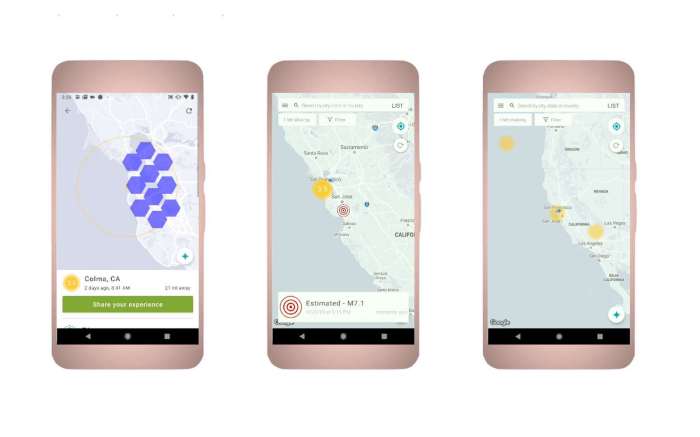
- Epicenter Location: The earthquake’s epicenter is shown on a map, providing geographic context.
- Estimated Ground Shaking Intensity: The predicted ground shaking intensity at the user’s location is displayed.
- Recommended Actions: The system provides clear, concise instructions on what actions to take, such as “Drop, Cover, and Hold On.”
- Time of Occurrence: The time of the earthquake’s occurrence is displayed.
Users can access detailed information by tapping on the alert notification. The app offers the following options:
- View Detailed Information: Displays a comprehensive summary of the earthquake, including its magnitude, location, depth, and the affected areas.
- View Map: Shows the earthquake’s epicenter and the estimated areas of ground shaking intensity on a map.
- Share Alert: Allows users to share the alert with others via social media or messaging apps.
- Report Feedback: Allows users to report any inaccuracies or issues with the alert.
Delving into the advantages and disadvantages of artificial intelligence in earthquake detection reveals its practical considerations

The application of Artificial Intelligence (AI) in earthquake detection represents a significant advancement in seismology, offering the potential for more rapid and accurate assessments of seismic activity. However, like any technological innovation, it presents both advantages and disadvantages that must be carefully considered. Understanding these trade-offs is crucial for the effective deployment and responsible utilization of AI-driven earthquake detection systems.
Advantages of AI in Earthquake Detection
AI offers several compelling advantages over traditional methods in earthquake detection. These benefits stem from its ability to process vast amounts of data and identify complex patterns that might be missed by human analysts or conventional algorithms.AI significantly improves the speed of earthquake detection. Traditional methods often rely on analyzing the arrival times of P-waves and S-waves, which can take several minutes or even longer.
AI algorithms, trained on massive datasets of seismic activity, can identify patterns indicative of an earthquake much faster, potentially providing early warnings seconds or even minutes before the ground shaking begins. For example, AI-powered systems have demonstrated the ability to detect earthquakes with detection times reduced by up to 50% compared to traditional methods in some studies.Accuracy is another area where AI excels.
By learning from historical earthquake data, AI models can be trained to distinguish between seismic events and other sources of ground motion, such as traffic, construction, or even volcanic activity. This reduces the number of false alarms and improves the reliability of the system. This improved accuracy leads to more trustworthy alerts, crucial for public safety.Furthermore, AI enables the detection of smaller seismic events that might go unnoticed by conventional methods.
This is because AI can identify subtle patterns in the data that are indicative of these smaller events. The ability to detect these events is important for understanding fault lines and monitoring seismic activity in a given area.
Disadvantages and Limitations of AI in Earthquake Detection
Despite its advantages, AI in earthquake detection also faces several limitations. These include the potential for bias, the need for extensive training data, and the high cost of implementation.One significant concern is the potential for bias in AI models. If the training data is not representative of the full range of possible earthquake scenarios, the model may perform poorly in certain regions or under specific conditions.
For example, if a model is primarily trained on data from a region with shallow earthquakes, it may be less accurate at detecting deep earthquakes. This underscores the importance of diverse and comprehensive training datasets.The development of effective AI models requires access to vast amounts of high-quality training data. This data includes seismic recordings from a variety of sources, including seismographs, accelerometers, and other sensors.
Collecting, cleaning, and labeling this data can be a time-consuming and expensive process.The implementation of AI-powered earthquake detection systems can be costly. This includes the cost of hardware, software, and personnel. The development and maintenance of these systems also require specialized expertise, which can further increase the cost.
Comparison of Advantages and Disadvantages
The following bulleted list summarizes the key advantages and disadvantages of using AI in earthquake detection:
- Advantages:
- Faster detection times, leading to earlier warnings.
- Improved accuracy, reducing false alarms.
- Ability to detect smaller seismic events.
- Disadvantages:
- Potential for bias in the model.
- Need for extensive and high-quality training data.
- High cost of implementation and maintenance.
Examining the challenges and limitations faced by artificial intelligence apps in earthquake detection illuminates their current constraints
Artificial intelligence (AI) applications for earthquake detection, while promising, are not without their limitations. These constraints stem from inherent data complexities, computational demands, and ethical considerations. Understanding these challenges is crucial for refining and improving the performance and reliability of these AI-driven systems. Addressing these limitations requires a multi-faceted approach involving advanced techniques and responsible implementation.
Data Scarcity and Quality
The performance of AI models is heavily reliant on the availability and quality of data. In the context of earthquake detection, this translates to significant challenges.Data scarcity is a major impediment. Earthquakes, especially significant ones, are relatively infrequent events. This leads to a limited amount of labeled data available for training AI models. Furthermore, the data that does exist can be of variable quality.
Seismic data may be corrupted by noise, affected by varying geological conditions, and recorded by instruments with different sensitivities. This data heterogeneity can significantly affect the accuracy and reliability of AI models. Addressing data scarcity requires innovative strategies such as data augmentation, which involves creating synthetic data to expand the training dataset.Data quality issues are tackled through rigorous data preprocessing techniques.
These include noise reduction, signal filtering, and data normalization. Implementing robust data validation and quality control procedures ensures the reliability of the training data. Transfer learning, where models pre-trained on related datasets are fine-tuned for earthquake detection, is also used to mitigate the effects of limited data. This allows the model to leverage knowledge gained from other domains.
Computational Requirements and Scalability
AI models, particularly deep learning models, demand significant computational resources for training and deployment. This poses challenges in terms of processing power, memory, and energy consumption. The real-time nature of earthquake detection necessitates rapid processing of seismic data, making computational efficiency paramount. Scaling up these systems to handle large datasets and a wider geographical area further increases computational demands.To address computational constraints, researchers are exploring various strategies.
Model compression techniques, such as pruning and quantization, reduce the size and complexity of AI models, thereby decreasing computational requirements. The use of specialized hardware, such as GPUs and TPUs, which are optimized for AI computations, can significantly accelerate model training and inference. Edge computing, which involves processing data closer to the source (e.g., seismic sensors), minimizes latency and reduces the load on central servers.
Furthermore, distributed computing frameworks allow the workload to be spread across multiple machines, improving scalability and enabling the handling of larger datasets.
Ethical Considerations
The application of AI in earthquake detection raises several ethical concerns.Data privacy is a key consideration. Seismic data, particularly when combined with location information, can potentially reveal sensitive information about individuals and infrastructure. Ensuring the privacy of this data requires robust security measures and adherence to data protection regulations. Algorithmic transparency is also crucial. The decision-making processes of AI models should be explainable and understandable.
This is especially important in critical applications such as earthquake detection, where false positives or false negatives can have significant consequences. Explainable AI (XAI) techniques are being developed to provide insights into how AI models arrive at their predictions.The potential for misuse is another ethical concern. AI models could be used for malicious purposes, such as creating disinformation or manipulating public perception.
To mitigate these risks, it is essential to establish ethical guidelines and regulations governing the development and deployment of AI in earthquake detection. This includes promoting responsible AI practices, fostering transparency, and implementing safeguards to prevent misuse.
Table: Challenges and Solutions
| Challenge | Description | Impact | Proposed Solution |
|---|---|---|---|
| Data Scarcity | Limited availability of labeled earthquake data for training AI models. | Reduced model accuracy and generalization ability. | Data augmentation, transfer learning, and leveraging related datasets. |
| Data Quality | Noise, heterogeneity, and varying recording conditions affecting seismic data. | Inaccurate predictions and unreliable results. | Rigorous data preprocessing, noise reduction, and data normalization. Implement robust data validation. |
| Computational Requirements | High processing power, memory, and energy consumption for training and deployment. | Slow response times and limited scalability. | Model compression, specialized hardware (GPUs, TPUs), edge computing, and distributed computing. |
| Data Privacy | Risk of revealing sensitive information from seismic data combined with location data. | Potential breaches of privacy and misuse of data. | Robust security measures, data anonymization, and adherence to data protection regulations. |
| Algorithmic Transparency | Lack of explainability in the decision-making processes of AI models. | Difficulty in understanding and trusting model predictions, especially in critical situations. | Employing Explainable AI (XAI) techniques to provide insights into model behavior. |
| Potential for Misuse | Risk of using AI models for malicious purposes, such as disinformation or manipulation. | Erosion of public trust and potential for harm. | Establishing ethical guidelines, promoting responsible AI practices, and implementing safeguards. |
Investigating the future prospects of artificial intelligence apps for earthquake detection showcases their potential for future development
The application of artificial intelligence (AI) in earthquake detection is a rapidly evolving field, promising significant advancements in our ability to mitigate the devastating effects of seismic events. The future holds exciting possibilities, including enhanced accuracy, quicker detection times, and even the ability to predict earthquakes, potentially saving countless lives and reducing property damage. This section delves into the anticipated developments in AI-powered earthquake detection, its integration with early warning systems, and a glimpse into the future of these applications.
Potential Advancements in AI for Earthquake Detection
AI algorithms are poised to revolutionize earthquake detection in several key areas.* Improved Accuracy: Future AI models will leverage increasingly sophisticated algorithms, such as deep learning and advanced neural networks, to analyze seismic data with greater precision. This includes the ability to differentiate between earthquake signals and noise more effectively. The training datasets will be expanded with high-quality, diverse data, improving the ability of AI to identify subtle seismic patterns indicative of impending earthquakes.
Faster Detection Times
Real-time data processing and analysis will be significantly accelerated. The integration of edge computing, where AI processing occurs closer to the data source (e.g., seismic sensors), will drastically reduce latency. This means alerts will be issued faster, providing more time for people to take protective actions.
Predictive Capabilities
Perhaps the most transformative advancement is the potential for earthquake prediction. AI models will be trained on vast historical datasets, incorporating data from various sources, including seismic activity, ground deformation, and even atmospheric changes. While predicting the exact time, location, and magnitude of an earthquake remains a complex challenge, AI can identify patterns and anomalies that suggest an increased likelihood of seismic events.
An example of this is the ongoing research into the use of machine learning to identify precursory signals. Studies have shown that subtle changes in the Earth’s magnetic field and ground deformation can sometimes precede an earthquake. AI algorithms, trained on large datasets of these signals, can learn to recognize these patterns and provide probabilistic forecasts. This is not about predicting the future with certainty but about assessing the risk.
“AI’s capacity to analyze complex data patterns is critical for advancing our ability to forecast earthquakes, improving the chances of early warnings.”
The Role of AI in Early Warning Systems
AI will play a pivotal role in the evolution of early warning systems.* Seamless Integration: AI-powered detection systems will be designed to seamlessly integrate with existing infrastructure, including seismic networks, communication systems, and public alert mechanisms. This integration will enable the rapid dissemination of warnings to a wide audience.
Enhanced Alert Systems
AI can be used to optimize alert delivery. By analyzing real-time data on population density, infrastructure, and potential hazards, AI can tailor alerts to specific regions and even individual buildings. This ensures that warnings are targeted and relevant.
Integration with Other Technologies
The integration of AI with other technologies, such as IoT sensors and satellite imagery, will enhance the effectiveness of early warning systems. AI can analyze data from these sources to identify potential hazards and provide more comprehensive alerts. For example, AI could analyze data from IoT sensors embedded in buildings to assess structural integrity and provide tailored evacuation instructions based on the predicted ground motion.
This integration could revolutionize how we prepare for and respond to earthquakes. This technological evolution will change the world by providing more time for people to protect themselves.
A Glimpse into the Future of AI-Powered Earthquake Detection Applications
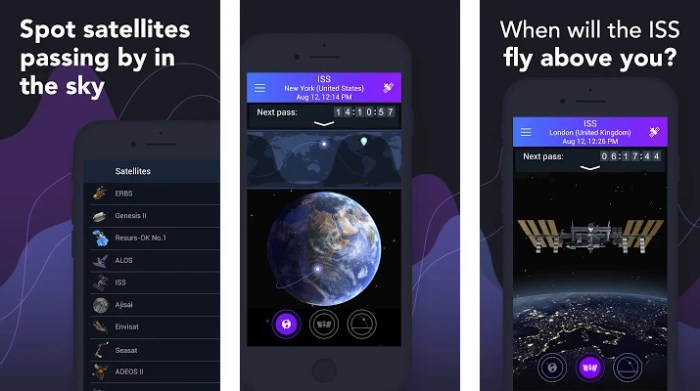
Imagine a future where earthquake detection applications are integrated into our daily lives. The user interface would be intuitive and accessible.* App Interface: The main screen of the app would display a real-time map of seismic activity, color-coded to indicate the intensity of detected events. Users would be able to customize their notification preferences, selecting the types of alerts they receive (e.g., immediate warnings, updates on seismic activity).
Advanced Features
The app would incorporate advanced features such as:
Personalized Safety Guidance
Based on the user’s location and building characteristics, the app would provide tailored safety instructions during an earthquake.
Community Communication
A built-in communication system would allow users to connect with their neighbors and share information about the situation.
Predictive Alerts
If AI detects an increased probability of an earthquake, the app would issue alerts, allowing users to prepare.
Illustration*
The app’s main screen displays a dynamic map of the world, highlighting areas of seismic activity in real-time. The interface is clean and user-friendly, with intuitive icons and color-coded alerts. A prominent “Safety Status” indicator displays the current risk level in the user’s area. Users can access personalized safety guides and communicate with their community through a dedicated chat function.
Exploring the real-world applications and case studies of artificial intelligence apps for earthquake detection highlights their impact
Artificial intelligence (AI) applications are increasingly deployed in real-world scenarios for earthquake detection, offering significant advantages in early warning systems and damage assessment. These applications leverage various AI techniques to analyze seismic data, identify patterns indicative of earthquakes, and provide timely alerts. The impact of these AI-driven systems extends to communities, emergency response teams, and infrastructure management, significantly enhancing preparedness and mitigation efforts.
Real-World Examples of AI Applications in Earthquake Detection
Several projects and initiatives demonstrate the practical application of AI in earthquake detection, with varying degrees of success and impact. These examples highlight the potential of AI to improve early warning capabilities and inform disaster response strategies.
- Quake Catcher Network (QCN): The QCN, a project spearheaded by Stanford University, utilizes a distributed network of sensors, including accelerometers in personal computers and smartphones, to detect seismic activity. AI algorithms are employed to analyze the data from these sensors, distinguishing between earthquake signals and noise. This network provides a valuable resource for earthquake monitoring, especially in regions with sparse seismic networks.
The project has contributed to real-time earthquake detection and improved understanding of seismic wave propagation.
- ShakeAlert System: ShakeAlert is an early warning system developed by the United States Geological Survey (USGS) and its partners. It uses AI and machine learning algorithms to analyze data from seismic sensors and estimate the location, magnitude, and time of arrival of an earthquake. The system delivers alerts to various users, including transportation authorities, businesses, and the public, providing crucial seconds of warning before ground shaking begins.
The ShakeAlert system has been deployed in several regions across the United States and has demonstrated its effectiveness in reducing potential damage and injuries.
- Artificial Intelligence for Earthquake Forecasting and Analysis (AIEFA): AIEFA projects, often found within academic research and government initiatives, employ sophisticated AI models, including deep learning, to analyze historical earthquake data, fault line characteristics, and geological conditions. These models aim to improve earthquake forecasting capabilities, predict aftershock probabilities, and assess seismic hazards. The insights gained from AIEFA projects can inform urban planning, infrastructure design, and risk management strategies.
Impact on Communities and Emergency Response
The integration of AI in earthquake detection has a profound impact on communities and emergency response efforts. The ability to provide early warnings, assess damage, and optimize resource allocation is crucial in mitigating the effects of earthquakes.
- Early Warning Systems: AI-powered early warning systems provide critical seconds or minutes of warning before an earthquake’s arrival. This allows people to take protective actions, such as dropping, covering, and holding on, and enables automated systems to shut down gas lines, elevators, and other potentially dangerous infrastructure.
- Damage Assessment: AI algorithms can analyze post-earthquake data, including satellite imagery, social media posts, and sensor data, to rapidly assess the extent of damage and identify areas requiring immediate assistance. This information helps emergency responders prioritize their efforts and allocate resources effectively.
- Risk Mitigation: AI models can be used to identify areas at high risk of earthquakes, assess the vulnerability of buildings and infrastructure, and develop strategies for risk mitigation. This can involve retrofitting buildings, improving building codes, and implementing early warning systems.
Case Study: ShakeAlert in California
- Location: California, United States
- AI Application: The ShakeAlert system, a collaborative effort led by the USGS, uses a network of seismic sensors and AI algorithms to detect and analyze seismic waves.
- Results: The system provides real-time alerts to various users, including businesses, schools, and transportation agencies, with warning times ranging from seconds to minutes. Studies have shown that ShakeAlert can provide an average of 10-20 seconds of warning before strong shaking.
- Impact: During the 2019 Ridgecrest earthquake sequence, ShakeAlert successfully issued warnings, allowing for the automatic shutdown of BART trains in the San Francisco Bay Area and alerting emergency responders. The system’s effectiveness has been demonstrated in multiple events, providing crucial time for protective actions and reducing potential injuries and damage.
Conclusive Thoughts
In conclusion, the application of artificial intelligence to earthquake detection marks a significant advancement in our ability to mitigate the risks associated with seismic activity. From advanced data analysis and early warning systems to improved accuracy and faster detection times, AI offers unparalleled capabilities. While challenges such as data scarcity and ethical considerations remain, the ongoing development and refinement of these applications hold immense promise for the future.
By embracing these innovative technologies, we can move closer to a world where the impact of earthquakes is minimized, and communities are better prepared to face these natural disasters.
Frequently Asked Questions
How does an AI app differ from traditional earthquake detection methods?
Traditional methods primarily rely on seismic networks and human analysis, which can be slower and less accurate. AI apps employ advanced algorithms to analyze vast datasets in real-time, detecting subtle patterns and anomalies that might be missed by conventional approaches, enabling faster and more precise detection.
What types of data are used by AI earthquake detection apps?
AI apps utilize diverse data sources, including seismic data from seismometers, accelerometer readings, GPS data, and even data from environmental sensors. They may also incorporate historical earthquake data, geological maps, and information from social media to refine their analysis.
How accurate are AI-powered earthquake detection apps?
The accuracy of AI apps is constantly improving through ongoing training and refinement. While no system is perfect, AI-powered applications have demonstrated the ability to detect earthquakes with a high degree of precision, often outperforming traditional methods in terms of speed and accuracy.
What are the main benefits of using AI in earthquake detection?
Key benefits include faster detection times, improved accuracy, the ability to detect smaller events, and the potential for early warning systems. This technology can also provide more detailed information about earthquake characteristics, enabling more effective emergency response.
What happens after an AI app detects an earthquake?
After detection, the app typically generates alerts and notifications. These alerts can be sent to various stakeholders, including emergency services, government agencies, and the general public. The app may also provide detailed information about the earthquake, such as its location, magnitude, and estimated impact.